Manitoba Equipment Checks by Officers
It's a beautiful day for a ride across Manitoba's stunning landscapes, whether you're tackling a bush trail or navigating a rural ditch. But then, you see those flashing lights, and your heart might do a little skip. Will your quad or side-by-side pass muster? This guide is designed to clarify exactly what equipment checks officers conduct on ATVs and UTVs across Manitoba, helping you understand the rules so you can ride with confidence, knowing you're prepared for any interaction.
The Why Behind the Stop: Understanding Equipment Checks
Nobody likes getting pulled over, especially when you're just trying to enjoy your time outdoors. It can feel intrusive, inconvenient, and sometimes, a little confusing. However, law enforcement officers aren't just out to spoil your fun; their primary goal with equipment checks on off-road vehicles (ORVs) is to ensure public safety and responsible operation. It's about protecting you, other riders, and the environment we all share.
Officer Authority and Public Safety
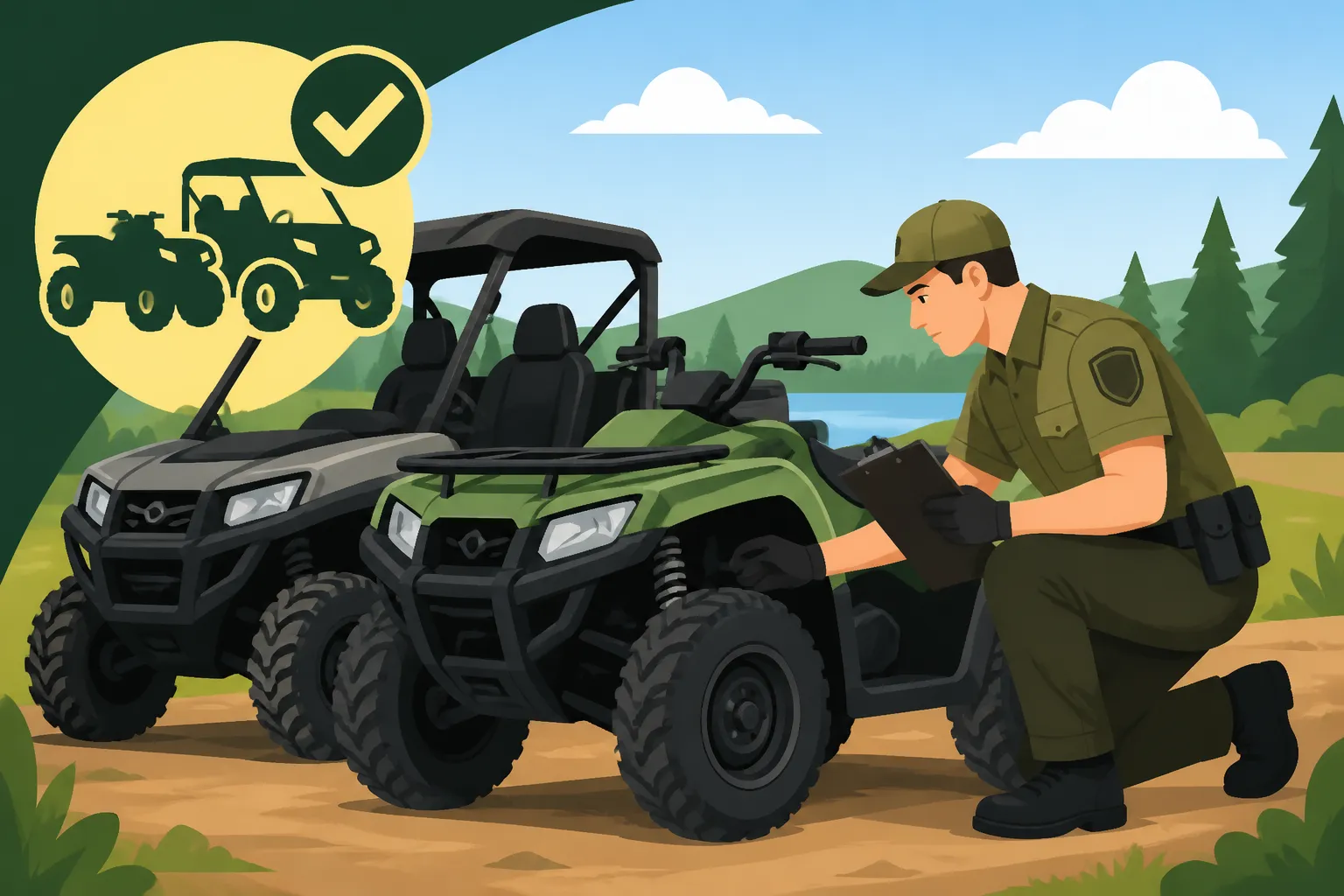
In Manitoba, officers, including RCMP, local police, and Conservation Officers, are empowered by the Off-Road Vehicles Act to stop and inspect ORVs. This authority isn't arbitrary; it's rooted in provincial legislation designed to minimize accidents, prevent environmental damage, and enforce adherence to safety standards. Think of it less as a personal affront and more as a routine check-up for your machine. They’re ensuring that your vehicle meets basic requirements that contribute to everyone’s safety, similar to how a car might be checked for proper lighting or tire tread on a regular road. The goal is to make sure your machine isn't a hazard, whether it's due to faulty brakes or missing safety gear. This proactive approach helps to keep trails and rural areas safer for everyone.
Common Scenarios for an Equipment Check
An equipment check isn't always triggered by a visible infraction. Sometimes, it's a random stop, part of a larger enforcement initiative in a particular riding area, or even a response to recent incidents in the region. You might be asked to pull over if an officer observes something that appears out of place, such as excessively loud exhaust, a lack of visible registration, or if your machine simply looks to be in disrepair. It could also happen if you're riding in an area known for issues, or if there's a safety blitz targeting ORV operators. While it can be a bit startling, these checks are often about education as much as enforcement. Officers want to ensure riders are aware of the rules, not just hand out tickets. Being prepared for [What an Officer Can Ask to See in Manitoba] is always a good idea.
Essential Equipment Officers Look For on Your Machine
When an officer pulls you over, they're typically going through a mental checklist, looking for specific items and conditions on your ATV or UTV. These aren't obscure rules; they're generally about the fundamental safety and identification features of your machine. Knowing what these are ahead of time can save you a lot of hassle and ensure your ride complies with provincial standards.
Registration and Identification
This is often the first thing an officer will check. Your machine needs to be properly registered with Manitoba Public Insurance (MPI), and you must display your registration plate. Manitoba issues only one plate per machine, not two, so ensure it's securely attached and clearly visible. The placement depends on your machine type: [Manitoba Plate Mounting by Machine Type] specifies where it should go. For most quads and side-by-sides, this means on the rear. Crucially, you must always carry your registration card with you when operating your ORV. [Carrying Your Registration Card on Every Ride] is not just a good idea, it's a requirement. This card serves as proof of ownership and registration, and officers will want to see it. If you've just bought a machine, there are specific rules for temporary operation, but generally, get it registered as soon as possible.
Lighting and Visibility
Riding at certain times or in specific conditions requires adequate lighting. Your ATV or UTV must be equipped with working headlights and tail lights if you plan to operate it a half-hour before sunset or a half-hour after sunrise, or at any time when visibility is reduced to less than 60 metres. Officers will check that these lights are functional, clear, and visible. This isn't just about legality; it's crucial for your safety and the safety of others, especially when crossing roads or operating in areas with mixed traffic. [Manitoba Lighting Requirements on a Machine] are there to ensure you can see where you're going and, more importantly, that others can see you.
Braking Systems
Functional brakes are non-negotiable for any vehicle, and ORVs are no exception. Officers will verify that your ATV or UTV has a braking system in good working order, capable of stopping the machine safely. This typically means checking both front and rear brakes (if equipped). They're looking for signs of excessive wear, damage, or malfunction that could compromise your ability to control the machine. A faulty brake system isn't just a ticket waiting to happen; it's a serious safety hazard that puts you and others at significant risk, especially on challenging terrain or when encountering unexpected obstacles.
Exhaust and Spark Arrestors
Noise pollution and fire hazards are two major concerns when it comes to ORV operation. Officers will often check your exhaust system. If your machine is excessively loud, it could lead to a ticket. Most importantly, your ATV or UTV must have a functioning spark arrestor. This device prevents hot sparks from escaping the exhaust and potentially igniting dry vegetation, which is a massive concern in Manitoba's forests and grasslands, especially during dry seasons. [Manitoba Spark Arrester Requirements] are in place year-round, not just during fire bans, and officers take them seriously. Even if you've installed an aftermarket exhaust for better performance or sound, you must ensure it includes a compliant spark arrestor. Many riders turn to trusted brands like SuperATV for aftermarket accessories, but always double-check that any new components meet local regulations.
Helmets and Rider Safety Gear
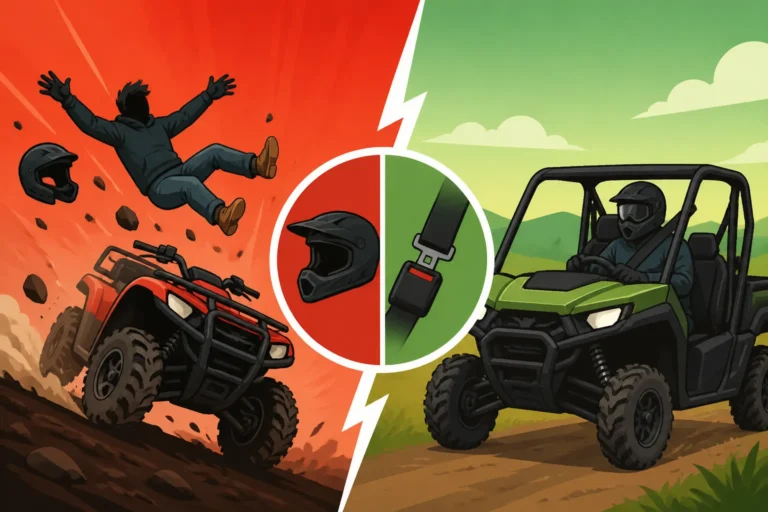
Manitoba has strict helmet laws for ORV operators and passengers. An officer will absolutely confirm that you and any passengers are wearing an approved helmet that meets specific safety standards (like DOT or Snell). [Manitoba Helmet Law and Its Exemptions] outlines these requirements in detail. They'll also be looking for proper fit and condition of the helmet. Riding without a helmet, or with one that's damaged or not up to standard, is a quick way to earn a citation and, more critically, put yourself at extreme risk of serious injury. While a helmet might feel cumbersome on a hot day, it's your most vital piece of safety equipment.
Tires and Suspension
While not always a primary focus like registration or helmets, officers can also inspect the condition of your tires and suspension. They're looking for tires with adequate tread depth, no visible damage like cuts or bulges, and that they are appropriate for the machine. Seriously worn-down tires can compromise traction and control, making your machine unsafe, especially on varied terrain. Similarly, significant issues with your suspension system – like broken springs or shocks – could indicate a vehicle that's not safe to operate. If you've modified your machine with a lift kit or new wheels, perhaps from a reputable provider like SuperATV, an officer might ensure that these modifications haven't compromised the overall safety and stability of the vehicle.
Manufacturer-Specific Items
Many modern ATVs and UTVs come equipped with specific safety features from the manufacturer, and officers expect these to be present and functional. For UTVs, this often includes seat belts. [Manitoba Seat Belt Rules] stipulate that if your UTV was designed with seat belts, you must wear them. Passenger limits are another area of focus; [Manitoba Passenger Limits by Design] are crucial to adhere to, meaning you can only carry as many passengers as your machine was designed for, and each must have their own seat and seatbelt (if applicable). Some machines also come with mirrors, and while not universally required, if your machine has them, they should be intact and usable.
The Consequences of Failing an Equipment Check
Let's be realistic: nobody wants a ticket. The immediate sting of a fine is bad enough, but the repercussions of failing an equipment check can extend beyond a simple monetary penalty. Understanding these potential consequences can be a powerful motivator to ensure your machine is always in top shape and compliant with Manitoba's ORV regulations.
Warnings vs. Tickets
Sometimes, if an infraction is minor, or if an officer believes you genuinely weren't aware of a specific rule, you might get off with a warning. This is more likely for less severe issues, like a slightly worn tire that's still safe, or perhaps a missing spark arrestor if it's your first offense and you commit to fixing it immediately. However, for more serious violations—like operating an unregistered machine, riding without a helmet, or having non-functional brakes—a ticket is almost certainly coming your way. [Manitoba Ticket Costs for Riders] can vary widely depending on the severity of the offense, but they are never cheap. It's often at the officer's discretion, but don't count on leniency for blatant disregard of safety rules.
Orders to Repair or Cease Operation
Beyond a simple ticket, an officer has the authority to issue an order to repair your machine or, in more severe cases, to cease operation entirely. If your ORV is deemed unsafe, for instance, due to critically bad brakes or a major mechanical failure, the officer can mandate that you get it fixed before you ride again. In extreme situations, they might even order you to trailer your machine home or have it towed, preventing you from operating it further until the necessary repairs are made. This can be a huge disruption to your day and can incur additional costs for towing or transport, which no rider wants to face.
Broader Legal Implications
Failing an equipment check can have implications that stretch beyond the immediate interaction with an officer. Repeated offenses or very serious violations could lead to more significant legal issues, including court appearances and higher fines. Furthermore, operating an non-compliant or unsafe machine can affect your insurance. While [Manitoba Insurance Included With Registration] provides basic liability, if you're involved in an accident and your machine was found to be non-compliant or unsafe due to neglected maintenance or illegal modifications, your insurer might dispute your claim or refuse coverage for damages or injuries. This can leave you personally responsible for substantial costs, including medical bills and property damage, which is a financial nightmare no one wants.
Proactive Maintenance and Best Practices for Riders
Avoiding the stress and expense of an equipment check failure is easier than you might think. It boils down to a combination of regular maintenance, knowing the rules, and preparing your machine properly for every ride. Think of it as investing a little time upfront to save a lot of headaches down the trail.
Pre-Ride Checks
Before every ride, especially if you haven't been out in a while, get into the habit of performing a quick pre-ride inspection. It doesn't take long and can spot potential issues before they become problems on the trail or attract an officer's attention. Check your tire pressure and condition, test both front and rear brakes, ensure all lights (headlights, tail lights) are working, verify your spark arrestor is clean and intact, and confirm your registration plate is secure. Make sure you have your registration card with you. This quick routine can catch a loose bolt, a burnt-out bulb, or a soft tire, any of which could otherwise lead to a stop or a safety issue.
Regular Maintenance Schedule
Beyond the quick pre-ride check, your ATV or UTV needs regular, more in-depth maintenance. Follow the manufacturer's recommended service intervals for oil changes, filter replacements, fluid checks, and general component inspections. If you’re not mechanically inclined, take your machine to a reputable dealership or mechanic. They can spot wear and tear on crucial components like suspension bushings, drive belts, and brake pads that you might miss. Keeping up with this maintenance not only ensures compliance during equipment checks but also extends the life of your machine and makes your rides safer and more enjoyable. Aftermarket parts from companies like SuperATV can enhance performance, but they still require regular inspection and maintenance.
Knowing the Rules
Manitoba's ORV regulations can change, and different riding areas might have specific rules or by-laws. It's your responsibility as a rider to stay informed. Regularly review the provincial Off-Road Vehicles Act and check for any updates. Understand where you can and cannot ride, especially concerning ditches and roadways. [Manitoba ORV Road Rules Explained] covers crucial information on where your machine is permitted. Being knowledgeable about the rules shows an officer you're a responsible rider, which can sometimes work in your favour during an interaction. Ignorance of the law is rarely an acceptable excuse.
Aftermarket Parts and Compliance
Aftermarket parts are incredibly popular for customizing and enhancing ATVs and UTVs, and for good reason. They can offer improved performance, durability, and aesthetics. However, when installing upgrades, it's crucial to ensure they comply with provincial regulations. For example, a new exhaust system must still incorporate a spark arrestor. Lift kits or larger tires, while making your machine look tougher, shouldn't compromise its stability or safety. Always buy from reputable manufacturers like SuperATV, and if in doubt, check with your dealer or even local enforcement about the legality of certain modifications. The goal is to enhance your ride, not turn it into a target for an equipment check.
| Equipment Item | What Officers Look For | Common Issues |
|---|---|---|
| Registration Plate | Properly displayed, legible, secured. | Missing, obscured by mud, improperly mounted. |
| Registration Card | Carried on the rider at all times. | Left at home, expired, not matching machine. |
| Headlights | Functional (high/low beam), proper illumination. | Burnt out, dirty, misaligned. |
| Tail Lights | Functional, visible from rear. | Burnt out, broken lens, obscured. |
| Brakes | Functional front and rear, adequate stopping power. | Spongy feel, worn pads, unresponsive. |
| Spark Arrestor | Present, intact, functioning to prevent sparks. | Missing, damaged, clogged. |
| Helmet | Approved standard (DOT/Snell), proper fit, good condition. | Not worn, unapproved, damaged, ill-fitting. |
| Tires | Adequate tread depth, no visible damage. | Bald spots, cuts, punctures, wrong size. |
| Exhaust System | Not excessively loud, no modifications violating noise limits. | Aftermarket without proper baffles, excessive noise. |
| Seatbelts (UTV) | Present, functional, worn by all occupants. | Damaged, not buckled, missing. |
| Passenger Limits | Adherence to manufacturer's design capacity. | Overloaded, passengers standing. |
Disclaimer
This article is for general informational purposes only and does not constitute professional advice. Laws, prices and regulations vary by location and change over time. Consult a qualified professional for guidance on your specific situation.