Skid Plates for Shield Rock
Rock can turn an enjoyable Manitoba ride into a repair job when it catches an exposed engine case, frame rail or differential. A skid plate helps shield vulnerable parts, but the right setup depends on your ATV or UTV, the ground you expect to ride and how you maintain the machine afterward. This guide explains what to protect and how to prepare for rocky terrain around Shield Rock.
Why skid plates matter on rocky Manitoba rides
What a skid plate protects
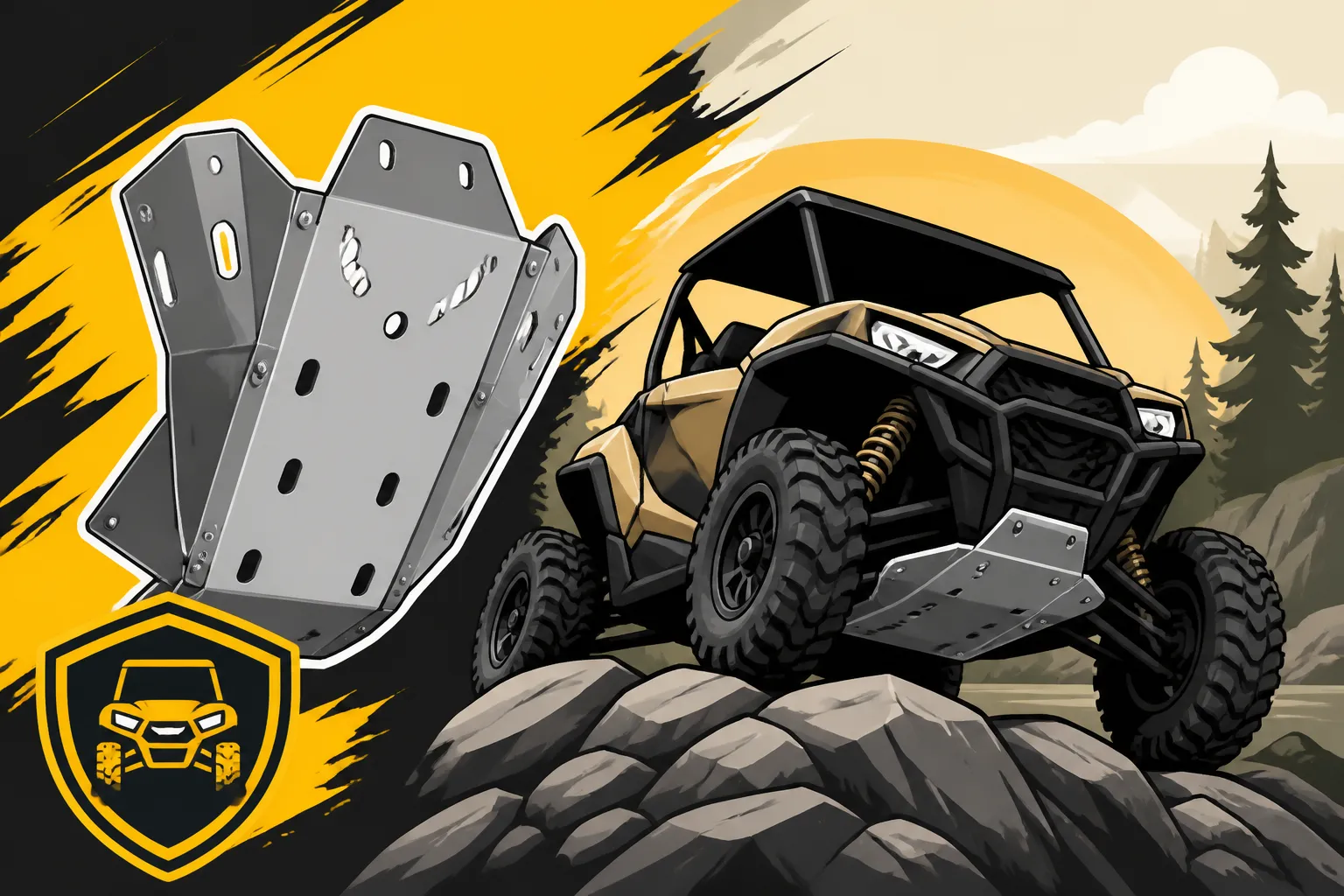
A skid plate is a protective panel fitted beneath an ATV or UTV. Depending on its design, it can cover parts of the undercarriage that may be exposed to rocks, roots, stumps and other trail obstacles. Common protected areas include the engine, transmission, frame, front end and rear differential. Coverage varies, so a plate described as a full skid may still leave gaps around vulnerable components.
On rocky ground, the risk is not limited to a dramatic collision. A machine can settle onto a rock while climbing, bottom out in a rut or slide sideways across uneven ground. A sharp edge may strike a component directly, while repeated scrapes can wear through a thinner guard. Even if a trail looks manageable from the seat, the machine’s low points can meet obstacles the tires have already climbed over.
Think about a rider easing over a rock ledge at low speed. The front wheels clear, but the centre of the machine drags across the high point. Without suitable protection, the underside may take the contact. A skid plate is not a promise that nothing can break, but it adds a sacrificial layer between the terrain and some expensive or hard-to-reach parts.
Rocks are only one part of the problem
A plate built for rocky terrain also has to cope with the rest of a Manitoba ride. Mud, wet leaves, sand, branches and water can collect or be pushed beneath a machine. A design that resists impacts but traps debris may make cleaning and inspection frustrating. Openings, seams and attachment points matter because packed material can hide damage or make routine maintenance harder.
Trail conditions can change within one outing. A rocky stretch may lead into soft ground, a muddy low spot or a narrow bush trail. Before hauling to a destination, check current access and route information, and consider how difficult the terrain may be for your machine and experience level. Manitoba Trail Conditions Before You Haul and Manitoba Trail Difficulty Ratings are useful starting points for thinking through that preparation.
It also helps to look beyond the rock itself. A route with tight turns and brush may put more pressure on the sides of an underbody guard, while a steep, uneven section can increase the chance of bottoming out. The goal is not to make a machine invulnerable. It is to reduce avoidable damage while riding within your ability and the machine’s limits.
Choosing skid plates for an ATV or UTV
Compare coverage, material and fit
Start with the exact make, model, year and configuration of your machine. A guard that fits one trim or model year may not fit another, even if the machines look almost identical. Check which areas are protected, whether the kit includes front and rear sections, and whether it leaves any vulnerable components exposed. If the machine has aftermarket accessories, confirm that they will not interfere with installation.
Skid plates are commonly made from materials such as plastic, composite or metal. Each option involves trade-offs in weight, noise, impact behaviour, flexibility and maintenance. The right choice depends on your riding style and priorities rather than a single material being best for everyone. A rider who frequently encounters sharp rocks may value robust protection, while someone who prioritizes lighter weight or quieter contact may weigh those factors differently.
| What to compare | Why it matters | What to check before buying |
|---|---|---|
| Machine fit | Poor fit can leave gaps or interfere with components | Exact model, year and trim |
| Coverage | A centre plate may not protect the front or rear undercarriage | Which sections the kit includes |
| Material | Weight, sound, flexibility and impact response vary | Manufacturer specifications and maintenance guidance |
| Access | Routine service should not become unnecessarily difficult | Drain, inspection and service access points |
| Mounting hardware | Loose or unsuitable fasteners can compromise fit | Included hardware and installation instructions |
| Debris management | Mud and grit can collect behind a plate | Openings, seams and cleaning access |
Do not choose a plate based only on thickness or appearance. A very heavy setup can affect handling or ground clearance, and a plate that looks sturdy may not fit your machine properly. Read the manufacturer’s fitment information and installation instructions, and ask a qualified dealer or mechanic about compatibility if anything is unclear.
Consider the whole undercarriage
A single centre plate may not protect all the areas you want covered. Depending on the machine and the terrain, you may also need to consider front and rear protection, A-arm guards, rock sliders or guards for other exposed parts. These add-ons can improve coverage, but they also add weight, mounting points and potential places for mud to gather.
ATVs and UTVs can have different protection needs. A UTV’s wider stance and body layout may put different components in harm’s way than those on a quad. Consider where your machine’s vulnerable parts sit and how its wheels and frame move over obstacles. For a side-by-side, also check how guards interact with existing equipment and access points rather than assuming an ATV kit will transfer.
Protection should be balanced with ground clearance and serviceability. If the underside sits lower after installation, or a guard catches on terrain more often, it may create a new problem. A sensible setup protects likely impact areas without making routine checks, drainage or maintenance unnecessarily difficult.
Preparing for Shield Rock and other rocky terrain
Scout the route and ride with a plan
Before you unload, find out what you can about the intended route: surface, recent conditions, access rules, closures and whether it is appropriate for your machine. Local knowledge can be especially helpful when a route includes unfamiliar terrain. A mapping tool such as onX Offroad can help with route planning and situational awareness, but it should not replace current official access information, posted signs or advice from the people responsible for the riding area.
Use a map as one part of preparation, not as a guarantee that every mapped line is open or suitable. Check for private land, restricted areas and local requirements before riding. Manitoba Crown Land Riding Explained can help you understand why land status and permission matter, while Manitoba ATV Trail Map Downloads offers another route-planning resource to consider alongside local information. If a route’s conditions or access are unclear, confirm them before making the drive.
Plan for the possibility that the route takes longer than expected. Tell someone where you are going, ride with a group when appropriate and carry the basic supplies needed for your outing. For remote riding, a phone may not have reliable service everywhere, so do not rely on a digital map alone. Keep your navigation plan usable if the phone battery runs low or reception disappears.
Adjust your riding technique to the ground
Skid plates are backup protection, not a reason to charge over obstacles. Approach rocks slowly enough to assess the line, keep control of the machine and avoid placing the undercarriage directly onto sharp edges when there is a safer route. On a group ride, leave enough space to choose your own path rather than following another machine too closely.
Use the machine’s intended riding position and controls, and avoid sudden throttle or steering inputs on uneven ground. If you are unsure whether a rock is passable, stop in a safe place and assess it rather than committing at speed. Riders should also be considerate of others and avoid widening trails by bypassing difficult sections. Manitoba Trail Etiquette Locals Expect covers the shared-trail habits that help keep routes enjoyable and usable.
A winch can be helpful when a machine becomes stuck, but it is not a substitute for choosing a sensible line or knowing how to use recovery equipment safely. If you carry one, understand its limits and inspect the associated equipment before leaving. Winches for a Stuck Manitoba Machine can help you think through recovery preparation.
Installing, checking and maintaining skid plates
Inspect before the first ride
Read the installation instructions for your specific kit and machine. Clean the mounting surfaces, identify the correct fasteners and check that the plate does not press against moving parts, block required access or interfere with existing accessories. If installation calls for drilling, modification or work you are not comfortable doing, have a qualified mechanic handle it.
After installation, check that every attachment point is secure and that the plate sits as intended. Recheck it after the first ride, especially if you have crossed rough ground. Fasteners can loosen, plates can shift and impact marks can reveal where the machine is making contact. Follow the manufacturer’s guidance for fastener checks rather than guessing at tightening requirements.
Before setting out, make a quick visual inspection. Look for loose hardware, cracks, bent edges and debris caught behind the guard. If a plate has taken a hard strike, inspect the components beneath it as well. Protection can conceal damage, so do not assume the machine is fine simply because the guard is still attached.
Clean and maintain after a muddy ride
Mud and grit can accumulate around mounting points and against the underside of a guard. After a ride, remove packed material and inspect the plate, fasteners and nearby components. Pay attention to places where debris can stay hidden, particularly after crossing wet or muddy ground. A clean undercarriage makes damage easier to spot before the next outing.
Cleaning methods should suit the plate material and the machine. Avoid damaging seals, electrical connections or other components with excessive pressure, and follow the vehicle and accessory makers’ care instructions. If the guard is removable, take it off when needed for a thorough inspection or service, then reinstall it correctly. Washing Mud Off a Manitoba Machine provides related cleaning guidance.
Also consider the rest of your setup. Tires suited to the conditions, appropriate protective equipment and a clear understanding of the route all contribute to a safer ride. If you expect soft or wet ground as well as rocks, compare tire options and terrain needs before assuming underbody protection alone will solve the problem. Tires for Manitoba Muskeg is a useful related read when your plans include challenging ground beyond rock.
A skid plate is most useful when it fits the machine, covers the areas most likely to take an impact and is checked regularly. Pair it with careful route planning, patient riding and sensible maintenance, and it can help reduce the wear and damage that make a Manitoba outing end early.
Disclaimer
This article is for general informational purposes only and does not constitute professional advice. Laws, prices and regulations vary by location and change over time. Consult a qualified professional for guidance on your specific situation.