Consent From a Crown Lease Holder
It can be incredibly frustrating to look at a beautiful stretch of land on a map, see that it's "Crown Land," and assume you're free to explore, only to find out there's a tangled web of rules, leases, and permissions to navigate. One of the biggest head-scratchers for many ATV and UTV riders in Manitoba is figuring out what it means when Crown Land is under a lease, and more importantly, how to get permission to ride it. This guide will walk you through understanding Crown lease holders, why their consent is so crucial, and how you can approach them respectfully to gain access.
Unpacking Crown Land and Its Lease Holders
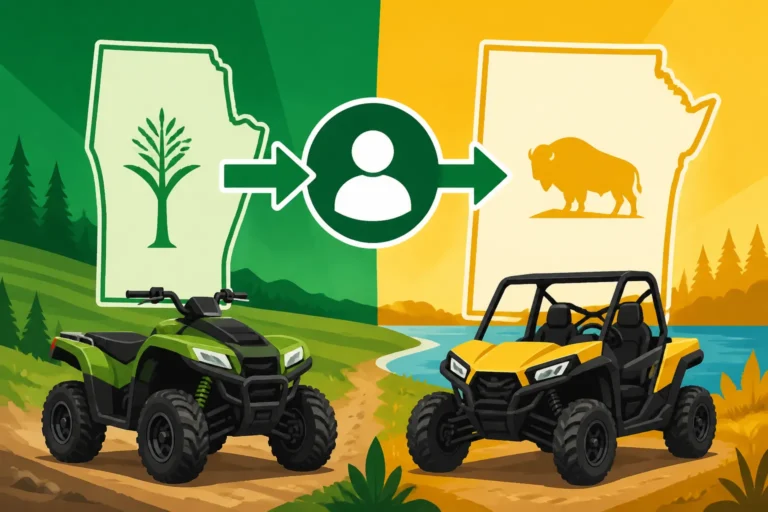
First, let's clear up some common misconceptions about Crown Land itself. While the term "Crown Land" often conjures images of wide-open, unmanaged wilderness, that's not always the reality in Manitoba. Our province has a vast amount of Crown Land, yes, but much of it is managed for various purposes, including agriculture, forestry, mining, and even tourism. When you encounter Crown Land that's under a lease, it means that while the land still belongs to the Crown (the province), an individual or a business has been granted specific rights to use that land for a particular purpose for a set period.
What is Crown Land, Really?
Think of Crown Land as publicly owned land, managed by the provincial government on behalf of all Manitobans. It includes forests, prairies, wetlands, lakes, and rivers. The idea is to manage these resources for sustainability, economic benefit, and public recreation. However, "managed" doesn't always mean "open for all activities, all the time." The province grants leases and permits to various parties, essentially giving them temporary, exclusive rights to use specific parcels of Crown Land. These leases are often put in place to support industries like farming or trapping, or to allow for commercial operations. This is where the complexity comes in for riders; a piece of land might appear to be unencumbered Crown Land, but it could actually be a working farm or a trapline with active operations.
Who are Crown Lease Holders and Why Do They Have Rights?
Crown lease holders are individuals or companies who have entered into an agreement with the provincial government to use a designated area of Crown Land for a specific purpose. This could be a rancher grazing cattle, a farmer growing crops, a trapper managing their trapline, an outfitter guiding hunting trips, or a logging company harvesting timber.
These lease holders invest time, money, and effort into their operations on that leased land. For example, a rancher might have fences, watering holes, and critically, their livestock on the property. A trapper relies on the solitude and undisturbed nature of their trapline for their livelihood. An outfitter might have camps or blinds set up that are essential to their business. Their lease grants them certain rights, including the right to control access to their leased area to protect their operations, property, and personal safety. It's not about them owning the land outright, but about them having legal and economic interests tied to that land that need to be respected. They're essentially custodians of that land for the duration of their lease, with responsibilities and liabilities that come with that role.
Why Their Consent Matters So Much
Riding on Crown Land that is leased without the lease holder's explicit consent is not only disrespectful but can also have serious legal and practical repercussions. First and foremost, it often constitutes trespass. Just like riding on private land without permission, ignoring a Crown lease can lead to legal penalties. [Manitoba Trespass Law for Riders] applies here, and it's something no rider wants to encounter.
Beyond the legal aspect, there are significant practical reasons why consent is paramount. Imagine riding through a field where a farmer has young crops, or startling a herd of cattle with your machine. The potential for property damage, injury to livestock, or disruption to a commercial operation is very real. Fires are another concern; if you're riding through dry grass on a ranch, a spark from your exhaust could ignite a wildfire, devastating years of work for the lease holder. [Manitoba Wildfire Season Rules for Riders] are stringent for a reason, and a lease holder has a right to protect their interests from such risks.
Furthermore, these areas might not be maintained for recreational riding. You could encounter hidden obstacles, dangerous terrain features, or active work sites that pose a risk to your safety. When you ride without permission, you're not just risking a ticket; you're potentially putting yourself, the lease holder's operations, and your reputation as a responsible rider at risk. It’s always best to seek [Manitoba Crown Lease Access Rules] before you venture out.
Navigating the Process of Seeking Permission
The idea of contacting a Crown lease holder can feel daunting. You might not know who they are, how to find them, or what to say. It's true, it requires a bit of detective work and a courteous approach, but it's absolutely worth the effort for peace of mind and access to new riding areas. Being prepared and respectful throughout the process significantly increases your chances of getting a "yes."
Identifying the Right Lease Holder
This is often the trickiest part, as there isn't always a giant sign announcing who leases a particular parcel of Crown Land. Your best starting point is often the provincial government department responsible for Crown Land management. In Manitoba, this usually falls under Manitoba Agriculture and Resource Development. You might need to contact their regional offices, as land management is often handled at a local level.
When you call, be prepared with specific information about the area you're interested in – GPS coordinates, a legal land description if you have it, or even clear landmarks from a map. Explain that you're an ORV rider seeking permission to cross or ride on a specific piece of Crown Land and that you believe it might be under lease. They might be able to provide you with the lease holder's name and contact information, or at least point you in the right direction. It can take a few calls to the right people, so be patient and persistent. Remember, they're not there to prevent you from riding, but to ensure land is managed responsibly. Knowing [Which Office Answers Crown Land Access Questions] can save you a lot of time and frustration.
Crafting Your Request
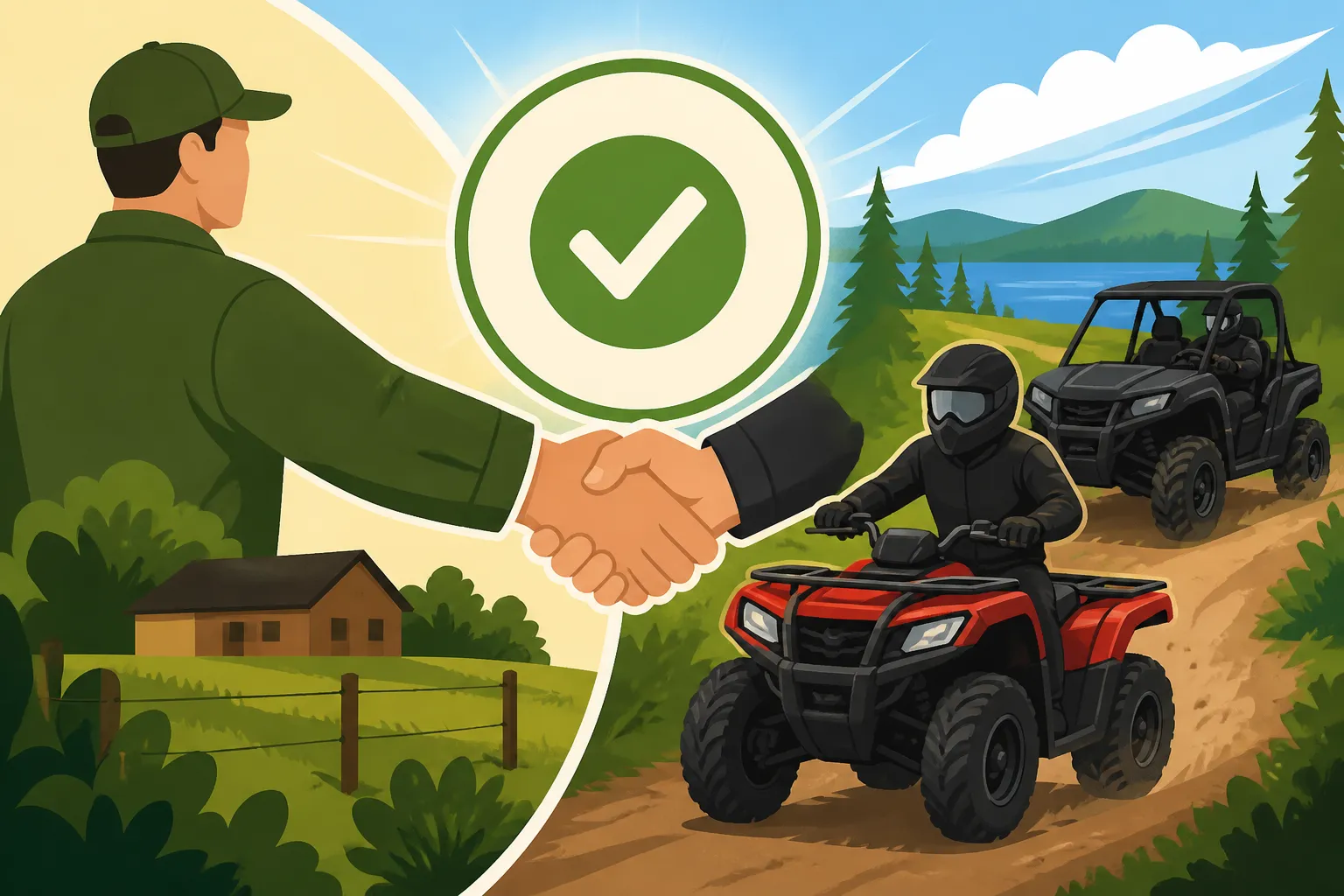
Once you've identified the lease holder, whether it's a rancher, a farmer, or a commercial operator, approaching them with a well-thought-out request is key. A phone call is usually best, but a polite email or even a letter can work if you can't reach them directly.
Here’s what to include in your request:
- Introduce yourself: Be clear about who you are and why you're calling.
- State your purpose: Explain that you're an ORV rider (ATV, UTV, etc.) seeking permission to access or cross their leased Crown Land.
- Be specific about your route: Don't just ask for "access." Describe the approximate route you'd like to take, for example, "We're looking to ride along the old fire break that runs north-south on the west side of your leased pasture."
- Provide dates and times: Give them a general idea of when you'd like to ride and for how long. "We're hoping for a single-day ride sometime next weekend, weather permitting, or another day that works best for you."
- Mention group size and machine type: "It would be myself and one other rider, both on side-by-sides."
- Emphasize respect and responsibility: Crucially, let them know you understand their concerns. "We're committed to riding responsibly, staying on marked trails, closing all gates, and leaving no trace. We understand you might have livestock or crops, and we'll take every precaution." You might even mention your machine is well-maintained and quiet, or equipped with necessary protective gear like heavy-duty skid plates from SuperATV.
- Offer flexibility: Be open to their conditions. They might have specific days or routes that work better for them.
Being polite, clear, and demonstrating that you've thought about their operations will go a long way.
What to Expect After You Ask
The lease holder's response can vary. They might say yes immediately, offer a conditional yes, or outright refuse.
- A "Yes": If they agree, fantastic! Make sure to clarify any specific instructions or conditions they have. This might include:
- Specific routes to follow or avoid.
- Times of day when riding is permitted or not.
- Areas where livestock or crops are present that must be avoided.
- Instructions about gates (e.g., "leave gates as you found them" or "ensure all gates are closed").
- Requests to call them before you go or after you're done.
- A preference for you to stick to existing trails. You'll want to ensure your machine is up to the task, perhaps checking out some robust tire options from SuperATV if the terrain is known to be challenging.
- A "Conditional Yes": This is quite common. They might agree but with specific restrictions. For instance, they might say, "Yes, but only on weekends when the cattle are in a different pasture," or "You can use this track, but please stay off the northern section." Always adhere strictly to these conditions.
- A "No": And sometimes, despite your best efforts, the answer will be no. This can be disappointing, but it's important to respect their decision without argument. They might have valid reasons that they don't feel the need to share, such as ongoing sensitive operations, past negative experiences, or simply a desire for privacy. A gracious "Thank you for considering my request" is the best way to respond. Pushing the issue will only cement a negative impression for all riders. Remember, there are plenty of other places to ride, including [Manitoba Crown Land Riding Explained] that isn't leased.
It's also a good idea to bring a copy of your [Manitoba Paperwork for a Bush Machine] with you, including your registration, just in case you encounter anyone else on the land, whether it's the leaseholder or law enforcement.
| Scenario | Recommended Approach | Potential Outcome |
|---|---|---|
| Unknown Lease Holder | Contact provincial land management office with land details. | Office provides contact, or suggests alternative public access areas. |
| Contact Made – Request Sent | Polite, specific request outlining route, dates, group size, safety. | Yes (with conditions), Conditional Yes, or No. |
| "Yes" Granted | Reconfirm all conditions; follow them strictly. | Enjoy access, build good relationship for future. |
| "Conditional Yes" Granted | Confirm all conditions; stick to them precisely. | Access with limitations, potential for future broader access. |
| "No" Refusal | Respect decision; thank them for their time; seek alternatives. | No access to this specific parcel, but maintains good will. |
Respecting the Lease Holder's Decision and Land
Getting permission is a privilege, not a right. How you conduct yourself on leased Crown Land, whether you receive a "yes" or a "no," speaks volumes about you as a rider and can impact access for others in the future. Building trust and demonstrating responsible behaviour is vital for maintaining good relationships with lease holders and other land users.
Adhering to Agreed-Upon Conditions
If a lease holder grants you permission, even with conditions, consider it a victory! But the real work begins when you're out on the land. Every single condition they laid out, no matter how minor it seems, must be followed to the letter.
Did they ask you to stay on existing tracks? Do it.
Did they say to close all gates behind you? Make sure every single gate is latched securely.
Did they warn you about livestock in a certain pasture? Go out of your way to avoid disturbing them, or bypass that area entirely.
Did they ask you not to ride during certain times or after dark? Respect their schedule.
Ignoring even one condition can quickly erode the trust you worked to build. Not only could it lead to your permission being revoked immediately, but it could also make that lease holder, and potentially others in the area, far less likely to grant access to any riders in the future. Remember, their livelihood and property are at stake. It's often helpful to have a winch on your machine, like a sturdy model from SuperATV, not just for getting unstuck, but to show you're prepared for self-reliance and won't be a burden if something goes wrong.
What Happens if You Don't Get Permission?
If a Crown lease holder says no, or if you can't even reach them, that means "no entry." Period. Attempting to ride on that leased land anyway is trespassing, plain and simple.
The consequences of trespassing can range from being asked to leave by the lease holder (or their employees) to facing legal charges. If law enforcement gets involved, you could receive a substantial fine, and your machine could potentially be impounded. [Why an Officer Can Ask to See in Manitoba] applies whether you're on Crown land, leased land, or private land. Beyond the legal troubles, you'll also damage the reputation of all ORV riders in the community. This kind of irresponsible behaviour creates a negative perception that makes it harder for everyone to gain access in the future. Respecting a "no" is just as important as honouring a "yes."
Being a Good Steward of the Land
Whether you're riding on leased Crown Land with permission, or on publicly accessible Crown Land, being a good steward is non-negotiable. This means embracing the "Tread Lightly!" principles.
- Travel Responsibly: Stay on existing trails, roads, or approved routes. Avoid creating new trails. When it comes to your machine, ensure it's in good working order to minimize environmental impact. Checking your machine's general condition and maybe even looking into aftermarket upgrades like those from SuperATV for enhanced durability can make a big difference.
- Respect the Rights of Others: This includes the lease holder, other recreational users (hikers, hunters), and local residents. Keep noise levels down, especially near dwellings.
- Educate Yourself: Know the rules and regulations for the area you're visiting. Familiarize yourself with [Manitoba Rules for Riding Crown Land] and [Manitoba Rules for Riding Private Land].
- Avoid Sensitive Areas: Stay out of wetlands, riparian zones, and other ecologically delicate regions. [Manitoba Sensitive Areas to Avoid] are clearly defined for good reason.
- Leave No Trace: Pack out everything you pack in. Don't litter. Don't damage vegetation. If you're going to be riding on sandy or muddy areas, make sure your tires are appropriate and you're not causing excessive rutting.
By practicing responsible riding, you not only protect the environment and maintain access for yourself but also help foster a positive image for the entire ORV community. [Planning a Riding Season Around Fire Risk] is another critical aspect of being a good steward, particularly in forested or dry areas.
Alternatives and Resources for Responsible Riding
It's easy to get discouraged when navigating land access rules, but Manitoba offers a wealth of incredible riding opportunities. If getting permission from a Crown lease holder proves too difficult or isn't possible, remember there are many other avenues to explore. Being proactive and using available resources can open up a whole new world of adventure for you and your riding buddies.
Exploring Publicly Accessible ORV Areas
While some Crown Land is leased, vast tracts remain open for general public use. These areas, including many Crown forests, are excellent places to ride, provided you follow general provincial regulations and any specific local restrictions. You can often find information on these areas through the provincial government's natural resources departments or by consulting local municipality websites.
Many of these areas have established trail networks or old logging roads that are perfect for ORV use. Always cross-reference with maps to ensure you're on unleased Crown Land and not inadvertently veering onto private property or a restricted area. [Manitoba Crown Land Restrictions] are in place for a reason and it’s important to understand them before you head out. These areas don't require individual lease holder permission, but they do require you to be a responsible rider, adhering to all environmental protection guidelines and safety protocols.
Utilizing ATV Club Resources
One of the absolute best resources for finding legal and enjoyable places to ride is joining a local ATV or UTV club. [Manitoba ATV Clubs Worth Joining] are a treasure trove of knowledge about local riding areas, trail conditions, and often have established relationships with landowners, including Crown lease holders, or municipal authorities.
Club members are usually passionate riders who have already done the legwork to secure access and maintain trails. Many clubs work directly with land managers to develop and maintain designated trail systems. By joining a club, you gain access to their network, participate in organized rides, and contribute to the collective effort of ensuring future riding access. They often know the nuances of local bylaws and can guide you to areas where riding is permitted and safe. Plus, it’s a fantastic way to meet fellow enthusiasts and share experiences.
Government Resources and Maps
The provincial government is your primary source for official information regarding Crown Land. Websites of departments like Manitoba Agriculture and Resource Development often have interactive maps, land use planning documents, and contact information for regional offices. These resources can help you identify Crown Land parcels, understand their designations, and sometimes even indicate if they are under lease.
Don't hesitate to contact these departments directly. While they may not always provide direct contact information for private lease holders, they can clarify general rules for [Manitoba Crown Land Access Rules] and point you to maps or resources that help you determine where you can ride legally. Many riders also use GPS apps and physical maps, cross-referencing them with official government land designation maps, to ensure they're staying on legal ground. Carrying a paper map as a backup to your digital tools is always a smart move, especially in areas with spotty cell service.
By taking the time to understand the landscape of Crown Land, respecting the rights of lease holders, and leveraging available resources, you can ensure your ATV and UTV adventures in Manitoba are both thrilling and responsible.
Disclaimer
This article is for general informational purposes only and does not constitute professional advice. Laws, prices and regulations vary by location and change over time. Consult a qualified professional for guidance on your specific situation.