Manitoba Court Costs for a Citation
There's nothing quite like the sinking feeling of seeing those flashing lights in your rearview mirror when you're out enjoying your ATV or UTV in Manitoba. What might start as a simple traffic stop can quickly escalate to a citation, and with that citation comes the often-dreaded question: "What are the court costs going to be?" It’s a frustrating reality that many riders face, wondering how a fun day can suddenly turn into a financial headache. This guide is here to walk you through the various costs associated with an ORV citation in Manitoba, helping you understand what to expect and how to navigate the process.
Understanding Your Citation and Initial Steps
Receiving a citation for an off-road vehicle offense isn't just about the immediate inconvenience; it's about the potential ripple effect on your wallet and your peace of mind. Knowing what to do in the immediate aftermath can significantly influence the final outcome.
Why You Received a Citation in the First Place
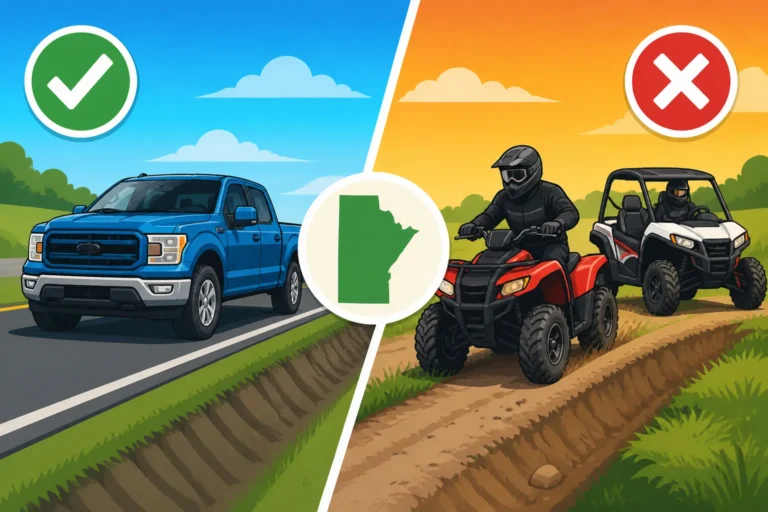
Often, riders are genuinely unaware of specific rules, or they might make a momentary lapse in judgment. Manitoba has clear regulations governing ORV use, and ignorance of these laws is, unfortunately, no excuse in the eyes of the law. Common reasons for receiving a citation include riding on prohibited roadways – yes, despite what some might think, [Manitoba Bans Riding on Roadways] pretty unequivocally. You might find yourself ticketed for improper ditch riding, as there are specific [Manitoba Ditch Riding Rules] you need to follow, like staying to the right and traveling with traffic flow.
Then there are personal safety equipment violations. Did you forget your helmet, or is it not up to the accepted standards? That can lead to a ticket under [Manitoba Helmet Law and Its Exemptions]. Age restrictions are another big one; younger riders might not fully understand [Manitoba Age Tiers for Young Riders], leading to citations for operating a machine they're not legally permitted to on certain terrains, or without proper supervision. It's easy to get caught up in the thrill of the ride and miss these crucial details, but officers are out there to enforce the safety of everyone on and near the trails.
The Immediate Choices After a Citation
Once you have that piece of paper in hand, you essentially have a few pathways you can take, and each has its own implications for potential court costs. The most straightforward option, if you believe you are in the wrong and the fine is manageable, is to simply pay the fine indicated on the ticket. This closes the matter, and while it stings, it typically avoids any further court costs beyond what might be an administrative fee or victim surcharge already built into the initial fine amount.
However, if you feel the citation was issued in error, or if there are mitigating circumstances, you have the right to dispute it. This means you will need to appear in court, and this is where the conversation about "court costs" truly begins. The third, and strongly discouraged, option is to ignore the citation. This is a surefire way to escalate the problem, leading to default convictions, significantly higher fines, additional penalties, and potentially even a warrant for your arrest. It simply never pays to ignore official documents, especially from law enforcement.
Reviewing the Officer's Notes
Before you decide anything, take the time to meticulously review the citation itself. Look beyond just the amount of the fine. Are all the details accurate? The date, time, location, description of your machine, and the specific section of the act you are alleged to have violated – these are all critical pieces of information. Sometimes, a simple clerical error by the issuing officer can become a cornerstone of your defense, if you choose to dispute the ticket.
Think about the circumstances leading up to the stop. Did the officer accurately record the weather conditions, the terrain, or the exact spot where the alleged infraction occurred? If you have dashcam footage, or if you can draw a clear picture of the area, that can be invaluable. Even small details, like whether your SuperATV winch was clearly visible and properly secured, or if your machine's lights were fully functional, can be important if the infraction relates to equipment or safety. A thorough review of the ticket can often reveal discrepancies or details you might not have considered initially, which could prove beneficial if you decide to challenge the citation in court.
Navigating the Manitoba Court System for ORV Offenses
Deciding to dispute a citation means stepping into the court system, which can feel intimidating. Understanding what "court costs" truly encompasses is the first step in demystifying the process and preparing yourself for what lies ahead.
What "Court Costs" Actually Mean
When people talk about court costs, they're often thinking about more than just the initial fine. In Manitoba, if you choose to dispute a citation and are ultimately found guilty, you could be on the hook for a variety of additional fees. These can include a mandatory victim surcharge, which is a provincial levy to help support programs for victims of crime. There might be administrative costs for processing your case through the system, filing fees for certain motions, or even service fees if documents need to be officially delivered.
Crucially, if you decide to hire a lawyer – which is often a wise decision when facing court – their professional fees will be a significant part of your overall expense. These legal fees can vary widely depending on the complexity of your case and the amount of time required. Unlike the specific fine amount listed on your ticket, court costs can accumulate, turning a relatively minor fine into a much more substantial financial burden once all is said and done. It’s a stark reminder that fighting a ticket, while sometimes necessary, isn't a cheap endeavor.
The Arraignment and Plea Process
Your first official court appearance after disputing a citation is typically the arraignment. This is where you'll formally enter a plea of either guilty or not guilty. If you plead guilty, the judge will usually impose the standard fine for the offense, plus any applicable surcharges and court costs. This often resolves the matter on that day, allowing you to pay and move on.
If you plead not guilty, the court will then schedule a trial date. This signifies your intention to challenge the evidence presented by the prosecution and requires a more in-depth preparation. During the arraignment, you might also have the opportunity to speak with a Crown prosecutor, who may be open to discussing a resolution or a lesser charge, especially if it's your first offense or if there are weaknesses in the prosecution's case. This initial meeting can sometimes prevent the need for a full trial, saving you significant time and potentially reducing your overall costs.
Preparing Your Defense
If you decide to plead not guilty and proceed to trial, preparing a robust defense is paramount. This means gathering all available evidence to support your position. Did you take photos or videos at the scene? Are there any witnesses who can corroborate your story? Were there any unique circumstances, such as an emergency, that influenced your actions? Even details about your machine, like specific modifications from SuperATV that improve visibility or handling, might be relevant if the citation involves equipment.
You'll need to familiarize yourself with [Manitoba Classes Covered by the Act] and the specific section of The Off-Road Vehicles Act under which you were charged. Understanding the letter of the law can help you identify any technicalities or misinterpretations. For example, if you were cited for riding in a prohibited area, but you believe it falls under an exemption like [Manitoba Own-Property Registration Exemption] (if that were relevant to the charge), having that knowledge is key. Consulting with a legal professional at this stage can be incredibly beneficial, as they can help you understand legal procedures, admissible evidence, and the most effective way to present your case.
Potential Financial Impacts Beyond the Fine
While the fine itself is a direct hit to your wallet, the financial repercussions of an ORV citation, especially one that goes to court, can extend far beyond that initial figure. It's crucial to consider these less obvious costs.
The Hidden Costs of a Guilty Verdict
Beyond the base fine and standard court costs, a guilty verdict can trigger several other financial burdens. The mandatory victim surcharge, as mentioned, is a given. But you might also face administrative fees that pile up, particularly if there were adjournments or additional filings. More significantly, if your offense is tied to your driving record, even indirectly, you could see an increase in your vehicle insurance premiums. While [Manitoba Insurance Included With Registration] provides basic liability, a serious offense might prompt your insurer to re-evaluate your risk profile, leading to higher rates for any additional coverage you might carry.
In some cases, especially with repeat offenses or more serious violations, there could be costs associated with mandatory courses or remedial programs. These aren't just about the program fees; they also involve the time and effort required to complete them. It’s a cascade effect: what starts as a few hundred dollars on a ticket can easily balloon into thousands when all the associated fees, surcharges, and potential insurance hikes are factored in.
Time Off Work and Travel Expenses
Attending court is not a quick process. Each appearance, from the initial plea to subsequent trial dates, requires you to take time out of your day – time that you might otherwise spend at work, earning income. For many, this translates directly into lost wages. If your job doesn't offer paid time off for court appearances, every hour spent in the courthouse is an hour of lost pay.
Then there are the very real travel expenses. Depending on where you live in Manitoba and where the courthouse is located (be it Winnipeg, Brandon, or a smaller judicial centre), you'll incur costs for fuel, vehicle maintenance, and potentially parking fees. These might seem minor individually, but for multiple court dates spread over weeks or months, they add up. The inconvenience and financial drain of these non-fine related costs are often underestimated by riders, making it another compelling reason to avoid citations in the first place.
Compounding Penalties for Serious Infractions
For more severe offenses, the financial penalties can be staggering and include far more than just monetary fines and court costs. If you're charged with [Manitoba Impaired Riding Penalties], for instance, you're looking at significantly higher fines, potential license suspensions (even if it's your ORV license, it can impact your driver's license), and mandatory education programs. The legal fees to defend against such a charge will also be substantially higher.
Similarly, offenses deemed as [Manitoba Careless Operation Penalties] can carry fines up to $5,000 for a first offense and even more for subsequent ones. In extreme cases, a judge might order the seizure of your machine. Imagine the financial loss of having your custom-built machine, perhaps fitted with specialized SuperATV suspension or tires, confiscated. These are not just abstract possibilities; they are real consequences that underscore the importance of understanding and adhering to all ORV regulations, even when you're just out for a casual ride.
Strategies to Mitigate Costs and Avoid Future Citations
Facing a citation is never ideal, but there are proactive steps you can take to minimize the financial impact and, more importantly, prevent future run-ins with the law. Being informed and prepared is your best defense.
Seeking Legal Advice
When you receive a citation, especially for anything more serious than a minor infraction, one of the best investments you can make is consulting with a lawyer who specializes in provincial offense tickets. They understand the nuances of the law, the court procedures, and often have relationships with Crown prosecutors. A good lawyer might be able to identify technicalities in the citation, negotiate a reduced charge, or even have the ticket withdrawn entirely based on procedural errors or lack of evidence.
While hiring a lawyer adds to your immediate expenses, their expertise can often save you significantly more in the long run by reducing fines, avoiding demerit points, or preventing more severe penalties like license suspensions. They can explain your rights, guide you through the complexities of the court system, and present a compelling case on your behalf, giving you a much better chance at a favourable outcome. It's about knowing when to call in the professionals.
Understanding Manitoba's ORV Laws
The most effective way to avoid court costs entirely is, naturally, to avoid citations in the first place. This means taking the time to truly understand [Manitoba Rules Riders Get Wrong] and all other applicable regulations. Don't just assume you know the rules; actively seek out and review the official information. The provincial government's publications on The Off-Road Vehicles Act are an excellent starting point. Local ATV clubs often provide valuable insights and hold educational sessions.
Knowing where you can and cannot ride is paramount. Understanding [Manitoba Ditch Riding Rules] or [Manitoba Crossing Rules at 5 Metres and 3 Kilometres] can prevent common mistakes. Familiarize yourself with age restrictions, helmet laws, and equipment requirements. A little bit of homework before you hit the trails can save you a lot of headache and money down the road. It’s about being a responsible and informed rider, not just for your own safety, but for your financial well-being.
Proactive Compliance and Equipment Checks
Beyond knowing the rules, actively ensuring your machine is always compliant with equipment requirements can prevent unnecessary stops and citations. This includes proper lighting, ensuring your spark arrester is in good working order, and confirming your registration is current – remember, [Manitoba Registration Renews With Your Autopac Policy]. Before every ride, do a quick check: are your headlights and taillights working? Is your horn functional? Is your registration card [Carrying Your Registration Card on Every Ride] with you?
Investing in quality, compliant equipment can also make a difference. Whether it’s a certified helmet or a durable and legally compliant accessory from SuperATV, ensuring your machine meets all standards reduces the chances of an officer flagging you down. This proactive approach not only keeps you safe but also demonstrates a commitment to responsible riding, which can sometimes even factor into an officer's discretion during a stop. Regular maintenance and adherence to equipment standards are key pillars of avoiding citations and, by extension, court costs.
Here's a look at how different scenarios can impact your potential costs:
| Scenario | Initial Fine Range (Example) | Potential Court Costs (Approximate) | Additional Costs (Examples) | Total Financial Impact |
|---|---|---|---|---|
| Paying Fine Directly | $100 – $500 | $0 – $50 (Admin/Surcharge) | None | $100 – $550 |
| Minor Infraction, Disputed, Found Guilty | $100 – $500 | $100 – $300 (Court Fees, Surcharge) | Lost Wages, Travel Expenses ($100-$300) | $300 – $1100 |
| Serious Infraction, Disputed, Found Guilty | $500 – $2000 | $200 – $500 (Court Fees, Surcharge) | Legal Fees ($500-$5000+), Lost Wages, Insurance Hikes, Remedial Programs | $1200 – $8000+ |
| Ignored Citation | Doubles/Triples Original Fine | Default Judgment Fees ($200-$500) | License Suspension Fees, Collection Fees, Warrant Costs | $1000 – $5000+ |
Disclaimer
This article is for general informational purposes only and does not constitute professional advice. Laws, prices and regulations vary by location and change over time. Consult a qualified professional for guidance on your specific situation.