Manitoba Northern Community Councils
For many off-road vehicle (ORV) enthusiasts, the open spaces of Northern Manitoba represent an unparalleled sense of freedom and adventure. However, navigating the rules and regulations for riding your ATV or UTV in these unique communities can be a real head-scratcher. It's easy to assume that "up north" means fewer rules, but the truth is, Northern Community Councils hold significant authority over how and where you can ride within their boundaries. This guide is here to untangle those complexities, helping you understand how local by-laws interact with provincial laws, and how to ride respectfully and legally in Manitoba's northern regions.
The Unique Authority of Northern Community Councils Over ORVs
When you think about rules for ORVs in Manitoba, your mind might jump straight to the provincial regulations set by the government, or perhaps the by-laws of a large city or rural municipality. But Northern Community Councils operate in a very different context, and this difference shapes their approach to ORV use in a significant way.
Why Northern Communities Aren't Like Southern Municipalities
Picture this: in many southern Manitoba towns, an ATV or UTV is primarily seen as a recreational toy, something you load on a trailer and take to a specific trail system. Roads are for cars and trucks, and keeping ORVs off them is generally the default. Now, shift that mental image north. In many of Manitoba's northern and remote communities, ORVs aren't just for weekend fun; they're often an essential part of daily life.
Residents might rely on their quad or side-by-side for transportation to and from trap lines, fishing spots, hunting grounds, or even just to get groceries or visit neighbours when traditional paved roads are non-existent or impassable for other vehicles. These communities often have a limited road network, consisting of gravel paths, dirt tracks, or even just cleared rights-of-way that see regular ORV traffic out of necessity. This integration of off-road machines into the fabric of daily life means that local governance needs a different approach than what you’d find in, say, Brandon or Winnipeg.
The physical landscape itself plays a huge role. We're talking about vast, often rugged terrain, sometimes far removed from major highways and all-weather roads. Infrastructure is different, and the role of a personal vehicle, whether it has two wheels or four, is inherently different. For many, an ORV isn't a luxury; it's a tool for survival and connectivity. This fundamental difference in how machines are used and perceived is the bedrock of how Northern Community Councils approach their governance.
How Councils Get Their Power to Regulate Off-Road Vehicle Use
So, if these communities are so different, where does a Northern Community Council get the authority to make its own rules? Unlike a traditional city or a Local Government District (LGD) with a well-defined municipal act, Northern Community Councils, and often First Nation band councils, derive their power from a combination of provincial statutes and their own inherent local governance structures. The key here is that they can enact by-laws that are specific to their local conditions.
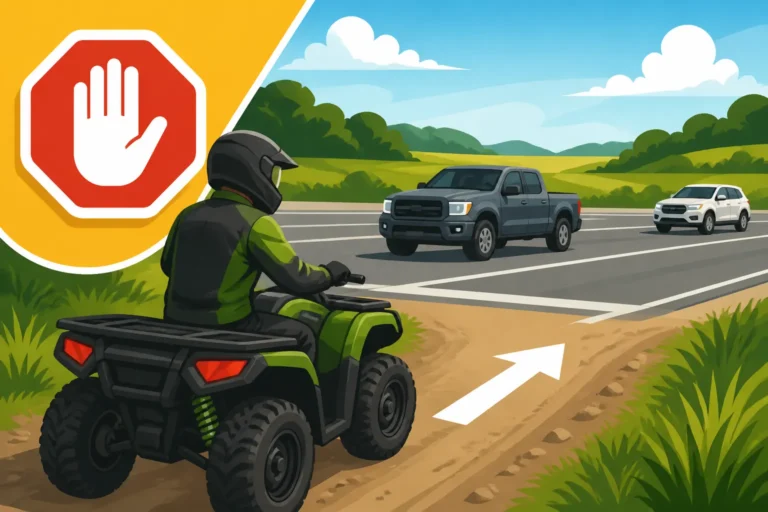
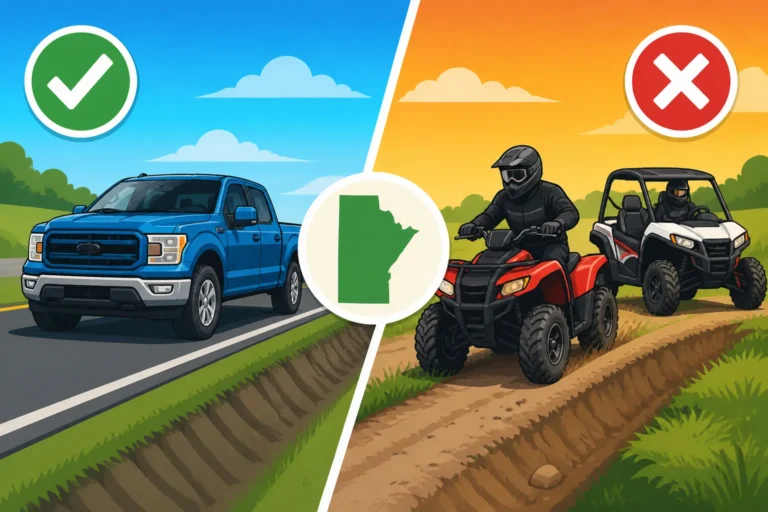
What's particularly interesting, and sometimes confusing for riders, is that these local by-laws can, in certain circumstances, override or modify provincial highway traffic regulations within the council's jurisdictional boundaries. While the province generally bans ORV use on public roadways, a Northern Community Council has the power to pass a by-law that opens specific local roads or streets to ORV traffic. This is a crucial distinction: provincial law might say "no," but a properly enacted local by-law can say "yes" within that community's specific limits. This local autonomy is vital because it allows communities to reflect their unique needs and customs.
For instance, if a provincial highway runs through a northern community, the provincial rules might still apply to that specific highway. However, on all the side roads, village paths, or unpaved routes within the community's local jurisdiction, the council's by-laws become the governing authority. This means that [Manitoba Municipal By-Law Powers] extend to these councils, allowing them to tailor regulations that make sense for their residents and their way of life, rather than being bound by a blanket provincial rule that might not fit. It's a system designed to give power to those closest to the local realities.
Navigating Local By-Laws: Your Guide to Riding Legally Up North
Understanding that Northern Community Councils have their own rule-making power is the first step. The next, and arguably most important, is figuring out what those rules actually are in the specific community you plan to ride in. This isn't always as straightforward as checking a provincial government website, but with a bit of effort, you can ensure your ride is both enjoyable and legal.
What Kinds of By-Laws Can You Expect?
When a Northern Community Council passes by-laws concerning ORVs, they're typically addressing the practicalities of how these machines integrate into daily community life. These by-laws might designate specific roads or streets within the community that are open for ORV use. This is huge because, as we discussed, provincial law generally prohibits ORVs from roadways. So, a local by-law can be your golden ticket to using your machine for necessary travel or recreation within town limits.
Beyond simply opening roads, these by-laws can also stipulate important operating conditions. You might find speed limits that apply specifically to ORVs on community roads, often much lower than those for cars, especially in residential areas or near schools. Councils might also set hours of operation, perhaps prohibiting loud riding late at night to ensure community peace. Rules around how close you can operate an ORV to dwellings, playgrounds, or other public spaces are also common, aiming to balance utility with safety and quality of life for all residents.
Some by-laws might even address parking regulations for ORVs within the community. It's not uncommon to see specific areas designated for ORV parking, or restrictions on where you can leave your machine, especially if it's blocking access or causing a nuisance. The key takeaway here is that these are local rules, established by the community itself, for its local roads and areas. They are designed to fit the specific character and needs of that community, which is why they can vary significantly from one northern settlement to another. It’s never a one-size-fits-all situation when you head north.
How to Find and Understand the By-Laws in Your Chosen Community
This is where the rubber meets the road, quite literally. Since there isn't one centralized online database for every Northern Community Council's ORV by-laws, the critical importance of direct contact cannot be overstated. Before you haul your machine hundreds of kilometres north, make it a priority to contact the specific Northern Community Council office or their band office directly. A simple phone call or email can save you a world of trouble.
When you call, be polite and clear about your intentions. Explain that you're planning to visit their community and want to understand the local rules for riding your ATV or UTV. Ask specific questions about which roads are open, what the speed limits are, and if there are any restrictions on hours of operation or areas to avoid. Don't rely on assumptions or anecdotes you heard from a friend of a friend. The rules can change, and what applies in one community might not apply in another, even if they're relatively close geographically. The frustration of getting a ticket because you relied on outdated or incorrect information is very real, especially when you're far from home.
Some councils might have their by-laws posted on a community website, but this isn't always a given, especially for smaller or more remote settlements. You might also find physical copies posted on community bulletin boards, at the local store, or in the council office itself. Always ask for an official source or confirmation. Taking the time to do this groundwork upfront not only ensures you ride legally but also demonstrates respect for the community you're visiting. They’ll appreciate you making the effort to understand and abide by their local rules, fostering better relations between riders and residents.
Beyond By-Laws: Provincial Rules, Exemptions, and Practical Realities
While local by-laws are incredibly important in northern communities, they don't erase all provincial regulations. It's a layered system, and understanding which rules apply when and where can feel like a puzzle. One of the biggest areas of confusion often revolves around the provincial "remote community" exemption for registration, and how that interacts with other operating rules.
Understanding the "Remote Community" Registration Exemption
Let's clear this up right away: Manitoba does have a registration exemption for off-road vehicles operated solely within a "remote community." But what exactly qualifies as a "remote community" in the eyes of the law? Generally, it refers to a community that doesn't have year-round, all-weather road access to the provincial highway network. Think of places that might rely on winter roads, air travel, or water routes for significant parts of the year. This specific exemption is detailed further in [Manitoba Registration Exemptions Explained] and [Riding in a Community No All-Weather Road Reaches].
Now, here's the crucial part, and it's where many riders get confused: this exemption only applies to the provincial registration requirement. It means if you live in and only operate your ORV within such a designated remote community, you might not need to register your machine with MPI. However, and this is a big "however," being exempt from registration does not automatically mean you're exempt from all other provincial operating rules. Many people mistakenly believe that if they don't need a plate, they don't need to worry about helmets, age restrictions, or other safety regulations. That assumption can lead to serious consequences.
The intention of this exemption is to alleviate an administrative burden for residents of communities where ORVs are indispensable for daily life and where access to registration services might be limited. It's not a blanket pass to ignore safety or responsible operation. So, while you might not need to visit an Autopac agent for a plate, you still need to be very mindful of how you operate your machine.
What Provincial Operating Rules Still Apply?
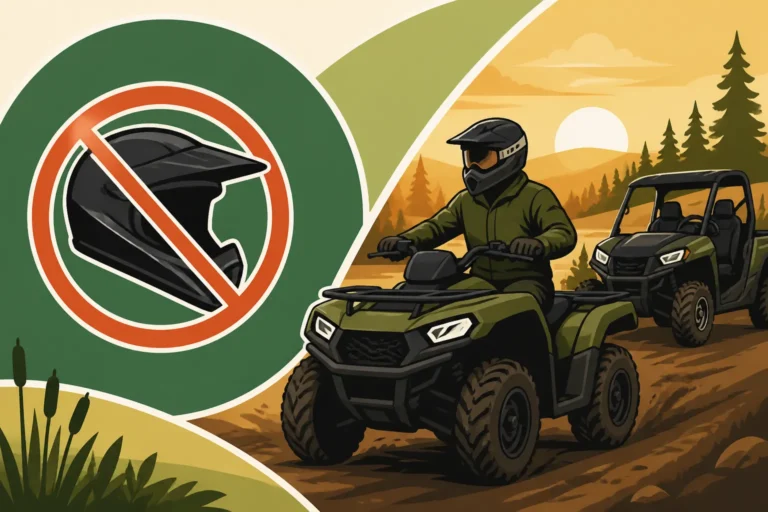
Even if your ORV is exempt from provincial registration because you're riding solely within a remote community, most of the provincial operating rules are still firmly in effect. This is a common pitfall for riders who assume full exemption. For example, [Manitoba Helmet Law and Its Exemptions] still applies. Unless a very specific, rare local by-law explicitly states otherwise (and you should verify this directly with the council!), you and any passengers must wear an approved helmet. This is about safety, plain and simple, and it's a rule that transcends the need for a license plate.
Similarly, [Manitoba Age Tiers for Young Riders] are still relevant. If you have a youth riding an ORV in a remote community, they generally still need to adhere to the age and supervision requirements set out by the province. You can't just hand the keys to a six-year-old because there's no registration required. The laws around impaired riding, whether by alcohol or cannabis, also remain fully in force. [Manitoba Impaired Riding Penalties] apply to everyone, everywhere, for good reason. Operating an ORV while impaired is illegal and incredibly dangerous, regardless of whether you're on a trail in the south or a dirt road in the north.
Other provincial equipment requirements, such as [Manitoba Lighting Requirements on a Machine] for nighttime operation and [Manitoba Spark Arrester Requirements] to prevent wildfires, are also generally expected to be followed. These rules are in place for safety and environmental protection, and they don't typically disappear just because you're in a remote area. The distinction here is critical: local by-laws might open a road to ORV use, but they rarely (if ever, without provincial consultation) grant exemptions from fundamental safety and environmental regulations that are meant to protect lives and land. When in doubt, assume provincial safety rules apply.
Equipping Your Machine and Mindset for Northern Riding
Riding in Northern Manitoba isn't just about knowing the rules; it's about being prepared for the unique conditions and understanding the social fabric of these communities. Your machine needs to be up to the task, and your approach as a rider needs to be respectful and responsible.
Durability and Maintenance for Remote Conditions
When you're far from the nearest dealership or even a well-stocked auto parts store, the reliability and durability of your ATV or UTV become paramount. Northern terrain can be unforgiving – think rocky trails, deep mud, muskeg, long stretches of gravel, and dense bush. This isn't the place for flimsy aftermarket parts or a machine that's barely held together. You need robust components that can withstand constant abuse and heavy loads.
Consider upgrading critical components that are prone to failure in harsh conditions. For instance, heavy-duty axles are a wise investment to handle the stress of rough terrain and potential heavy hauling. Lift kits can provide much-needed ground clearance to clear obstacles, and high-quality skid plates are essential to protect the underside of your machine from rocks and stumps. Brands like SuperATV are well-known for producing aftermarket parts designed to enhance the durability and capability of your machine, which can be a lifesaver when you're days away from mechanical support. A good winch is also non-negotiable for self-recovery, as are sturdy tires that are appropriate for the varied northern landscape.
Beyond upgrades, diligent maintenance is key. Before every trip, perform thorough checks of fluids, belts, tires, brakes, and suspension components. Carry a comprehensive toolkit, including spare belts, plugs, tire repair kits, and essential fluids. Know how to make basic repairs yourself. Being prepared for a breakdown far from civilization can turn a potential disaster into a minor inconvenience. Remember, in many northern areas, your ORV might be your only reliable mode of transportation, so keeping it in top shape isn't just a hobby; it's a necessity.
Building Good Community Relations
Riding in Northern Manitoba communities isn't like tearing up a private track. Your actions have a direct impact on the residents, many of whom rely on these areas for their livelihoods and homes. Building good community relations is vital for ensuring continued access and positive perceptions of ORV riders. This means being a respectful rider at all times.
Control your noise, especially near dwellings, schools, or community gathering places. Excessive engine noise is disruptive and can quickly sour local sentiment towards riders. Similarly, manage your dust. On dry gravel roads, slow down when passing homes or people to minimize the dust cloud you kick up. Speeding through residential areas, even if a by-law allows ORVs on that road, is a surefire way to alienate local residents and invite stricter regulations. Remember the guidance of [Manitoba Trail Etiquette Locals Expect] and apply it even more rigorously when within a community.
Understanding that ORVs are deeply integrated into the daily lives of northern residents means recognizing that your recreational riding might be taking place on roads or paths that are essential routes for others. A polite wave, a friendly nod, and a genuine effort to minimize your impact go a long way. If you have questions about specific areas or local sensitivities, don't hesitate to ask a local resident or council member. Their local knowledge is invaluable. Ultimately, your goal should be to be a good neighbour and a responsible visitor, demonstrating that ORV riders can be a positive presence in these unique and beautiful parts of Manitoba.
Provincial vs. Northern Community Council ORV Powers
To help clarify the often-confusing division of powers, here's a table summarizing the typical scope of provincial regulations versus what a Northern Community Council can usually control regarding ORV use. This isn't an exhaustive list, but it highlights the main areas of influence.
| Aspect of ORV Use | Provincial Authority (General) | Northern Community Council Authority (Within Boundaries) |
|---|---|---|
| Registration | Mandatory for most ORVs, includes trails fee. | Exemption for communities without all-weather road access (residents riding only in community). |
| Operating Rules | Helmet law, age restrictions, impaired driving, lighting, spark arresters, general safe operation, no road riding. | Can pass by-laws to open specific local roads for ORV use. Can set local speed limits, hours of operation, and specific zones. |
| Road Access | Generally prohibits ORVs on provincial highways and most public roadways. | Can designate specific community roads as legal for ORV use via by-law. |
| Enforcement | RCMP, Conservation Officers, other provincial enforcement. | Local by-law enforcement officers, RCMP. |
| Trails Fee | Mandatory $25 fee collected with registration, non-refundable. | Not directly involved in collecting or managing the provincial trails fee. |
| Insurance | Basic third-party liability coverage included with registration (if required). | No direct authority over insurance; provincial requirements still apply if registration needed. |
| Land Use (Crown) | Controls access and use of Crown land, provincial parks. | Can regulate use on community-owned lands or within established community areas. |
Disclaimer
This article is for general informational purposes only and does not constitute professional advice. Laws, prices and regulations vary by location and change over time. Consult a qualified professional for guidance on your specific situation.