Manitoba Rules for Riding With a Dog
You've got your off-road vehicle, the open trails are calling, and your best furry friend is giving you those "don't forget me!" eyes. It's a common dream for many ATV and UTV enthusiasts in Manitoba to share their adventures with their dogs. But before you just load up your canine companion and hit the gas, there are some really important considerations, both legal and practical, to ensure everyone stays safe and happy. This guide will help you navigate the nuanced world of bringing your dog along for the ride, from understanding the lack of specific regulations to implementing crucial safety measures.
The Legal Landscape: Are Dogs Allowed on Manitoba ORVs?
It's a question many of us ask, and the answer isn't as clear-cut as we might like. Unlike helmet laws or registration requirements, Manitoba's Off-Road Vehicles Act doesn't directly address carrying animals or dogs on ATVs and UTVs. This silence can be frustrating because it leaves a lot up to interpretation and general principles rather than specific, easy-to-follow rules.
No Specific ORV Act Mention
When you scour the actual text of the Off-Road Vehicles Act for any mention of "dogs" or "animals" being carried on your machine, you'll likely come up empty-handed. This isn't unique to Manitoba; many jurisdictions focus their ORV legislation primarily on the machine itself, the operator, and the land it's on, rather than specific cargo like pets. This lack of explicit regulation means there isn't a definitive "yes, you can" or "no, you can't" written in stone regarding your dog's presence on your quad or side-by-side.
The problem here is that while it doesn't forbid it, it also doesn't provide any guidelines on how to do it safely or responsibly. This puts the onus entirely on the owner to ensure their pet's well-being and to prevent any issues that might arise. It can feel like walking a tightrope without a clear path, making many riders hesitant to bring their dogs along for fear of unknowingly breaking some unspoken rule or, worse, putting their dog in harm's way.
Interpretations from General Laws and Common Sense
Since the ORV Act is silent, any legal implications typically fall under broader categories like general animal welfare laws, distracted driving regulations (if you're on a public road or ditch where the Highway Traffic Act applies), or even local bylaws. For instance, if your dog is unsecured and clearly at risk of falling off, or if it's obstructing your view or control of the machine, a peace officer might interpret this as careless operation. While it might not be a "dog on ORV" ticket, it could easily fall under a general "careless operation" or "failure to ensure a safe load" type of infraction. This is similar to how general rules about reckless driving can lead to consequences like [Manitoba Impaired Riding Penalties] even if the specific act isn't named.
Ultimately, common sense and a deep commitment to your dog's safety are your best guides here. If your dog's presence in or on your machine creates an unsafe situation for them, for you, or for others, it's a problem. This means securing them properly, ensuring they can't interfere with the controls, and making sure they're not causing a distraction. Think of it this way: if you wouldn't let a poorly secured piece of gear fly around your machine, you certainly shouldn't allow your living, breathing, vulnerable pet to be in such a precarious position. Your responsibility extends to preventing any situation that could be seen as neglect or putting an animal in danger.
Safety First: Protecting Your Canine Co-Pilot
Even without specific laws, prioritizing your dog's safety is non-negotiable. An off-road environment is inherently rugged, noisy, and full of potential hazards. What might seem like a fun adventure for you could be overwhelming or dangerous for an unprepared dog. Taking the time to properly prepare your furry friend and your machine is paramount to a successful and enjoyable outing for everyone.
Securing Your Dog on an ATV or UTV
This is perhaps the single most critical safety aspect. An unsecured dog, regardless of its size, becomes a dangerous projectile in the event of a sudden stop, a bump, or an accident. It can also leap out unexpectedly, creating a sudden and severe hazard for you and itself.
- On an ATV: Securing a dog on an ATV is significantly more challenging and generally not recommended for anything but very small, calm dogs in purpose-built, highly secure carriers that are rigidly attached to the rack. Simply letting a dog sit on the front or rear rack, or stand on the footwells, is extremely dangerous. They can easily fall off, get tangled in moving parts, or be severely injured. Even a specially designed dog basket or bag needs to be industrial-strength and fastened with multiple secure straps to prevent any movement. For most ATVs, especially larger dogs, the risk simply outweighs any benefit.
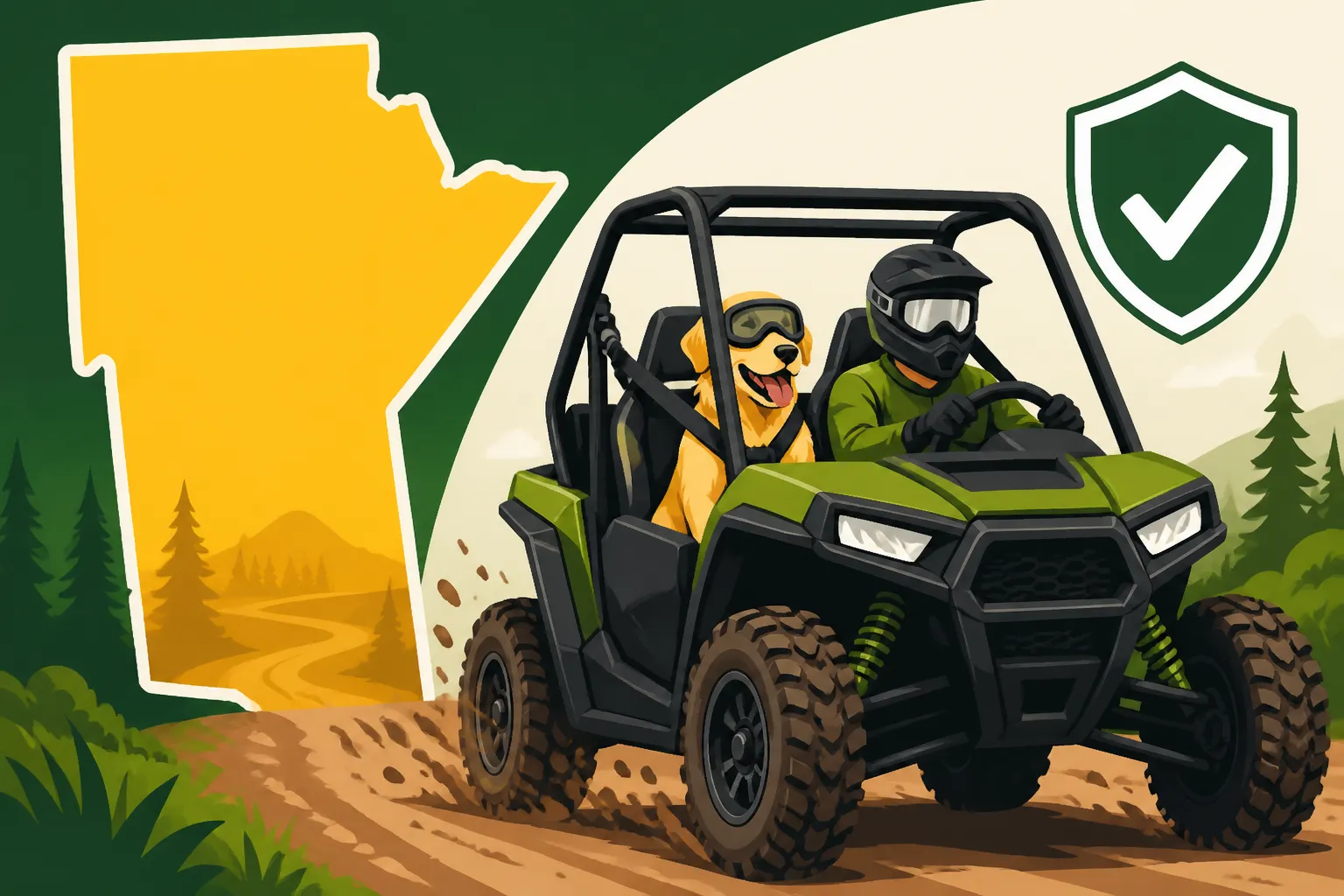
- On a UTV: UTVs offer a much safer and more practical option for dog transport. The enclosed cab and cargo bed provide far more possibilities for securement.
- Crates or Kennels: The best option is often a sturdy, well-ventilated dog crate or kennel that is securely strapped down in the UTV's cargo bed. Use ratchet straps or heavy-duty bungee cords that are robust enough to prevent any movement, even over rough terrain.
- Harnesses and Seatbelts: In the passenger seats of a UTV, you can use a dog-specific car harness that attaches to the vehicle's seatbelt system. Never use a standard collar for this, as a sudden stop could cause serious neck injury. These harnesses distribute forces across the dog's chest.
- Cargo Barriers: For larger UTVs with ample bed space, you might consider cargo nets or even custom-built bed enclosures. Companies like SuperATV offer a variety of cargo boxes and bed accessories, some of which could be adapted or utilized with additional securement to create a safe, contained space for your dog. Remember, the goal is containment and protection, not just a casual ride.
A loose dog in the cab, even if it seems calm, can quickly become a distraction. A sudden lunge, a bark at a passing deer, or an attempt to get closer to you can cause you to lose focus or control. Your dog needs to be as securely fastened as any other piece of cargo, if not more so, given that they are a living being.
Protecting Paws, Ears, and Eyes
The trail environment presents unique challenges for dogs that their natural defences aren't always equipped for. Thinking ahead about these potential issues can prevent discomfort or even serious injury.
- Paws: Think about the terrain you'll be riding over. Sharp rocks, hot pavement or metal surfaces (like your machine's floorboards or cargo bed in direct sun), thorns, or even just long hours on rough ground can be brutal on paws. Dog booties can offer protection from abrasions, cuts, and extreme temperatures. Always check your dog's paws regularly for any signs of injury or irritation.
- Ears: Off-road vehicles can be surprisingly loud, especially for dogs with sensitive hearing. The constant engine noise, exhaust rumble, and wind buffeting can be distressing or even damaging over time. For longer rides, or if your dog seems particularly bothered by noise, consider ear protection designed for dogs, often called "mutt muffs."
- Eyes: Dust, flying debris, low-hanging branches, and insects are all common on trails. Just like you wear eye protection, your dog needs it too. "Doggles" (dog goggles) are readily available and can significantly reduce the risk of eye injuries. Getting your dog accustomed to them before hitting the trail is key.
Beyond these specific protections, remember basic needs: frequent breaks for water are crucial, especially on warmer days. Ensure your dog has access to shade during stops, and never leave them unattended in a parked machine, particularly in direct sunlight, where temperatures can soar rapidly.
Training and Acclimatization
Not every dog is cut out for ORV riding. Some dogs are naturally anxious, easily startled, or prone to motion sickness. Forcing them into an environment they find stressful will only make both of you miserable and could create a dangerous situation.
Start slow and make it a positive experience:
- Introduce the machine: Let your dog explore the ATV or UTV while it's off. Reward curiosity with treats and praise.
- Engine noise: Turn the engine on for short periods while your dog is nearby, offering treats and reassurance. Gradually increase the duration.
- Short, slow rides: Begin with very short, slow rides around your property or a quiet area. Focus on familiarization with the motion and sounds, building their confidence.
- Practice securement: Get them comfortable with their harness, crate, or booties long before the actual ride.
- Observe their cues: Pay close attention to your dog's body language. Signs of stress include excessive panting, drooling, yawning, lip licking, tail tucking, or trying to hide. If they're clearly uncomfortable, it might be best to leave them at home.
Investing time in proper training and acclimatization ensures that your dog sees the ORV as an exciting, safe adventure rather than a source of fear.
Practical Considerations for Riding with Your Dog
Once you've addressed the legal ambiguities and immediate safety concerns, there are still a lot of practical details that can make or break a successful ride with your dog. It's about being prepared for anything the trail throws your way, from basic necessities to unexpected encounters.
Essential Gear for Your Dog
Just as you pack your own essentials for a day out on the trails, your dog needs their own kit. Don't underestimate the importance of these items, as they can prevent discomfort, illness, or even an emergency.
- Water and Collapsible Bowl: This is non-negotiable. Dogs can dehydrate quickly, especially with excitement and exertion. Always carry more water than you think you'll need.
- Dog First-Aid Kit: Beyond your human first-aid kit, pack items specific for your dog. This might include paw balm, antiseptic wipes, sterile saline solution for eyes, vet wrap (self-adhesive bandage), tweezers (for splinters/ticks), and any prescribed medications. Knowing basic dog first aid can be a lifesaver.
- Leash, Collar, and Up-to-Date ID Tags: Even if your dog has excellent recall, a leash is essential for safety, especially when stopping, at trailheads, or if encountering other people or wildlife. Ensure ID tags have your current phone number. A GPS tracker is also a wise investment, particularly if you're venturing into remote areas.
- Poop Bags: This is a matter of trail etiquette and environmental responsibility. Always clean up after your dog, no matter how far into the bush you are.
- Towels: Handy for muddy paws, wet fur, or wiping off dust.
- Portable Bed or Blanket: For comfort during breaks, especially if the ground is cold, wet, or hard. This gives them a familiar, safe spot to relax.
When thinking about how to store all this gear, consider your machine's storage options. Many UTVs have ample cargo space, and accessories from brands like SuperATV might include cargo boxes or storage bags that can help organize your dog's essentials.
Trail Etiquette and Wildlife Encounters
Riding with your dog means you're not just representing yourself, but also the wider off-roading community, and dog owners. Being mindful of others and the environment is crucial.
- Leash Laws: Many provincial parks, designated trails, and even some Crown Land areas have strict leash laws. Always research the specific rules for where you plan to ride. Even if not legally required, keeping your dog leashed and close at hand in busy areas or around other trail users is a sign of respect. This aligns with rules found in [Manitoba Provincial Park Machine Rules] and [Manitoba Rules for Riding Crown Land].
- Wildlife: Manitoba is rich with wildlife, and an off-leash dog can quickly become a problem. Your dog could chase or harass animals, or worse, become prey for larger predators like wolves or bears. Be aware of [Manitoba Bear Encounters While Riding] and [Manitoba Moose Encounters While Riding]. Keeping your dog leashed and under control not only protects the wildlife but also protects your dog from dangerous encounters. A dog's natural instincts can put them in perilous situations they can't handle.
- Other Trail Users: Not everyone is comfortable around dogs. Keep your dog close and prevent them from approaching other riders, hikers, or equestrians uninvited. A friendly wagging tail can still be intimidating to some, especially children. Practicing good [Manitoba Trail Etiquette Locals Expect] ensures positive experiences for everyone.
- Leave No Trace: This principle extends to pet waste. Pack it out, every time. Never leave bags of dog poop on the trail.
Planning Your Route and Stops
Careful planning can prevent exhaustion, discomfort, and emergencies for your dog.
- Choose Dog-Friendly Trails: Opt for trails that match your dog's fitness level and temperament. Avoid overly technical or extremely long routes initially. Consider the terrain – is it excessively rocky, muddy, or full of hazards?
- Frequent Breaks: Dogs need to stretch their legs, sniff around, and have potty breaks more often than you might. Plan regular stops for water and relief, especially on longer rides.
- Weather Conditions: Extreme heat can cause heatstroke, while severe cold can lead to hypothermia. Always check the forecast and dress your dog appropriately (if needed) or reschedule if conditions are too harsh.
- Emergency Access: Before heading out, know the nearest vet clinic or emergency services, especially if you're going into remote areas. Having a satellite messenger or an emergency communication device is a smart move when cell service is spotty, as is often the case on [Manitoba ATV Trails: Club Ground and Crown Land].
- Documentation: Always carry your dog's vaccination records and any necessary permits if travelling to specific park areas. While an officer might primarily ask for [Carrying Your Registration Card on Every Ride] for your machine, being prepared for all contingencies is key.
Choosing the Right Machine and Accessories
The type of off-road vehicle you own plays a significant role in how safely and comfortably you can bring your dog along. Some machines are simply better suited for the task than others, and the right accessories can transform a challenging situation into a manageable one.
ATV vs. UTV for Dog Transport
This is often the first decision point for riders considering bringing their dog.
- UTVs (Side-by-Sides): Generally, UTVs are far superior for dog transport.
- Enclosed Cabins: Many UTVs offer partial or fully enclosed cabins, providing shelter from sun, wind, and rain. This is a huge comfort factor for dogs.
- Passenger Seats & Seatbelts: The presence of actual passenger seats makes it easier to use dog-specific car harnesses and secure your pet safely.
- Cargo Beds: The flat, spacious cargo bed is ideal for securing a dog crate or kennel. This keeps the dog out of the driver's immediate space but still nearby. Many UTVs also have grab handles or tie-down points perfect for securing crates.
- Stability: UTVs are typically more stable than ATVs, reducing sudden shifts and bumps that can unsettle a dog.
- ATVs (Quads): ATVs present significant challenges for safely carrying dogs.
- Lack of Secure Space: The open nature of an ATV with limited flat, secure surfaces makes it difficult to contain a dog safely. As mentioned, letting them ride on a rack without extreme securement is highly dangerous.
- Exposure to Elements: Dogs on ATVs are fully exposed to wind, dust, debris, and weather, increasing the risk of eye, ear, and respiratory issues, as well as general discomfort.
- Driver Distraction: A dog sitting on a rack can easily shift, move, or try to interact with the driver, creating a dangerous distraction.
- Risk of Injury: In a rollover or even a minor tip, a dog on an ATV is at very high risk of serious injury.
If your primary goal is to consistently ride with your dog, a UTV is almost always the more responsible and practical choice.
Accessories to Enhance Dog Safety and Comfort
Once you've settled on the machine, or if you're looking to optimize your existing UTV, several accessories can significantly improve your dog's riding experience.
- Secure Crates or Kennels: As discussed, a sturdy crate is key. Ensure it's made of durable material, offers good ventilation, and is sized appropriately for your dog to stand, turn around, and lie down comfortably. Secure it to your UTV's bed with heavy-duty straps.
- Cargo Nets or Bed Barriers: If you're not using a full crate, a cargo net or a solid barrier across the back of the UTV bed can help keep your dog contained and prevent them from jumping out or interfering with the driver. Companies like SuperATV offer a range of cargo management solutions, from bed extenders to bed enclosures, that could be adapted to create a safer space for your furry passenger.
- Shade/Roof: A roof or bimini top for your UTV is essential for protecting your dog from direct sun exposure and rain. Heatstroke is a serious risk, and shade can make a huge difference in comfort and safety.
- Ramps: For older, smaller, or less agile dogs, a lightweight, portable ramp can make getting into and out of a UTV bed much easier and safer, preventing joint strain or falls.
- Comfort Mats: Line the bottom of crates or the UTV bed with a non-slip, comfortable mat. This provides cushioning and prevents slipping on acceleration or braking.
- GPS Trackers: These devices attach to your dog's collar and can be invaluable if your dog somehow gets separated from you, especially in remote areas.
By carefully selecting and properly installing these accessories, you can create an environment where your dog is not just tolerated, but truly integrated safely into your off-road adventures.
Comparative Look: ATV vs. UTV for Dog Transport
Let's break down the general suitability of ATVs and UTVs for carrying your dog on the trails. This isn't a hard and fast rule, as individual machines and dog temperaments vary, but it provides a good overview.
| Feature | ATV (Quad) | UTV (Side-by-Side) |
|---|---|---|
| Safety of Transport | Low: Very difficult to secure safely; high risk in event of jolt/crash. | High: Ample space for secure crating or harness use in seats. |
| Comfort for Dog | Low: Full exposure to elements, noise, bumps, dust. Limited space. | High: Enclosed/semi-enclosed cabin, smoother ride, more stable. |
| Securement Options | Limited: Only small, purpose-built, rigidly attached carriers are feasible. | Excellent: Crates/kennels in bed, dog seatbelts in passenger seats, cargo barriers. |
| Driver Distraction | High: Dog movement/interaction can easily distract operator. | Low: Dog is contained, less likely to interfere with controls or view. |
| Cargo/Gear Space | Low: Very little extra space for dog gear once dog is on board. | High: Plenty of room in bed for dog crate and all necessary gear. |
| Visibility | High Risk: Dog can obstruct mirrors or forward view if not managed. | Low Risk: Dog typically in bed or passenger seat, maintaining clear sightlines. |
| Recommendation | Not Recommended for most dogs; high risk. | Strongly Recommended for most dogs; safer, more comfortable. |
Disclaimer
This article is for general informational purposes only and does not constitute professional advice. Laws, prices and regulations vary by location and change over time. Consult a qualified professional for guidance on your specific situation.