Manitoba Rules for Riding a Frozen Lake
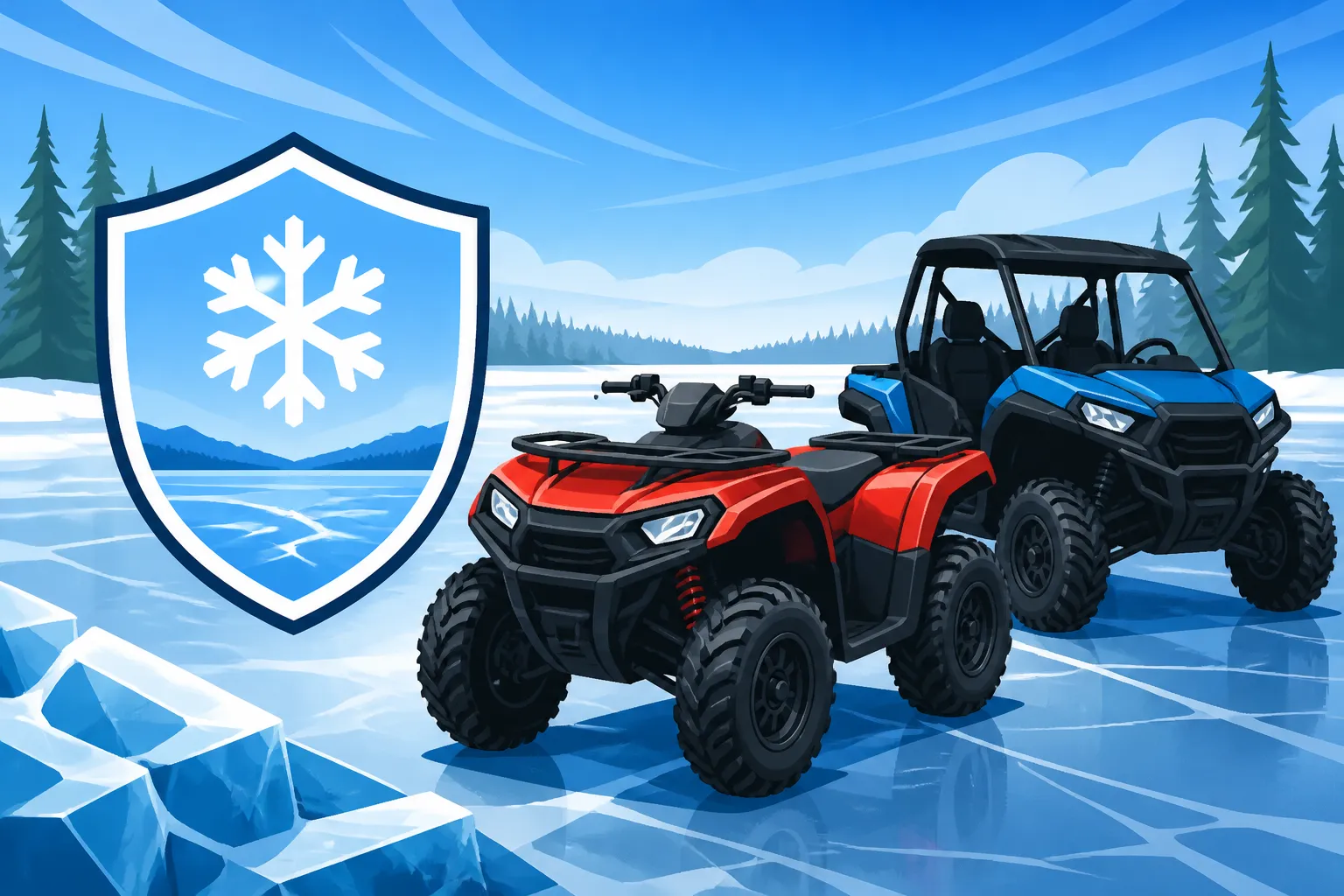
The thrill of carving across a vast, snow-covered frozen lake on your ATV or UTV is a quintessential Manitoba winter experience. The sheer openness, the crisp air, and the unique perspective of the landscape can be absolutely exhilarating. However, this magnificent playground comes with its own set of serious challenges and legal responsibilities that every rider must understand before venturing onto the ice. This guide will take a deep dive into everything you need to know to safely and legally enjoy riding on Manitoba's frozen lakes, from understanding ice conditions to essential gear and local regulations.
The Icy Allure: Why Frozen Lakes Call to Riders (and the Dangers They Hide)
There's something uniquely captivating about the expanse of a frozen Manitoba lake. For many riders, it represents unparalleled freedom and an opportunity to explore in a way that simply isn't possible during the warmer months. But beneath that gleaming surface lies a world of unpredictable dangers that demand respect and careful preparation.
The Undeniable Appeal of Open Ice Riding
Imagine the engine humming, the snow spraying behind your tires or tracks, and nothing but wide-open space stretching out before you. That's the dream of frozen lake riding. It's a feeling of unrestricted movement, a stark contrast to the often narrow, winding trails of the bush. Riders are drawn to the chance to hit higher speeds, cover vast distances, and access remote areas that are otherwise inaccessible. It's not uncommon to see groups of riders heading out to distant ice fishing spots, exploring hidden coves, or simply enjoying the unique sensation of floating across what was once a deep body of water.
Beyond the pure adrenaline, there’s a quiet beauty to it as well. The stark white landscape, the way the sunlight glints off the snow and ice, and the panoramic views can be breathtaking. For many Manitobans, winter recreation on the lakes is a deeply ingrained part of our culture, whether it's ice fishing, skating, or, increasingly, off-road vehicle adventures. It offers a chance to see familiar landscapes from an entirely new perspective, to connect with the raw power of winter, and to experience a level of solitude or camaraderie with fellow riders that's hard to find elsewhere. The allure is undeniable, but it's an allure that demands a healthy dose of caution.
The Silent Threats Beneath the Surface
While the open ice promises adventure, it also harbours silent and often invisible threats. It's a critical mistake to assume that because a lake is frozen solid in one spot, it's safe everywhere. Ice conditions can vary dramatically across a single body of water, and what appears solid can give way in an instant. Factors like currents, underwater springs, varying depths, and the presence of submerged structures can all lead to dangerously thin spots. For instance, river mouths, narrows, and areas around islands often have currents that prevent stable ice formation.
Snowfall itself, while beautiful, can be a deceptive blanket. A heavy layer of snow insulates the ice, slowing its growth and sometimes hiding slushy layers or pressure ridges – areas where the ice has buckled and fractured due to expansion and contraction. What looks like a smooth, unbroken surface could actually be a series of dangerous cracks or areas where the ice is only a few inches thick. Even seasoned riders and ice fishers get a knot in their stomach when venturing onto early or late season ice because the conditions are so dynamic. The biggest, most immediate danger, of course, is falling through the ice. The shock of the cold water, the weight of winter clothing, and the rapid onset of hypothermia make self-rescue incredibly difficult and often fatal without proper gear and immediate assistance.
Gearing Up for the Great White Expanse: Personal and Machine Safety
Preparing for a frozen lake adventure goes far beyond just gassing up your machine. It requires meticulous attention to both personal safety gear and the readiness of your ATV or UTV. The environment is unforgiving, and being unprepared can turn an exciting outing into a dire emergency.
Your Personal Lifeline: Essential Winter Safety Gear
When you're out on a frozen lake, especially far from shore, you are truly in a remote environment. The right personal safety gear is your first line of defence against the inherent risks of cold weather and uncertain ice. Top of the list should be a flotation suit or personal flotation device (PFD) worn under your outer layers. These suits are designed to keep you buoyant and provide critical thermal protection if you go through the ice, significantly increasing your survival time. Equally important are ice picks, which are small, spiked handles worn around your neck, allowing you to claw your way out of the water onto the ice.
Beyond these life-saving items, communication is paramount. Carry a fully charged cell phone in a waterproof, insulated case, and always bring an external battery pack – cold drains batteries quickly. For areas with spotty cell service, consider a satellite messenger or phone. A reliable GPS unit, ideally with pre-loaded maps of the lake and surrounding area, is critical for navigation, especially in whiteout conditions where visibility can drop to zero in moments. You should also pack a comprehensive first-aid kit, waterproof matches or a lighter, a fire starter, an emergency blanket, high-energy snacks, and plenty of water in an insulated container. Staying hydrated is vital, even in cold weather. Layers of warm, moisture-wicking clothing are essential to manage your body temperature as conditions change throughout the day. And don't forget an emergency whistle to attract attention if needed.
Arming Your Machine for the Ice Challenge
Your ATV or UTV needs to be just as prepared as you are for the rigours of ice riding. Before every trip, perform a thorough pre-ride inspection. Ensure your fuel tank is full, and consider carrying extra fuel in a proper, spill-proof container. Check all fluid levels, examine your battery and charging system, and inspect your tires. While some riders might opt for slightly lower tire pressure for increased flotation on snow, ensure they are in good condition with no cracks or excessive wear. For ultimate traction on slick ice or deep snow, specialized tracks can be a game-changer, offering superior grip and flotation over traditional tires.
Recovery gear is absolutely non-negotiable when venturing onto a frozen lake. A powerful and reliable winch, such as those offered by SuperATV, mounted to your machine can be an absolute lifesaver. Whether you're stuck in deep snow, thick slush, or need to assist a buddy, a strong winch can extract you from difficult situations. Always carry heavy-duty tow straps, a sturdy shovel, and an axe or ice spud for testing ice thickness. Ensure all your lights are in working order, and consider adding extra auxiliary lighting for improved visibility, especially if you plan to be out near dusk or dawn. Remember that even on the ice, your machine needs to comply with [Manitoba Spark Arrester Requirements] to prevent potential wildfires, which can be an issue in surrounding shorelines even in winter, or to reduce emissions. Finally, a basic tool kit with spare parts like a belt, spark plugs, and fuses can save a long walk back to civilization if you encounter a minor mechanical issue.
Navigating the Legal Landscape: Rules and Responsibilities on Frozen Waters
While a frozen lake might feel like an untamed wilderness, it is still subject to the laws and regulations that govern off-road vehicle use in Manitoba. Understanding these rules is not just about avoiding fines; it's about ensuring your safety and the safety of others who share these unique winter spaces.
Registration, Insurance, and the General Operating Rules
It’s a common misconception that because you’re not on a designated trail or roadway, the rules don’t apply. This simply isn't true. Any ATV or UTV operating on a frozen lake in Manitoba must be properly registered with [Manitoba ORV Registration Through MPI]. This registration ensures that your machine is recognized by the province and helps fund crucial programs, including trail maintenance. When you're out on the ice, you must carry your [Manitoba Registration Cards Carried at All Times]. An officer can ask to see these documents at any time, just as they would on a land-based trail.
Beyond registration, [Manitoba's Liability Coverage Requirement] is absolutely critical. While the basic coverage included with your registration provides minimal liability, many riders choose to increase their coverage significantly. Imagine the potential costs if your machine falls through the ice and causes environmental damage, or if you're involved in a collision with another ice user. Enhanced liability coverage protects you from financial ruin in such scenarios. Furthermore, all general operating rules under the Off-Road Vehicles Act still apply. This includes wearing an approved helmet – remember, [Manitoba Helmet Law and Its Exemptions] applies to all ORV operation. Speed limits, especially when near dwellings (which can include ice fishing shacks or cabins on shore), and general safe operating practices are enforced. Violations like [Manitoba Careless Operation Penalties] can lead to hefty fines and even court costs, even when you're far out on a lake.
Respecting the Environment and Other Lake Users
Frozen lakes are shared spaces, not just for ORV riders. Ice fishers, cross-country skiers, snowmobilers, and even pedestrians enjoy these areas. It is every rider's responsibility to operate their machine respectfully and to minimize their environmental impact. Always maintain a safe and courteous distance from ice fishing shacks, groups of people, or other recreational users. Blasting past an ice fisher at high speed, kicking up snow and noise, is not only rude but can also be dangerous. Be mindful of potential [Manitoba Noise Complaints About Quads] – even on a large lake, excessive noise can carry far and disturb others.
Environmental considerations are also vital. Avoid riding in sensitive areas, such as shoreline habitats where wildlife might be seeking shelter, or areas known for delicate ecosystems. Never leave garbage, fuel containers, or any debris on the ice. Any spills or litter become an environmental hazard once the ice melts. If the lake you are riding on is within or adjacent to a provincial park, remember that [Manitoba Provincial Park Machine Rules] will apply, which often means designated routes only or complete restrictions in certain areas. Always consult park-specific regulations before venturing out.
Mastering the Ice: Practical Tips for Safe and Enjoyable Lake Riding
Riding on a frozen lake offers an unparalleled sense of adventure, but it demands a proactive approach to safety and a deep respect for the environment. By adopting best practices, you can maximize your enjoyment while minimizing the risks.
How to "Read" the Ice and Plan Your Route
The cardinal rule of ice safety is simple: if in doubt, stay off. Never assume the ice is safe. Conditions can change rapidly, and what was solid yesterday might be treacherous today. Always consult multiple sources for local ice conditions. This can include talking to experienced locals, checking local bait shops, online forums, or even contacting the provincial conservation office. Avoid venturing out during "first ice" (early winter) or "late ice" (spring), as these are the most unpredictable times.
Learning to "read" the ice is a critical skill. Clear, blue ice is generally the strongest, while milky white ice is weaker due to air bubbles. Grey or dark ice indicates melting or water-soaked ice and should be avoided entirely. Snow cover can also be deceptive, hiding thin spots, slush, or dangerous pressure ridges. Always use an ice auger or a spud bar to regularly check ice thickness as you travel, especially when entering new areas or approaching features like river mouths, inlets, or islands. Plan your route carefully, avoiding known current areas or locations where water depths change abruptly. Having your route plotted on a GPS, perhaps mounted with a sturdy SuperATV mount, can be invaluable for maintaining your bearing, especially if a whiteout rolls in.
Here's a general guideline for ice thickness, but always verify local conditions:
| Ice Condition | Minimum Thickness (Inches) | Recommended Activity | Notes |
|---|---|---|---|
| Pedestrians/Ice Fishing | 4 | Walking, ice fishing | Clear, solid ice only. Avoid slush or cracks. |
| Snowmobiles/ATVs | 5-7 | Single machine travel, light loads | Use extreme caution. Never ride alone. |
| Medium Cars/Light Trucks | 8-12 | Driving a vehicle, heavier loads | Requires thorough checking. Avoid areas of unknown depth. |
| Heavy Trucks/Large Groups | 12-15+ | Heavy equipment, larger gatherings | Rarely applies to ORVs. Only for designated ice roads/events. |
Group Riding, Communication, and Emergency Protocols
Riding on frozen lakes should never be a solo activity. Group riding significantly enhances safety by providing immediate assistance in case of an emergency. When planning your outing, [Manitoba Group Ride Planning] is crucial. Ensure everyone in your group knows the route, has proper gear, and understands the emergency plan. Stay together, maintaining visual contact, and establish clear hand signals for communication, especially if engine noise or distance makes verbal communication difficult. Designate a leader and a sweep rider to ensure no one gets left behind.
Have a clear protocol for what to do if someone goes through the ice. The immediate steps are critical: call for help (if possible), do not rush towards the hole, but instead use ropes, throw bags, or long poles to reach the person while spreading your weight on the ice. Focus on getting the person out of the water quickly and into dry, warm clothing to combat hypothermia. Every minute counts. Knowing [Manitoba Accident Reporting Rules] is also essential, as any serious incident, especially involving injury or property damage, must be reported to the authorities.
The "What Ifs" – Contingency Planning
Despite all precautions, things can still go wrong. Having a solid contingency plan for various "what if" scenarios can be the difference between a minor inconvenience and a life-threatening situation. What if your machine breaks down miles from shore? This is where your repair kit, spare parts, and the SuperATV winch come into play. Being able to self-recover or assist a stranded companion is invaluable. For more complex mechanical failures, having a plan for towing or calling for a pickup is crucial.
Whiteouts are another major concern on large, open lakes. A sudden snow squall can reduce visibility to zero in mere moments, making it impossible to distinguish between the ice and the sky. If you get caught in a whiteout, the best practice is often to stop, stay put, and wait for it to pass. Rely on your GPS to avoid getting disoriented. Always carry extra fuel – getting stranded with an empty tank in the middle of a frozen lake is a terrifying prospect. Pack emergency shelter, such as a tarp or survival tent, and extra fire-starting supplies. Finally, and perhaps most importantly, always tell someone reliable your route, your destination, and your estimated return time before you head out. This "float plan" allows someone to initiate a search if you don't check in as expected, ensuring help can be dispatched if you encounter trouble on Manitoba's magnificent, yet demanding, frozen lakes.
Disclaimer
This article is for general informational purposes only and does not constitute professional advice. Laws, prices and regulations vary by location and change over time. Consult a qualified professional for guidance on your specific situation.