Manitoba Rules for Riding a Shoulder
It can be incredibly confusing trying to figure out where you're actually allowed to ride your ATV or UTV in Manitoba, especially when it comes to the edges of our roads. Many riders assume a shoulder is fair game, or just like a ditch, but the truth is far more specific and restrictive. This guide will walk you through Manitoba's nuanced rules regarding off-road vehicles on road shoulders, helping you understand exactly when and how you can legally use them, primarily focusing on the agricultural exemption.
Understanding Manitoba's General Road Rules for ORVs
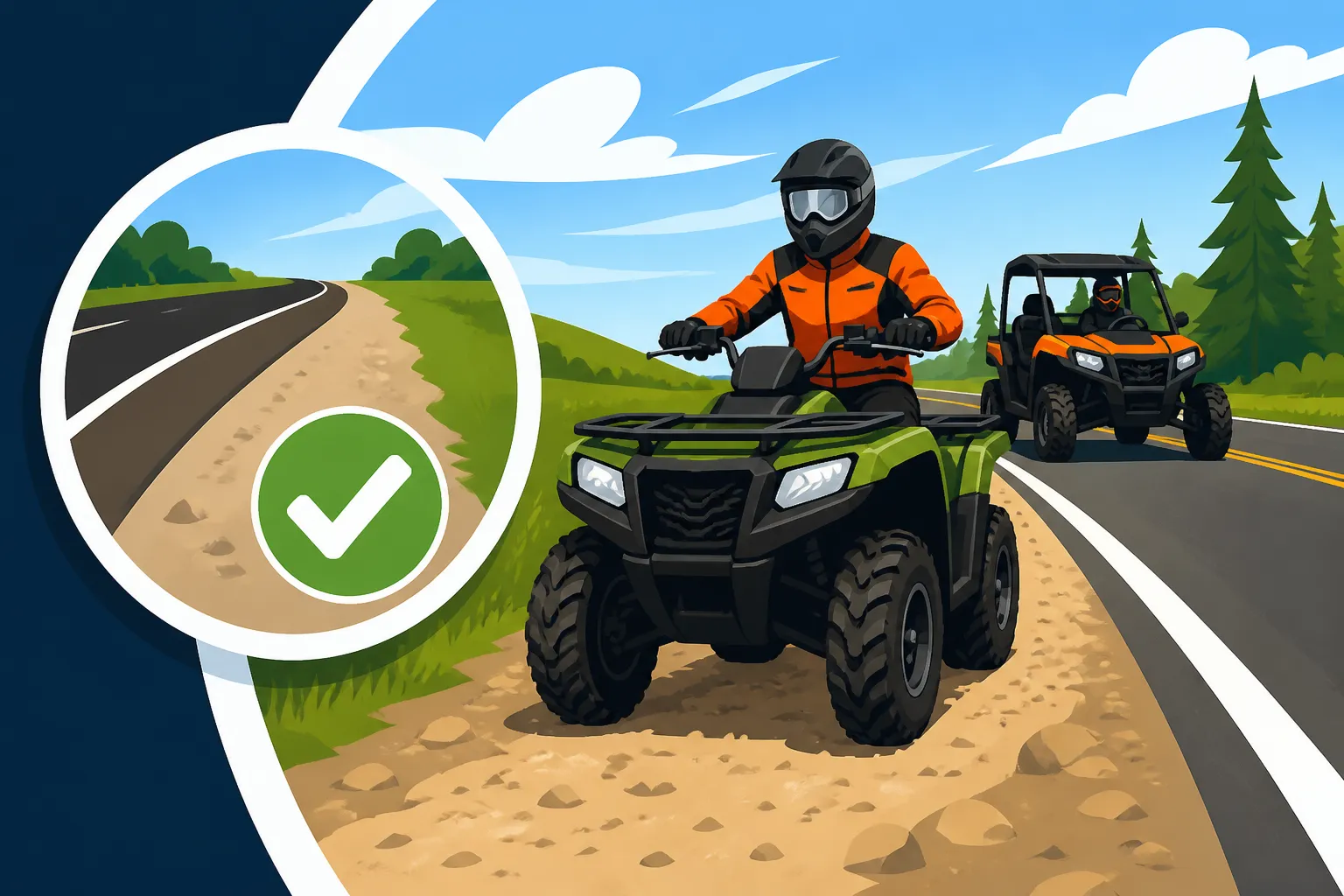
Let's clear up a major misconception right from the start: generally speaking, off-road vehicles (ORVs) like ATVs and UTVs are not permitted on Manitoba roadways or their shoulders. This isn't just a suggestion; it's a fundamental principle embedded in the province's Off-Road Vehicles Act. The intention behind this rule is pure and simple: public safety. Our highways and municipal roads are designed for vehicles that meet specific on-road safety standards, can keep up with traffic speeds, and offer predictable handling in a mixed-traffic environment. ORVs, by their very nature, are built for different terrain and conditions, making them a poor and potentially dangerous fit for paved or gravel road surfaces where cars and trucks travel at higher speeds.
This strict general prohibition can be a source of frustration for many rural riders who see a wide, empty shoulder and think it's a harmless shortcut or a convenient way to get from one field to another. However, the law makes no distinction based on convenience or perceived safety in most cases. Whether it's a busy provincial highway or a quiet gravel road, the default rule is that your ORV does not belong on the main travel lanes or the shoulder beside them. The province aims to minimize interactions between fast-moving on-road vehicles and slower, less predictable ORVs to reduce the risk of serious accidents.
It's also worth noting that this general ban extends beyond the physical road surface. It includes areas like medians, interchanges, and even sidewalks, none of which are appropriate or legal for ORV travel. This overarching principle means that unless there's a very specific, explicitly stated exception, you should assume that any part of a public road infrastructure is off-limits. Understanding this baseline is crucial before we dive into the one primary exception that does allow shoulder riding in very particular circumstances. If you're looking for more general information on where you can't ride, check out [Manitoba Bans Riding on Roadways].
Why Most Shoulders are Off-Limits
The primary reason most shoulders are off-limits to ORVs is the inherent design and function of these vehicles versus the safety requirements of road travel. ORVs typically have a higher center of gravity, knobby tires designed for grip on soft terrain, and often lack features common on road vehicles like turn signals, rearview mirrors, and protective enclosures. These characteristics, while excellent for trails or farm fields, can make them unstable, difficult to see, and unpredictable when interacting with cars and trucks on a hard, paved surface. Imagine trying to make an emergency stop on an ATV on asphalt next to a transport truck—it's a recipe for disaster.
Furthermore, shoulders are not always as empty or as safe as they appear. They can be used by cyclists, pedestrians, or even other vehicles pulled over in an emergency. They might have debris that's been swept off the main roadway, or abrupt changes in surface level that could be dangerous for an ORV. Allowing ORVs indiscriminately on shoulders would introduce a new layer of risk and complexity for all road users, including the ORV operator. The province has decided that this risk is generally unacceptable, prioritizing the safety and smooth flow of conventional traffic.
This isn't to say that all ORVs are inherently unsafe; rather, it's about matching the right vehicle to the right environment. Just as you wouldn't take a sports car mudding, you shouldn't typically operate an ATV or UTV on a highway shoulder. The rules are there to protect everyone, including riders who might not fully appreciate the dangers until it's too late. It’s a bitter pill to swallow for some, especially those in rural areas, but it's important to remember that these regulations are a part of a larger framework designed to ensure everyone's safety on public lands and thoroughfares.
The Clear Distinction from Ditch Riding
It's really important to distinguish between riding on a road shoulder and riding in a road ditch, because while both are adjacent to the main roadway, the rules and reasons behind them are quite different in Manitoba. Many riders mistakenly lump the two together, but the Off-Road Vehicles Act treats them as separate entities with distinct regulations. Generally, ditch riding is much more permissible, albeit with its own set of rules and conditions, such as staying to the right of the roadway and travelling in the same direction as traffic. This allowance for ditch riding often leads to the assumption that shoulders must be similar, but that's simply not the case. [Manitoba Ditch Riding Rules] provides a more in-depth look at where you can actually ride a ditch.
The physical difference plays a big role in the legal distinction. A ditch, by its nature, is usually separated from the main flow of traffic by a significant grade or distance, often being a grassy or unmaintained area. This separation reduces the risk of direct collision with on-road vehicles. A shoulder, on the other hand, is directly contiguous with the main travel lane, often paved or graveled, and acts as an extension of the road itself, even if it's not meant for continuous travel. This proximity significantly increases the risk profile for ORVs.
Think of it this way: ditches often serve as natural corridors that can be less disruptive to other traffic, while shoulders are more integrated into the active roadway environment. The province understands that rural life often requires off-road travel, and ditches can sometimes provide a safer, alternative path away from high-speed traffic, given the right circumstances and adherence to rules. Shoulders, however, are a different beast entirely, requiring a much more specific and limited exception.
The Agricultural Shoulder Exception: What It Means
Now, for the big exception! While the general rule is "no ORVs on shoulders," Manitoba does make a specific, vital allowance for agricultural purposes. This exception is a lifeline for farmers and those involved in agricultural operations, recognizing that sometimes, the most direct and practical way to move equipment or access fields might involve a brief stretch on the shoulder of a provincial or municipal road. However, this isn't a carte blanche to ride anywhere, anytime. The rules are quite precise, designed to balance the operational needs of the agricultural community with the paramount concern for public safety.
The key here is the word "agricultural." This exemption is specifically for activities directly related to farming, ranching, or other recognized agricultural pursuits. It’s not for recreational riding, joyrides, or simply cutting across property lines for convenience if you're not engaged in farm work. If you're carrying fence posts, checking livestock, or hauling equipment to a new field, then this exception might apply to you. But if you’re heading out for a Sunday afternoon trail ride, this isn't your ticket to the shoulder.
It's also critical to understand that this exception doesn't override other safety considerations. Even when operating under the agricultural exception, you still have a responsibility to operate your ORV safely, be highly visible, and minimize any potential disruption or hazard to other road users. This is where proper equipment and vigilant riding come into play. It's about recognizing that while the law allows for this specific use, it's still a compromise that requires heightened awareness and responsibility from the ORV operator.
Who Qualifies for This Exception
The agricultural shoulder exception in Manitoba is not for just anyone with an ORV. It's specifically tailored for individuals who are actively engaged in bona fide agricultural operations. This means you need to be a farmer, a rancher, or someone directly involved in the day-to-day work of a farm. This could include employees of a farming operation, as long as their use of the ORV on the shoulder is directly related to their work duties. It's about the purpose of the ride, not just the ownership of the machine. If you're using your ATV or UTV to move machinery, transport tools, check crops, or manage livestock, you're likely within the spirit of this exemption.
Let's imagine a common scenario: a farmer needs to move a small piece of equipment, like a post-hole auger or a sprayer attachment, from one field to another across the road. Instead of trailering a large truck and trailer for a short distance, which can be time-consuming and cumbersome, they might opt to use their UTV with a cargo bed. If this UTV is equipped with appropriate signage and is being operated safely for this agricultural task, then the shoulder exception would generally apply. This acknowledges the practical realities of farming in rural Manitoba, where properties can be split by roads and quick, efficient movement of small equipment is essential.
It’s important to emphasize that simply owning a property zoned for agriculture or having a few chickens in your backyard does not automatically qualify you for this exception for all ORV use. The activity must be directly linked to commercial or substantial agricultural production. Riding your quad down the shoulder to visit a neighbour, even if both of you live on farms, would likely not fall under this exemption if there’s no direct agricultural purpose to that specific trip. An officer would be looking for clear evidence that the ORV's presence on the shoulder is integral to the farm's operations.
What Constitutes "Agricultural Purposes"
Defining "agricultural purposes" might seem straightforward, but it's important to be clear about what the province generally considers legitimate use under this exemption. At its core, it refers to activities directly related to the cultivation of land, raising of livestock, or growing of crops for profit or sustenance within a farming operation. This includes things like seeding, cultivating, harvesting, pest control, irrigation, fence repair, pasture management, and transporting feed, tools, or small farm equipment. It's all about the work of the farm.
Consider a rancher moving small groups of cattle between pastures, using their ATV to direct them. Or a crop farmer checking a distant field for signs of disease or pest infestation. These are classic examples of "agricultural purposes" where using the shoulder might be the most practical and least disruptive way to get the job done. If you're using your UTV to haul a sprayer tank from the yard to a field, you're clearly within the bounds. This exemption acknowledges that these machines are tools of the trade for many in rural Manitoba.
What it generally doesn't include is recreational riding, hunting access (unless directly related to managing farm pests, which is a grey area), or personal errands that aren't tied to the farm's operation. For instance, using your quad on the shoulder to run into the nearest small town for groceries, even if you’re a farmer, would likely not qualify. The activity must directly contribute to the agricultural production or maintenance of the farm. If there's any doubt, it's always best to err on the side of caution and find an alternative route or means of transport.
Requirements for Legally Riding the Shoulder for Agricultural Purposes
So, you've determined your activity falls under "agricultural purposes" and you qualify as an operator. That's a great start, but there are still very specific hoops you need to jump through to legally ride on a shoulder in Manitoba. It's not enough to simply be a farmer doing farm work; your machine must meet certain criteria and you, as the operator, must follow strict rules of engagement. These requirements are in place to ensure that even under this exception, safety remains paramount for both the ORV operator and other road users.
One of the most critical aspects is the machine type itself. The exemption specifically applies to four-wheel drive ORVs. This means your typical two-wheel ATV or dirt bike, even if you’re using it for farm work, doesn't qualify for this shoulder-riding privilege. This distinction likely comes down to stability and cargo-carrying capacity, with four-wheel ORVs generally being more stable and better suited for agricultural tasks that might involve carrying loads. Manufacturers like SuperATV offer a range of utility UTVs and accessories that cater specifically to agricultural use, often with features that make them suitable for these kinds of tasks, but the core rule about the number of wheels remains.
Beyond the machine itself, there are rules about speed, visibility, and operator licensing. These aren't minor details; they are crucial components of the legal framework designed to make these specific shoulder uses as safe as possible. Failing to meet any of these requirements could negate the exemption, leaving you liable for fines or, worse, involved in an accident. Always remember that privilege comes with responsibility, especially when you're operating an ORV in an environment it's not typically designed for.
Four-Wheel-Drive Machines Only
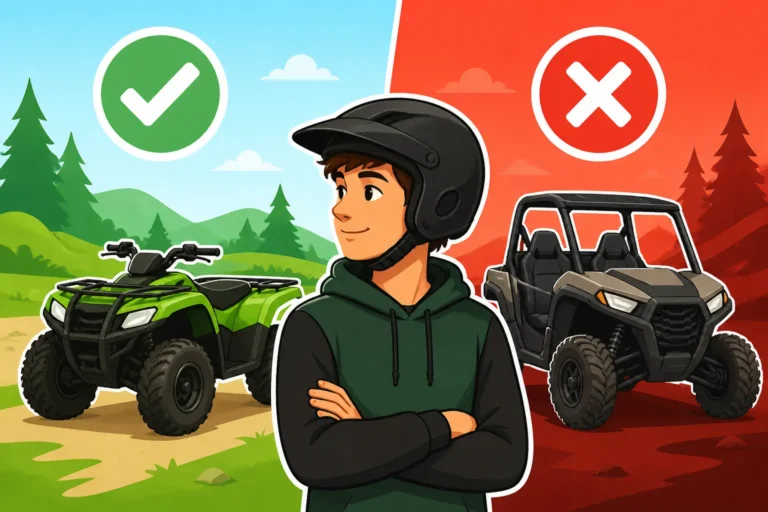
This is a non-negotiable point for the agricultural shoulder exception: the ORV you are operating must be a four-wheel-drive machine. This means your standard two-wheel-drive ATV, dirt bike, or any other two-wheeled off-road vehicle is explicitly excluded from using the shoulder, even for farming activities. The legislation is clear on this, and it’s a distinction that often catches riders by surprise if they haven’t delved into the specifics. So, if you're a farmer using an older two-wheel drive quad to check fences, you'll need to stick to ditches or private land.
Why the emphasis on four-wheel-drive? It largely comes down to stability and control, especially when potentially carrying loads or navigating varying shoulder conditions. Four-wheel-drive ATVs and UTVs generally offer a wider stance and more inherent stability than their two-wheeled counterparts. This enhanced stability is particularly important when operating near moving traffic, where sudden maneuvers or encountering uneven surfaces could otherwise lead to a loss of control. The province likely views these machines as a safer option for the limited interaction with roadways that the agricultural exception permits.
This requirement also tacitly acknowledges that many modern utility ATVs and UTVs used for agricultural purposes are indeed four-wheel drive. These machines are designed for work, often featuring cargo beds, towing capacity, and robust suspensions, making them well-suited for the tasks that necessitate shoulder access. So, before you even consider taking to the shoulder for farm work, double-check that your machine meets this fundamental four-wheel-drive criterion. If it doesn't, you'll need to find an alternative route that doesn't involve the shoulder.
Required Slow-Moving Vehicle Sign
If you're operating your four-wheel-drive ORV on the shoulder for agricultural purposes, you absolutely must display a slow-moving vehicle (SMV) sign on the rear of your machine. This isn't optional; it's a critical safety requirement designed to warn other motorists that your vehicle is traveling significantly slower than regular road traffic. The triangular, fluorescent orange sign with a red reflective border is universally recognized as an indicator of slow-moving equipment, giving drivers ample time to react and adjust their speed. [Manitoba Slow-Moving Vehicle Signs] has more information on what these signs entail.
Imagine you're driving a car down a rural highway and come upon an ORV on the shoulder. Without an SMV sign, you might not immediately register its low speed, leading to a potentially dangerous situation where you approach too quickly. The SMV sign acts as a visual alarm, immediately signaling to drivers that they need to exercise caution and prepare to slow down or pass with care. This is especially vital on shoulders where vehicles can sometimes be partially obscured or where visibility might be reduced due to curves or hills.
Ensuring your SMV sign is properly affixed, clean, and clearly visible is part of your responsibility as an operator utilizing this exemption. It should be mounted centrally on the rear of your ORV, at a height that is easily seen by following traffic. Don't let it be covered by mud, cargo, or obstructed by any accessories. A well-placed and visible SMV sign is a simple yet incredibly effective tool for preventing accidents and ensuring everyone's safety when agricultural ORVs are temporarily sharing space with conventional road traffic on a shoulder.
Speed Limit and Operator's Licence
Even when riding on the shoulder for agricultural purposes, you are not exempt from speed limits. In fact, there's a specific limit you must adhere to: your ORV cannot exceed 40 km/h. This speed restriction is in place to further enhance safety, recognizing that even a four-wheel-drive ORV on a shoulder is operating in a higher-risk environment than on a dedicated trail or field. Keeping your speed down allows for better reaction time, both for you and for other motorists who might be sharing the road. It ensures that the speed differential between your ORV and faster-moving traffic isn't so great as to create excessive hazards. [Manitoba's 40 km/h Shoulder Limit] covers this in detail.
Equally important is the requirement for the operator to hold a valid driver's licence. You can't just be any age; you need to be a fully licensed driver. This means no learner's permits, no restricted licences that prohibit ORV operation in these specific contexts, and certainly no unlicensed operation. The logic here is clear: operating a vehicle, even an ORV, on the shoulder of a public road requires a certain level of judgment, understanding of traffic laws, and experience that comes with holding a full driver's licence. It ensures that the person behind the handlebars or steering wheel has demonstrated a basic competency in road safety.
This rule is a crucial check on who can exercise the agricultural shoulder exemption. It means that while a 16-year-old might be able to register an ORV and ride it on trails with parental consent, they may not necessarily be eligible to operate it on a road shoulder for agricultural purposes if they don't hold a full driver's licence. [Manitoba Rules for a 16-Year-Old Rider] provides context on general age requirements, but the shoulder rule adds the specific driver's licence component. These two conditions—the 40 km/h speed limit and the requirement for a valid driver's licence—are foundational pillars of the agricultural shoulder exemption, designed to minimize risk for everyone involved.
Safety Considerations and Best Practices When Riding a Shoulder
Even when you're legally riding a shoulder for agricultural purposes, safety should always be your absolute top priority. The shoulder is still a part of the road environment, and you're interacting with much faster, larger vehicles. Relying solely on the legal exemption isn't enough; you need to actively employ best practices to ensure your own safety and the safety of those around you. This means being proactive, highly visible, and constantly aware of your surroundings.
Think of it like this: while the law allows you to be there, it doesn't make it risk-free. You are the one operating a vehicle that is inherently less visible and less agile than the cars and trucks sharing the road. Therefore, you bear a significant responsibility for defensive driving and making your presence known. This isn't the time to be distracted by your phone or to take your eyes off the road. It's about being fully engaged and hyper-vigilant.
This section isn't just about avoiding tickets; it's about avoiding accidents, injuries, and even fatalities. By adopting a safety-first mindset and implementing these best practices, you can dramatically reduce the risks associated with operating an ORV on a road shoulder, even for legitimate agricultural purposes. Your life, and the lives of others, depend on it.
Maximizing Your Visibility
One of the biggest challenges when operating an ORV on a shoulder is ensuring that other drivers can see you, especially given the size and profile of most ATVs and UTVs. Maximizing your visibility is paramount. This means more than just having the required SMV sign; it means actively making yourself as conspicuous as possible. Wearing bright, high-contrast clothing is a great start. Fluorescent greens, oranges, and yellows stand out much more than dark colours, especially during dawn, dusk, or in overcast conditions. Some riders even opt for reflective vests over their riding gear for an added layer of visibility.
Consider equipping your ORV with additional lighting, even if it's not strictly mandated for shoulder use. Auxiliary LED lights, strobe lights (where legal and appropriate for slow-moving vehicles), or even flag whips with reflective material can significantly increase your presence on the road. Brands like SuperATV offer a variety of lighting accessories that can be easily added to most UTVs, providing extra illumination and ensuring you're seen from a greater distance. It's an investment in your safety. Always ensure your headlights and taillights are clean and functioning perfectly.
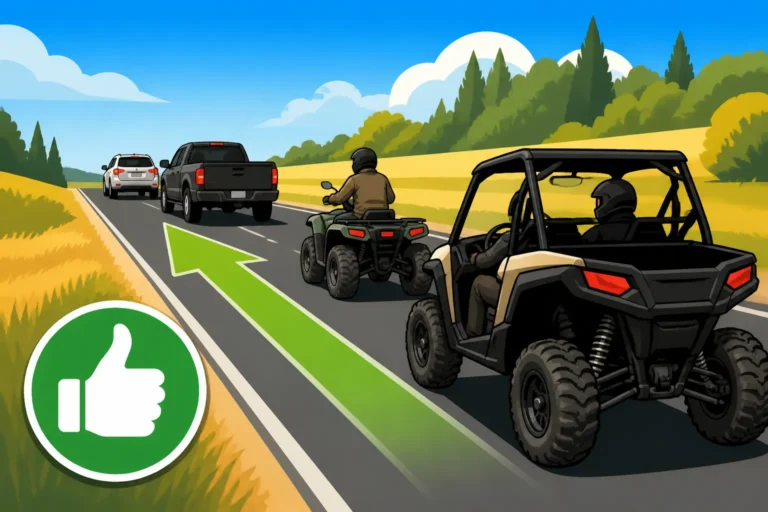
Finally, be mindful of your position on the shoulder. While you're allowed to use it, try to maintain a consistent path as far to the right as safely possible, without getting so close to the ditch that you risk tipping or losing control. Avoid sudden swerves or erratic movements. Signal your turns well in advance, even if you only have hand signals on your particular machine. The goal is to be predictable and easy to spot, giving other drivers maximum time to see you and adjust their driving accordingly.
Exercising Extreme Caution
Riding an ORV on a shoulder, even for agricultural purposes, is inherently more dangerous than riding on a dedicated trail or private land. Therefore, you must exercise extreme caution at all times. This means maintaining a constant awareness of your surroundings, both ahead and behind you. Frequently check your mirrors (if equipped) or perform head checks to monitor traffic approaching from the rear. Don't assume that because you're on the shoulder, drivers will automatically see you or give you a wide berth. Many drivers are simply not expecting an ORV on the shoulder and might be distracted.
Be especially wary at intersections, driveways, and when crossing any part of the roadway. These are common points of collision for all vehicles, and the risks are amplified for an ORV due to its size and speed differential. When approaching an intersection, slow down, be prepared to stop, and make eye contact with drivers if possible to ensure they see you. Always assume you are invisible until proven otherwise. [Manitoba Crossings Need a Clear View] offers advice for crossing roads in general, which applies with even more weight when using a shoulder.
Road shoulders themselves can be unpredictable. They might have potholes, loose gravel, debris, or a soft edge that could cause an ORV to lose traction or become unstable. Continuously scan the shoulder surface for hazards and adjust your speed and path accordingly. Never ride with headphones that might obscure the sound of approaching traffic or emergency sirens. Your full attention needs to be on the task of safely operating your ORV in a challenging environment. It's a high-stakes game where vigilance is your best defense.
Respecting Road Users and Property
Operating an ORV on a shoulder means you're sharing space with other road users, and it's absolutely crucial to show them respect and courtesy. This includes conventional vehicles, cyclists, and pedestrians. Remember that the shoulder is primarily there for emergency stopping or for the temporary use of slower vehicles like farm equipment, not as an extension of an ORV trail network. Your presence should be as unobtrusive and safe as possible. Yield to other traffic whenever necessary, and never try to assert your right-of-way if it means creating a dangerous situation.
Beyond other road users, it's also important to respect adjacent private property. While you might be legally on the shoulder, that doesn't give you permission to stray onto private land or disturb property owners. Avoid creating excessive noise, kicking up dust, or leaving ruts. If your agricultural work requires access to private land off the shoulder, ensure you have explicit permission from the landowner beforehand. The reputation of all ORV riders is often shaped by the actions of a few, so be a good ambassador.
Finally, always be prepared for an encounter with law enforcement. An officer might pull you over to verify that your ORV use on the shoulder is indeed for agricultural purposes, that you have your valid driver's licence, and that your machine is properly equipped with an SMV sign. Be polite, cooperative, and have your registration and licence readily available. Showing respect to officers and demonstrating that you understand and follow the rules goes a long way. [Manitoba Equipment Checks by Officers] explains what they might be looking for.
Summary of Shoulder Riding Rules
Riding an ORV on a shoulder in Manitoba is not a recreational activity. It's a very specific, limited privilege primarily granted for essential agricultural purposes. Understanding and strictly adhering to the rules is not just about avoiding fines; it's about ensuring your safety and the safety of everyone else on the road.
Here's a quick overview of the key points to remember:
| Rule Category | Requirement |
|---|---|
| General Rule | ORVs are not permitted on roadways or shoulders (with the single exception below). |
| Purpose of Use | Must be for bona fide agricultural purposes only (e.g., farming, ranching duties). |
| Operator Qualification | Must hold a valid driver's licence. |
| Machine Type | Must be a four-wheel-drive ORV (ATVs, UTVs). Two-wheelers are excluded. |
| Visibility | Must display a Slow-Moving Vehicle (SMV) sign on the rear. Consider additional bright clothing/lights. |
| Speed Limit | Maximum speed of 40 km/h. |
| Safety Practice | Exercise extreme caution, be highly visible, and constantly aware of surroundings. |
| Respect | Yield to other traffic, respect private property, and be cooperative with law enforcement. |
Remember, this exemption is narrow. If you're not actively engaged in agricultural work with a four-wheel-drive ORV, displaying an SMV sign, maintaining the speed limit, and holding a valid driver's licence, you should not be on the shoulder. Always seek out alternative routes on private land or designated trails if your activity doesn't fit these strict criteria. Your due diligence protects not only you but also the future of ORV riding in our beautiful province.
Disclaimer
This article is for general informational purposes only and does not constitute professional advice. Laws, prices and regulations vary by location and change over time. Consult a qualified professional for guidance on your specific situation.