How a Roll Cage Excuses the Helmet Rule
Riding off-road in Manitoba can be an incredible experience, but the rules around safety gear, especially helmets, can feel like a tangled web of confusion. Many riders, particularly those with Side-by-Sides (UTVs), wonder if they always need to wear a helmet, even when their machine feels inherently safer with its built-in protection. This guide is here to untangle those specific regulations, showing you precisely how a properly equipped roll cage can provide an exemption from the mandatory helmet law, helping you ride confidently and legally.
Understanding Manitoba's General Helmet Law for ORVs
Let's face it, nobody wants to get a ticket or, more importantly, get hurt. Manitoba's Off-Road Vehicles Act is designed to keep everyone as safe as possible on the trails, in the bush, and even when simply crossing a road. For the vast majority of off-road enthusiasts, wearing a helmet is not just a good idea; it's the law.
Who Must Wear a Helmet and Why
When you picture an off-road rider, often the first image that comes to mind is someone on a quad or a dirt bike, decked out in gear, including a helmet. And for good reason! If you're operating an all-terrain vehicle (ATV), a dirt bike, or certain other types of open-air off-road machines in Manitoba, the law is pretty clear: you need to wear an approved helmet. This applies whether you're ripping through a designated trail, navigating a logging road, or just doing some chores on a remote piece of property. The intent is simple: to protect your head from impact in the event of a fall, collision, or rollover. Think about it – even a low-speed tip-over can result in a serious head injury if you're not protected. This is why you'll often hear about [Manitoba Helmet Law and Its Exemptions] being a major point of discussion among riders.
For riders under a certain age, the helmet rule is even more stringent, with no real exceptions, regardless of the machine type. If you're riding a youth quad or just starting out, that helmet is your best friend. This consistent approach to helmet use for most ORVs aims to standardize safety across various riding conditions and experience levels, ensuring that a basic level of protection is always present. The risk of head trauma is significant in off-road environments, where unpredictable terrain, varying speeds, and potential obstacles are the norm.
The Rationale Behind Helmet Mandates
The province doesn't just make these rules up to be difficult; there's a profound safety philosophy behind them. Helmets are scientifically proven to reduce the severity of head injuries, traumatic brain injuries, and fatalities in accidents. When you're out on an ORV, you're exposed to a dynamic and often challenging environment. You could hit an unexpected bump, encounter loose gravel, or have an animal dart out in front of you. In such scenarios, staying upright and in control isn't always a guarantee. The helmet acts as a crucial layer of defense, absorbing and distributing impact forces that would otherwise directly affect your skull and brain.
Beyond personal safety, these mandates also contribute to public health by reducing the burden on emergency services and healthcare systems. Serious head injuries require extensive medical care, rehabilitation, and can lead to long-term disabilities, affecting not just the rider but their family and community. So, while wearing a helmet might sometimes feel cumbersome, especially on a hot day, it's a small inconvenience compared to the potential consequences of an unprotected head injury. It's about proactive prevention, recognizing the inherent risks of off-road riding, and mitigating them effectively. This emphasis on rider safety is a cornerstone of all ORV legislation, including other vital regulations like [Manitoba ATV Age Requirements] and [Manitoba ATV Insurance Requirements].
The Specific Roll Cage Exemption for UTVs
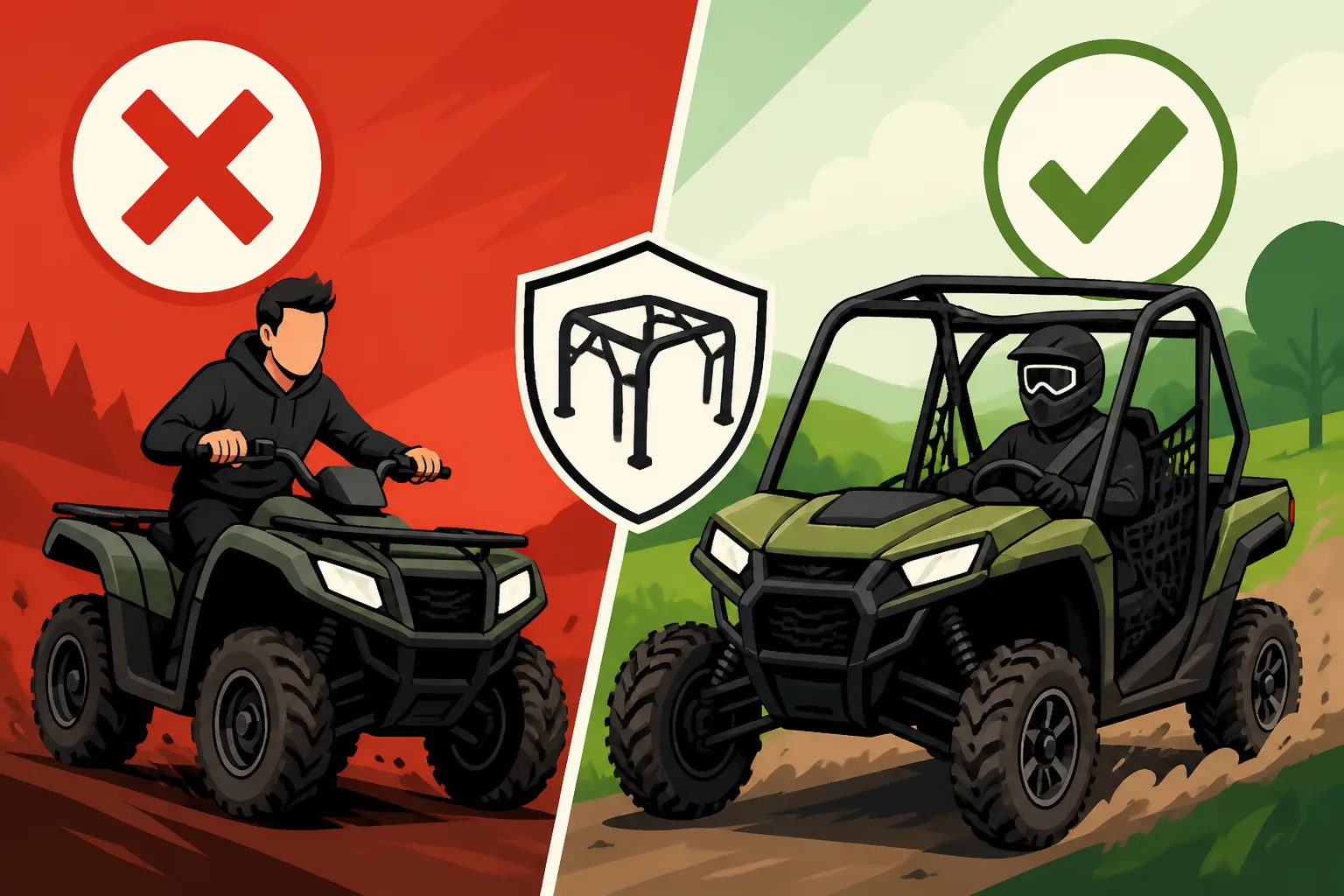
Now, here's where things get interesting, especially for those of us who prefer the stability and passenger capacity of a Side-by-Side. While the general rule is "helmet on," the Manitoba government recognizes that some machines offer a different kind of built-in protection. This is where the roll cage exemption comes into play, primarily for UTVs.
What Constitutes a Qualifying Roll Cage
Not just any old piece of metal bolted onto your UTV will qualify you for a helmet exemption. The law is quite specific: the roll cage must be part of the machine's original design, or a robust, purpose-built aftermarket addition that meets rigorous safety standards. For most modern Side-by-Sides, this isn't an issue. Manufacturers like Polaris, Can-Am, and Arctic Cat design their UTVs with integrated Roll Over Protective Structures (ROPS) that are tested to protect occupants in a rollover event. These factory roll cages are engineered to withstand significant force, maintaining a "safety cell" around the driver and passengers.
If you've modified your UTV or purchased an older model that might not have come with a certified ROPS, you'll need to ensure any aftermarket roll cage meets similar protective standards. Companies like SuperATV offer a range of aftermarket accessories, including enhanced roll cages and bracing, but it's crucial to verify that these modifications genuinely provide the structural integrity required for safety, and ideally, meet recognized industry standards for ROPS. A decorative light bar or a flimsy frame designed primarily for aesthetics won't cut it. An officer inspecting your machine would be looking for a substantial, securely mounted structure designed to prevent crushing injuries in a rollover, similar to the roll bar in a jeep or a safari vehicle. They are looking for genuine occupant protection, not just something that looks tough.
Seat Belts: A Non-Negotiable Partner to the Roll Cage
This is absolutely critical and often overlooked: a roll cage, by itself, does not grant you a helmet exemption. The exemption only applies if the UTV is equipped with a factory-installed or approved aftermarket roll cage and all occupants are properly wearing seat belts. Think of it like a car: the chassis and airbags provide protection, but only if you're buckled in. The seat belt is what keeps you contained within the protective shell of the roll cage during a sudden stop, impact, or rollover. Without it, you could be ejected from the machine or still suffer severe injuries by being tossed around inside the cage.
So, if you're riding your Side-by-Side with its impressive roll cage, make sure every person in the vehicle has their seat belt fastened. This isn't just a suggestion; it's part of the legal requirement for the helmet exemption. Failing to wear seat belts, even with a strong roll cage, means you (and your passengers) are still legally required to wear a helmet. This dual requirement highlights the comprehensive approach to safety: the roll cage protects the space, and the seat belt ensures you stay within that protected space. You can learn more about this by looking into [Manitoba Seat Belt Rules] and [Manitoba Passenger Limits by Design]. It's a system designed to work together, not as individual components.
Beyond the Roll Cage: Other Helmet Exemptions
While the roll cage exemption for UTVs is a big one, it's not the only circumstance where you might legally be able to shed your helmet in Manitoba. The province understands that off-road machines serve a variety of purposes, and not all situations call for the same level of personal protective equipment.
Agricultural and Commercial Use Cases
Manitoba has specific exemptions tailored for those who use their ORVs as essential tools for work. If you're a farmer using your quad or UTV for agricultural purposes on your own land or land you have permission to work, you might be exempt from the helmet requirement. This makes sense when you consider the varied tasks a farmer might perform, often involving frequent dismounting or operating in an environment where a helmet could hinder vision or communication more than it helps. Similarly, commercial fishers and licensed trappers operating within their designated areas, actively engaged in their trade, often receive a similar exemption. The key here is "actively engaged in their trade" – if you're just out for a pleasure ride on your day off, the exemption typically won't apply.
These exemptions are not a free pass, but rather a recognition of the practical realities of certain occupations. For instance, a farmer might be moving livestock, checking fences, or transporting tools in a controlled environment, where the risks might differ from recreational trail riding. It's crucial for anyone relying on these exemptions to understand their specific limits and to be prepared to demonstrate that their activity falls within the defined parameters. [Manitoba Farming and Fishing Helmet Exemptions] and [Manitoba Hunting and Trapping Helmet Exemptions] elaborate on these particular situations, emphasizing that the machine must be used directly in the course of these specific economic activities.
Remote Community and Northern Operations
Another set of exemptions addresses the unique circumstances of living and working in remote and northern parts of Manitoba. In certain designated remote communities, where ORVs are often the primary mode of transportation and essential for daily life, residents may be exempt from wearing helmets. This acknowledges that in areas with limited or no access to all-weather roads, ORVs aren't just recreational vehicles; they're utility vehicles for commuting, hunting, and accessing services.
Furthermore, specific exemptions may exist for certain utility workers, such as Manitoba Hydro crews, operating above the 53rd parallel during certain times of the year. These workers often face unique environmental challenges and might require specific equipment or procedures that make helmet use impractical or even counterproductive in some scenarios. These exemptions are usually narrowly defined, apply to specific geographic areas or job functions, and are designed to balance safety with the practical necessities of life and work in these challenging regions. Riders often have questions about [Manitoba Machines Used Only in a Remote Community] because these rules can be complex. It's always best to check the exact regulations that apply to your specific location and activity, as these can change or have very precise conditions attached.
Practical Implications for Riders and Enforcement
Knowing the rules is one thing; navigating them in the real world is another. When you're out riding, especially if you're relying on an exemption, it's vital to understand what an enforcement officer might be looking for and how you can ensure you're always on the right side of the law.
Proving Your Exemption on the Trail
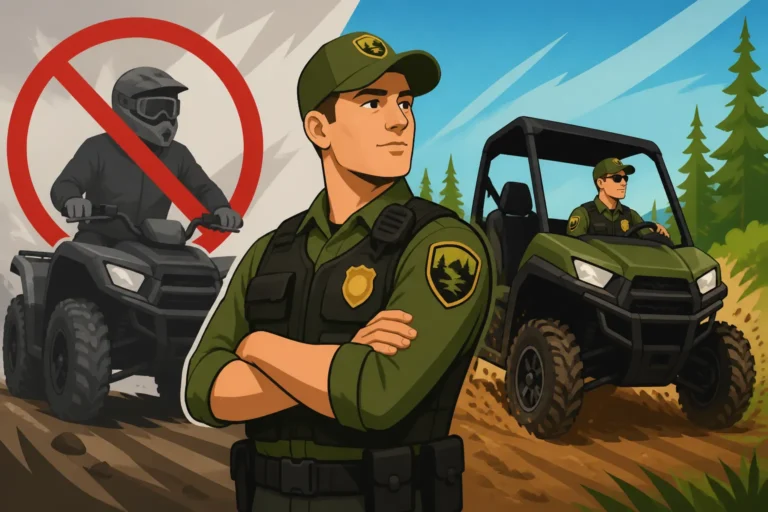
Imagine you're cruising through the Belair Forest in your Side-by-Side, enjoying the fresh air without a helmet, thanks to your UTV's roll cage and your buckled seatbelt. Suddenly, you see a conservation officer or an RCMP vehicle. They pull you over. What happens next? First, stay calm and be cooperative. The officer will likely ask for your registration and proof of age. They'll also be looking at your machine and how you and your passengers are equipped. If you're claiming the roll cage exemption, they'll verify that your UTV indeed has a substantial roll cage (factory or approved aftermarket) and, most importantly, that everyone inside is wearing their seat belt.
For agricultural or commercial exemptions, you might need to explain your activity and potentially show documentation related to your farm, fishing license, or trapline. Having your [Manitoba Registration Cards Carried at All Times] is always a good idea, as it's a basic requirement for all ORV operators. It's about demonstrating compliance on the spot. If your machine's roll cage is an aftermarket addition, be prepared to explain its safety features or perhaps even show documentation (though not legally required, it can help clear up any questions). Officers are trained to identify legitimate safety equipment versus superficial add-ons, so presenting a well-maintained machine with visible, properly worn safety gear goes a long way.
The Importance of Personal Choice and Added Safety
Even with a legitimate exemption, it's crucial to remember that legal compliance isn't always the pinnacle of safety. The law sets a minimum standard. Many experienced UTV riders, even those with robust roll cages and seat belts, still choose to wear helmets, especially when tackling challenging terrain or riding at higher speeds. Why? Because a roll cage protects you from being crushed in a rollover, but it doesn't prevent your head from hitting the inside of the cage, or from impacts from flying debris or low-hanging branches. A helmet offers an additional layer of protection against these types of injuries.
Consider the dynamic forces involved in off-road riding. Even with seat belts, your body can move significantly within the confines of a UTV. A helmet can mitigate concussions or other head injuries from internal impacts. Furthermore, many helmets come equipped with visors or goggles that protect your eyes from dust, insects, and branches, enhancing your overall vision and comfort. Companies like SuperATV also offer windshields and other cabin enclosures that, while not replacing a helmet's direct head protection, contribute to a safer and more comfortable ride. Ultimately, the decision to wear a helmet when legally exempt is a personal one, weighing comfort against potential risk. It’s about understanding that the law defines the minimum, but your personal safety strategy can always aim higher.
Navigating the Broader Landscape of ORV Safety in Manitoba
Understanding helmet exemptions is just one piece of the puzzle when it comes to safe and legal ORV operation in Manitoba. There's a whole framework of rules designed to protect riders, passengers, and the environment.
Age Restrictions and Supervision Requirements
Manitoba takes the safety of young riders very seriously, and age restrictions play a significant role in who can ride what, where, and when. For instance, children under a certain age (typically 14) are often required to be supervised by an adult, and there are specific rules about carrying passengers, especially young ones. The province has clear [Manitoba Age Tiers for Young Riders] that dictate everything from operating an ORV to crossing a highway. These rules are in place because younger riders may lack the physical strength, coordination, judgment, or experience needed to safely operate an ORV, especially in unpredictable off-road conditions.
When a UTV with a roll cage is involved, and you have passengers, paying close attention to these age rules becomes even more important. While the roll cage and seat belts offer enhanced protection, they don't negate the need for mature judgment from the operator. Ensuring that all riders, particularly minors, adhere to age-appropriate machine sizes and always ride under proper supervision is key to preventing accidents and fostering responsible riding habits. Parents signing for owners aged [Parents Sign for Owners Aged 16 to 18] is a common practice, highlighting the responsibility that comes with youth riding.
Equipment and Operating Rules for UTVs
Beyond helmets and seat belts, your UTV needs to meet certain equipment standards to be legal on Manitoba trails and in designated areas. This includes proper lighting – headlights and taillights – that must be used during specific times, typically from half an hour before sunset to half an hour after sunrise, and whenever visibility is poor. Your machine also needs an approved muffler system and a spark arrester, which is critical for preventing wildfires in dry conditions, regardless of the season. [Manitoba Spark Arrester Requirements] are particularly important to follow year-round.
When it comes to operating your UTV, there are rules about passenger limits (only carrying as many passengers as the machine was designed for), safe speeds, and where you can and cannot ride. For example, riding on most roadways is prohibited, though ditch riding rules do exist in specific circumstances. Understanding [Manitoba Bans Riding on Roadways] and [Manitoba Ditch Riding Rules] is crucial for all operators. For UTVs, specifically, the manufacturer's design for seating capacity and safe operation is paramount. Overloading a Side-by-Side or exceeding its intended capabilities can quickly turn a fun ride into a dangerous situation, regardless of how robust your roll cage might be. Adhering to these equipment and operating rules not only keeps you safe but also helps preserve access to the fantastic riding opportunities Manitoba offers by promoting responsible use.
Summary of Helmet Exemptions in Manitoba
To help clarify the various helmet requirements and exemptions we've discussed, here's a quick overview of when a helmet is generally required and when you might be legally exempt in Manitoba. This table is a simplified guide, and specific conditions and nuances always apply, so it's essential to refer to the official regulations for precise details.
| ORV Type / Circumstance | Helmet Required? | Key Conditions for Exemption (if applicable) |
|---|---|---|
| ATVs (Quads) | Yes | No general exemption based on machine design. Limited exemptions for specific work activities or remote communities. |
| Dirt Bikes / Off-Road Motorcycles | Yes | No general exemption. Limited exemptions for specific work activities or remote communities. |
| Side-by-Sides (UTVs) | Generally Yes | EXEMPTION: If the UTV is equipped with a factory-installed or approved aftermarket roll cage (ROPS) AND all occupants are properly wearing seat belts. |
| Snowmobiles | Yes | No general exemption. |
| Agricultural Use (on own/farmed land) | No | Must be actively engaged in farming activities, using the ORV as a tool. |
| Commercial Fishing / Trapping | No | Must be actively engaged in commercial fishing or trapping within designated areas, using the ORV as a tool. |
| Remote Communities | No | Applies to residents within designated remote communities where ORVs are essential for transportation. Specific communities and conditions apply. |
| Manitoba Hydro Crews (North of 53rd parallel) | No | Specific exemption for Hydro employees operating ORVs in designated northern regions for work duties during certain seasons. |
| Riders Under 16 | Yes | Generally, yes, with very few exceptions, as age rules are stringent. [Registering Your First Quad at Age 16] requires careful consideration of all rules. |
Remember, this table provides a snapshot. Always consult the latest Manitoba Off-Road Vehicles Act and associated regulations for the most current and complete information to ensure your compliance and safety.
Disclaimer
This article is for general informational purposes only and does not constitute professional advice. Laws, prices and regulations vary by location and change over time. Consult a qualified professional for guidance on your specific situation.