Manitoba’s 30-Metre Dwelling Rule
It’s a common scenario: you’ve loaded up your quad or side-by-side, eager for some night riding, only to remember that nagging thought about rules for riding near homes. You know there are restrictions, but the specifics can feel like a tangled web, especially when it comes to keeping a respectful distance from dwellings. This guide is going to untangle Manitoba’s 30-metre dwelling rule, explaining exactly what it means for you and your machine, and how you can avoid any headaches while still enjoying your time in the great outdoors.
Understanding the Core of Manitoba's 30-Metre Rule
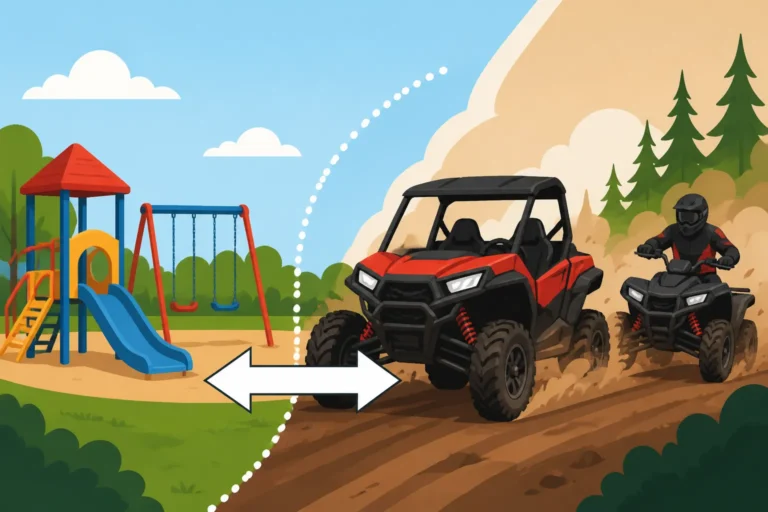
Let's cut right to the chase: the 30-metre dwelling rule in Manitoba is all about ensuring peace and quiet for residents, particularly during those hours when most people are trying to sleep. It’s not an arbitrary number pulled out of thin air; it’s a specific distance established to minimize noise disturbance and protect the privacy of those living near where ORVs might operate.
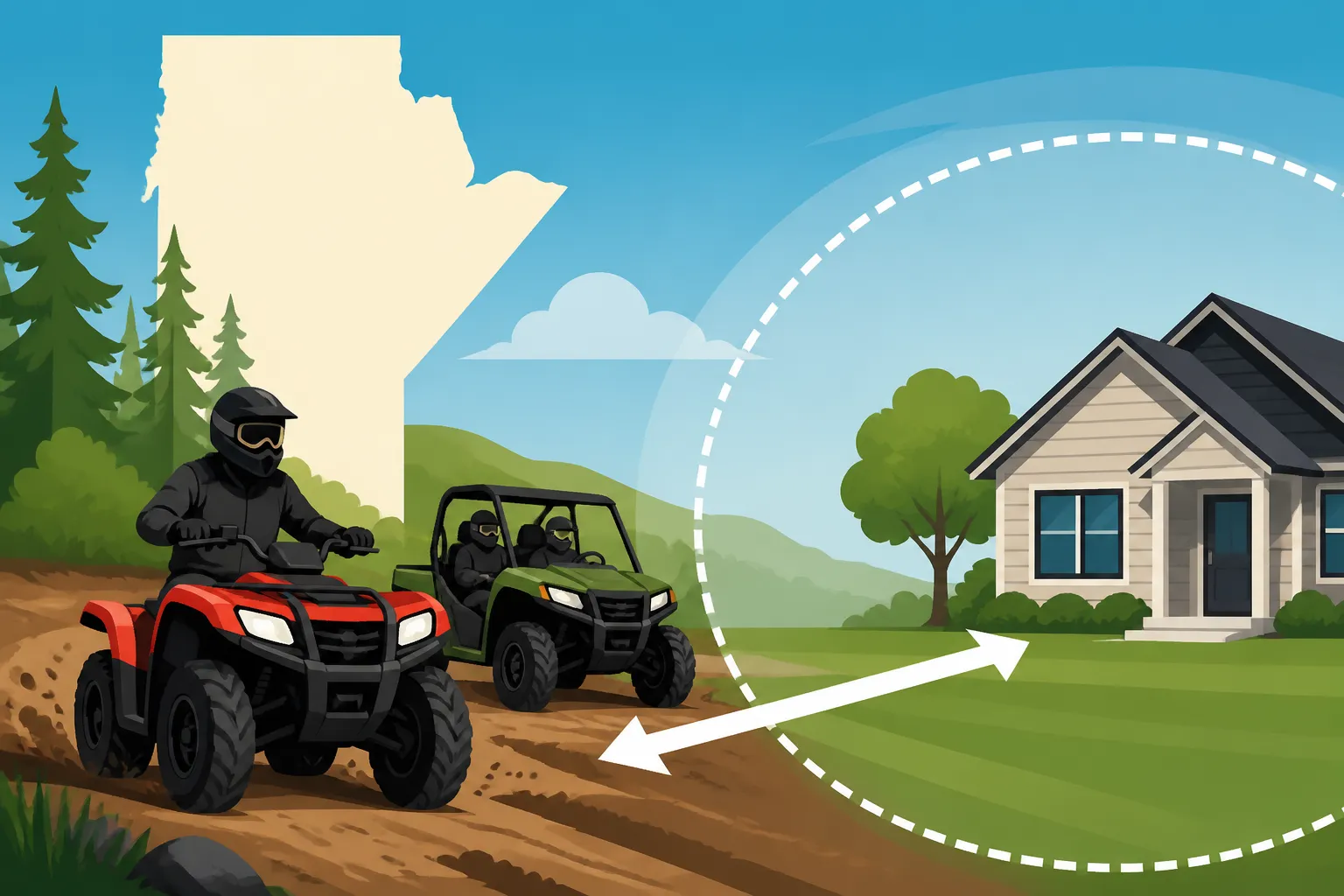
Essentially, the rule states that you cannot operate your off-road vehicle within 30 metres (which is roughly 100 feet, or about two car lengths back-to-back five times) of a dwelling between the hours of midnight and 7 AM. This isn't just a suggestion; it's a legal requirement under the province's Off-Road Vehicles Act. Many riders, especially those new to the sport or visiting from other provinces, might not be aware of this specific time window, leading to unintended infractions. It’s easy to get caught up in the thrill of a late-night ride, but that quiet hum of your engine can quickly become a jarring roar for someone trying to sleep.
The intent behind this rule is simple: mutual respect. While you love the freedom of your ORV, residents in rural and even semi-rural areas value their peace. A roaring engine or the bright lights of an ATV can be incredibly disruptive, especially when it's dark and quiet. This rule helps create a boundary, allowing ORV enthusiasts to enjoy their passion without infringing on the quiet enjoyment of someone's home. Understanding this core principle is the first step to riding responsibly and avoiding conflict with local communities.
What Constitutes a "Dwelling" Under the Act?
This is where some riders get confused. When the Act refers to a "dwelling," what exactly does that encompass? Is it just year-round houses, or does it include seasonal cabins, hunting shacks, or even occupied RVs? The spirit of the law, and its practical application, generally leans towards any structure that is habitable and occupied at the time.
Think of it this way: if someone could reasonably be sleeping there, it's a dwelling. This includes permanent residences, seasonal cottages, hunting cabins, and even recreational vehicles or campers if they are actively being used as a temporary residence. The key isn't necessarily the foundation or the permanence of the structure, but its function as a place where people are living or staying. For example, an empty, boarded-up shack that hasn't seen a human in years probably wouldn't fall under the dwelling rule, but a well-maintained cabin, even if it appears dark, could very well be occupied by someone trying to get some rest.
This broad interpretation means that as a rider, you need to exercise caution and assume that any building that looks like it could house people is indeed a dwelling. It’s always better to err on the side of caution. Imagine you're riding a familiar trail that skirts around some properties you know are usually vacant. One night, a light is on, or a truck is parked there. That changes things. You need to adjust your route or delay your passage until after 7 AM, or ensure you maintain that crucial 30-metre distance. Failing to do so could lead to a grumpy resident making a phone call, and nobody wants that kind of trouble.
The Critical Time Restriction: Midnight to 7 AM
The 30-metre rule isn't a 24/7 ban; it's specifically enforced during a seven-hour window that aligns with most people's sleeping hours. From [The 30-Metre Rule Runs Midnight to 7 a.m.] this period is when operating your ORV within 30 metres of a dwelling is prohibited. Outside of these hours, the 30-metre restriction doesn't apply in the same way, though general noise bylaws and respectful riding practices are always encouraged.
Why this specific timeframe? It's all about minimizing disturbance when noise is most intrusive. During the day, ambient sounds often mask the noise of an ORV, and people are generally awake and going about their activities. But between midnight and 7 AM, the world is typically quiet. The sound of an engine, even one with a well-maintained exhaust, carries much further and can easily wake sleeping residents, disrupt pets, or simply create an unwelcome intrusion on their peace. It's a pragmatic approach to balancing the rights of riders with the rights of residents.
This means if you're planning a late-night ride, perhaps coming back from a fishing trip or heading out for an early morning hunt, you need to be acutely aware of your proximity to any dwellings. If your route takes you close to homes, you might need to adjust your timing, choose an alternative path, or simply park your machine further away and walk the last stretch. It might seem like a minor inconvenience, but it's a small price to pay for being a considerate neighbour and staying on the right side of the law. Remember, even a machine equipped with quiet aftermarket exhaust components, like some designed by SuperATV for performance and reduced sound, can still be a nuisance at 3 AM.
Why This Rule Exists: Noise, Privacy, and Safety Concerns
The 30-metre dwelling rule isn't just another piece of red tape; it's a thoughtful regulation designed to address very real concerns that often arise when ORVs and residential areas intersect. For years, the proliferation of off-road vehicles brought about an increase in noise complaints, privacy invasions, and even safety worries for those living near popular riding routes. This rule directly tackles these issues head-on.
At its heart, the rule is about managing noise pollution. The distinctive sound of an ATV or UTV, especially at night, can be incredibly disruptive. It's not just the volume, but the specific frequency and intermittence of engine noise that can be particularly grating when you're trying to sleep. Imagine being woken up repeatedly by an engine roaring past your bedroom window; it quickly erodes quality of life. The 30-metre distance provides a buffer, and the time restriction focuses on the most sensitive hours. This helps ensure that your exhilarating ride doesn't become someone else's frustrating night.
Beyond noise, there are also privacy concerns. While you might be focused on the trail ahead, residents can feel exposed or encroached upon when vehicles pass very close to their homes, especially in the dark with headlights sweeping across their property. It can feel like an invasion of personal space. Finally, safety is always a factor. While ORVs are generally safe when operated responsibly, the closer they get to dwellings, especially those with children or pets, the higher the perceived risk. This rule creates a clear line, establishing a boundary for both peace of mind and physical safety.
Mitigating Noise Disturbance for Residents
Noise is arguably the biggest driver behind the 30-metre rule. Off-road vehicles, by their nature, are not designed for silent operation. Their engines, exhausts, and tire noise can travel surprisingly far, particularly on still nights. This is why local communities and the province have felt the need to implement specific regulations. Nobody wants their property to feel like a racetrack or a public thoroughfare at all hours.
When riders disregard these rules, it doesn't just annoy individuals; it can lead to broader community tensions. We've seen situations where entire trail systems or riding areas come under threat because a few inconsiderate riders cause persistent noise problems near residential zones. This is why taking the 30-metre rule seriously is crucial not just for your own legal standing, but for the long-term health of ORV riding in Manitoba. It's an issue that often leads to [Manitoba Noise Complaints About Quads] which can escalate into more restrictive municipal bylaws.
For riders, this means being proactive. Check your exhaust system regularly to ensure it's in good working order and not excessively loud. Some aftermarket options, including certain exhaust systems, can even reduce overall noise levels compared to stock, which is a consideration if you frequently find yourself near residential areas. Planning your routes to avoid dwellings during restricted hours, or reducing your speed to minimize noise when you absolutely must pass near a dwelling (outside the restricted hours, of course), are also key strategies. Thinking about the sound you're making and its impact is a fundamental part of responsible ORV operation.
Protecting Privacy and Preventing Trespass
Beyond noise, the presence of ORVs very close to a home can feel like a breach of privacy. Imagine sitting in your living room late at night and having headlights sweep across your windows, or the rumble of an engine passing just outside. It can be unsettling, making residents feel exposed and uncomfortable in their own space. While you, as a rider, might have no ill intent, the perception from the homeowner can be very different.
The 30-metre rule helps to establish a clear boundary, creating a physical and psychological buffer between recreational activity and private living space. It's a way of saying, "This far, and no further, especially when people are most vulnerable in their homes." This becomes even more critical in rural settings where properties might not have fences or obvious boundaries, and trails or roads might weave close to homesteads. It's important to remember that even if you're on a public trail or road, infringing on someone's perceived privacy can lead to serious issues.
This aspect also ties into potential issues of trespass. While the rule itself isn't a direct trespass law, riding too close to a dwelling can easily stray onto private property, even inadvertently. Familiarize yourself with [Manitoba Trespass Law for Riders] as operating within the 30-metre zone between midnight and 7 AM can exacerbate any unintentional trespassing, quickly escalating a minor incident into a more significant legal problem. Always assume private property extends beyond what's immediately visible, and give dwellings a wide berth.
Navigating Exemptions: When the 30-Metre Rule Doesn't Apply
While the 30-metre dwelling rule is a significant piece of legislation for ORV operators in Manitoba, it’s not absolute. There are specific circumstances and situations where this rule might not apply, or where its application is modified. Understanding these exemptions is just as important as knowing the rule itself, as it can save you from unnecessary detours or, conversely, prevent you from making assumptions that could lead to an infraction.
The most straightforward exemption often relates to private land. If you own the land, and the dwelling on it is yours, or you have explicit permission from the landowner to operate your ORV on their private property, the 30-metre rule regarding that specific dwelling generally wouldn't apply to you. This is because the intent of the rule is to protect other people's peace and privacy, not your own or those who have granted you permission. However, this doesn't mean you can be completely inconsiderate; general noise bylaws or contractual agreements with the landowner might still dictate responsible behaviour.
Another area where the rule's application can be complex is within remote communities or designated ORV-friendly areas. Some municipal by-laws might permit ORV use closer to or even on certain roadways within a community, potentially modifying or overriding the provincial 30-metre rule in specific, clearly defined zones. However, this is highly localized and depends entirely on what the municipality has legislated. It's absolutely crucial to check local by-laws if you're riding in an unfamiliar town or community, as the provincial rules can be supplemented or altered. [Manitoba Municipal By-Law Powers] allow for these local variations, so never assume.
Riding on Your Own Property
One of the clearest scenarios where the 30-metre rule typically doesn't apply is when you're operating an ORV on your own land, near your own dwelling. The law is designed to prevent you from disturbing others, not yourself. So, if you live on a rural property and want to move your machine around your yard at 6 AM, you're generally fine, provided you're not disturbing neighbours whose dwellings are within 30 metres of your activity.
This exemption extends to guests or family members who have your express permission to operate an ORV on your private property. For example, if you have a large acreage with a cabin and friends are visiting, they can move their UTVs around your property near your cabin without falling afoul of the 30-metre rule, as long as they stay entirely on your land and don't venture near a neighbour's dwelling. The key here is ownership and consent. If you don't own the land, or don't have explicit permission, then the general rules apply.
However, a word of caution: even on your own property, excessive noise or activity can still lead to complaints from neighbours who are beyond the 30-metre buffer but still affected by the noise. While the provincial 30-metre rule might not apply, local noise bylaws could still come into play. It's always best to be a good neighbour, regardless of legal exemptions. Responsible riding is as much about courtesy as it is about compliance.
Special Circumstances and Designated Zones
Beyond private land, there are some very specific situations where the 30-metre rule might not apply, or where different rules take precedence. For instance, in some truly remote northern communities, where ORVs are a primary mode of transportation and dwellings are sparse or highly spread out, local regulations might be more lenient. However, these are rare exceptions and are usually clearly delineated by local authorities. [Manitoba Rules for Riding a Remote Community] can offer more insight into these specific zones.
Another consideration is when ORVs are used for essential services, such as emergency response, utility work, or specific agricultural activities. These types of operations might have exemptions to allow necessary access, even during restricted hours and near dwellings. However, these are generally professional operations, often with specialized permits, and not applicable to recreational riding. For the average recreational rider, these exemptions are unlikely to factor into their plans.
It’s crucial to understand that "designated ORV trail" does not automatically mean exemption. While a well-planned trail might keep riders far from dwellings, if a designated trail happens to pass within 30 metres of a home between midnight and 7 AM, the rule still applies unless specifically noted by a municipal bylaw. Therefore, always plan your route, check maps for nearby dwellings, and be prepared to adjust your ride if necessary. Never assume that just because you're on a trail, you're immune to the dwelling rule.
Consequences of Non-Compliance and Responsible Riding
Ignoring the 30-metre dwelling rule isn't just a matter of bothering your neighbours; it carries real legal consequences. Off-road vehicle acts across Canada typically have provisions for fines and penalties for non-compliance, and Manitoba is no exception. A casual decision to ride past a home late at night could quickly turn into a costly citation, not to mention the potential damage to the reputation of ORV enthusiasts in general.
Fines for operating an ORV in violation of provincial regulations can vary, but they are often substantial enough to make you think twice. Beyond the immediate financial penalty, repeated infractions or particularly egregious behaviour could lead to more severe outcomes, such as your vehicle being impounded or even facing charges for [Manitoba Careless Operation Penalties]. Law enforcement takes these rules seriously, especially when they stem from citizen complaints. It's not just about collecting a fine; it's about enforcing respectful behaviour in shared spaces.
More broadly, consistent non-compliance by riders can have a detrimental effect on the entire ORV community. When residents are constantly disturbed, they tend to lobby their local governments for stricter bylaws, reduced access to trails, or even outright bans on ORV use in certain areas. This means that a few irresponsible riders can spoil it for everyone else. By adhering to rules like the 30-metre dwelling restriction, you're not just protecting yourself from fines; you're also safeguarding the future of off-road riding in Manitoba.
Penalties for Violating the Rule
Let’s be frank: getting caught breaking the 30-metre dwelling rule can sting your wallet. The fines associated with violating the Off-Road Vehicles Act are not trivial. An officer responding to a complaint, or simply on patrol, has the authority to issue a ticket if they observe an ORV operating within the prohibited zone during the restricted hours. These fines are designed to be a deterrent, making it clear that the province is serious about protecting residents' peace and quiet.
Beyond the initial fine, there can be additional costs or inconveniences. If your vehicle is impounded, you'll face towing and storage fees, which can quickly add up. In some cases, repeated infractions could lead to higher fines, or even more severe legal repercussions if the activity is deemed reckless or creates a public nuisance. It's a compounding problem that can quickly become a significant headache, all for a few moments of inconsiderate riding.
The best way to avoid these penalties is straightforward: know the rules and follow them. This means planning your rides, checking maps for nearby dwellings, and being especially mindful during those late-night and early-morning hours. If your intended route takes you too close to a dwelling between midnight and 7 AM, make a conscious decision to either reroute, delay your ride, or use an alternative mode of transport for that specific section. A little foresight goes a long way in avoiding a costly mistake.
The Broader Impact on ORV Access and Reputation
While the direct penalties hit your pocket, the indirect consequences of ignoring rules like the 30-metre dwelling restriction can have a much wider and longer-lasting impact on the entire ORV community in Manitoba. Every time a rider acts irresponsibly, it fuels negative perceptions about off-road enthusiasts as a whole. This builds resentment in communities and makes it harder to maintain existing trails or develop new ones.
Local residents, when faced with persistent disturbances, often organize and lobby their municipal councils for stricter controls. This can manifest as new bylaws that restrict ORV use even further, limit access points, or shorten riding seasons. We've seen communities push for outright bans in certain areas, citing noise, safety, and property damage concerns. Once these restrictions are in place, they are incredibly difficult to reverse, effectively closing off riding opportunities for everyone.
Therefore, every rider has a responsibility not just to themselves, but to the wider ORV community. By being a respectful, compliant operator, you contribute positively to the image of off-roading. You help build bridges with landowners and residents, demonstrating that ORV enthusiasts are responsible users of the land. This collective effort is vital for ensuring that Manitoba continues to be a welcoming place for off-road adventures. Choosing an exhaust system that helps dampen sound, like some of the quieter options available, can also make a big difference in maintaining good relations with communities.
Practical Tips for Being a Good Neighbour on Your ORV
Being an ORV enthusiast in Manitoba means embracing the freedom of the trails, but it also means being a responsible member of the community. The 30-metre dwelling rule is a perfect example of how your actions can impact others. But beyond just avoiding a ticket, there are many practical steps you can take to be a truly good neighbour, fostering positive relationships and ensuring that off-roading remains a cherished activity for years to come.
First and foremost, route planning is your best friend. Before you head out, especially for a night ride, take a look at your maps. Identify any residential areas or isolated dwellings along your planned path. Can you adjust your route to give them a wider berth, particularly during the restricted hours? Many GPS units, or even detailed online maps, can help you identify structures that might be dwellings. Having a good sense of your surroundings can prevent accidental infringements.
Secondly, communication and courtesy go a long way. If you’re riding in an area where you know residents might be sensitive to noise, consider slowing down when you pass their property, even outside the restricted hours. A simple gesture of consideration can make a huge difference in how your presence is perceived. If you’re part of an ORV club, encourage these best practices among your fellow members. Collective responsibility strengthens the community.
Planning Your Route to Avoid Dwellings
One of the most effective strategies for adhering to the 30-metre dwelling rule is proactive route planning. Don't just hop on your machine and go; take a few minutes to review your intended path. Are there any known dwellings, cabins, or even remote homesteads along the way? If so, and if you plan to be riding between midnight and 7 AM, you'll need a contingency plan.
Modern GPS devices and smartphone apps can be invaluable tools for this. Many mapping applications allow you to zoom in and identify structures, helping you pinpoint potential dwellings that might fall within that 30-metre no-go zone during restricted hours. If you find such a spot, can you reroute? Is there an alternative trail or a different access point that keeps you further away? Sometimes, it might mean taking a slightly longer path, but that extra distance is well worth avoiding a fine or a confrontation with a disgruntled resident.
It's also a good idea to scout out new areas during daylight hours if possible. What looks like an open field on a map might actually have a small, tucked-away cabin you didn't notice. Being familiar with the terrain and the proximity of residences is key. This careful planning not only keeps you compliant with the law, but it also reduces stress during your ride, allowing you to fully enjoy the adventure without constantly worrying about legal repercussions. This kind of planning goes hand-in-hand with general trail preparedness, such as making sure you have [Manitoba Trail Apps and Maps] that include property lines and dwelling locations.
Considering Aftermarket Modifications for Quieter Operation
While loud exhausts might be part of the appeal for some riders, they can be a major source of conflict near residential areas. If you frequently find yourself riding near dwellings, or if you simply want to be a more considerate operator, considering aftermarket modifications that reduce noise can be a smart move. There are various products available, from quieter mufflers to exhaust inserts, designed to dampen sound without significantly impacting performance.
Companies like SuperATV offer a range of accessories, and while they might be more known for performance and utility, looking into their exhaust offerings or those from other reputable brands with an eye towards noise reduction can be beneficial. A quieter machine is less likely to draw unwanted attention from residents or law enforcement, especially during those sensitive midnight to 7 AM hours. It’s an investment that can pay dividends in peace of mind and positive community relations.
It's important, however, to ensure that any modifications you make are still compliant with provincial noise regulations and any local bylaws. Simply installing the quietest exhaust you can find might not be enough if the base noise levels are still too high, or if other parts of your machine are excessively loud. The goal is responsible reduction, striking a balance between enjoying your machine and respecting your surroundings.
Beyond the 30-Metre Rule: Other Proximity Considerations
While the 30-metre dwelling rule specifically addresses noise and proximity during nighttime hours, it's just one piece of the puzzle when it comes to riding responsibly near inhabited areas. There are other considerations, both legal and ethical, that riders should keep in mind to ensure they are always good stewards of the land and respectful members of the community. Ignoring these broader considerations can still lead to problems, even if you meticulously follow the 30-metre rule.
For instance, general noise bylaws in many municipalities might impose restrictions on excessive noise at any time of day, not just between midnight and 7 AM. While your ORV might not be subject to the 30-metre rule during daylight hours, revving your engine excessively or deliberately creating loud noises near homes can still lead to complaints and potential fines under different sections of local legislation. [Manitoba Municipal By-Law Powers] extend to a range of nuisance activities, including noise.
Furthermore, there's the broader issue of private land. The 30-metre rule specifically applies to dwellings, but it doesn't grant you permission to ride on private land that isn't yours. Always ensure you have explicit consent from a landowner before crossing or entering their property. This is a fundamental principle of responsible off-roading and helps prevent issues of trespass, which can be far more serious than a noise complaint. Respecting property lines is crucial for maintaining good relationships with rural residents and ensuring access to trails.
Respecting Property Lines and Private Land Access
The 30-metre rule is about distance from a dwelling, but it presumes you are legally operating your ORV in the first place. That means you're on a public trail, a designated route, or private land where you have permission. It's a fundamental mistake many new riders make: assuming that because there's no fence, the land is public or open to all. That's rarely the case in Manitoba's settled areas.
Always, and I mean always, ensure you have explicit permission before riding on private land. This applies to farmers' fields, forested lots, recreational properties, or any land not clearly designated as public trail or Crown land open to ORVs. Trespassing can lead to serious legal consequences, including fines and the impoundment of your machine. It also erodes trust between landowners and the ORV community, making it harder for legitimate trail development or access agreements to be forged in the future.
If you're unsure about land ownership, it's best to avoid it. Stick to clearly marked trails, roads where ORV use is permitted, or Crown land where access is allowed. When riding on Crown land, be mindful of [Manitoba Crown Land Restrictions] and any specific regulations regarding sensitive areas or seasonal closures. A little due diligence before you ride can save you a lot of grief and help foster a positive image for ORV enthusiasts.
Considerations for Public Roads and Crossings
While our focus has been on dwellings, it's vital to remember that the 30-metre rule exists within a larger framework of ORV regulations, especially concerning public roads. In Manitoba, [Manitoba Bans Riding on Roadways] for off-road vehicles. This means you generally cannot operate your ATV or UTV on a paved road, street, or highway, with very specific exceptions for things like ditch riding or controlled crossings.
When you do need to cross a public road, or utilize a ditch where permitted, you must do so responsibly and in accordance with all regulations. [Manitoba Crossing Rules at 5 Metres and 3 Kilometres] detail the safe distances and procedures for crossing roadways. These rules are in place for your safety and the safety of other motorists. Even if you're not near a dwelling, reckless operation on or near public roads can lead to severe penalties, including fines for dangerous driving or careless operation.
Therefore, think of the 30-metre dwelling rule as one of many layers of responsibility. It's about respecting homes. But you also need to respect road users, road rules, and general safety guidelines. Your overall behaviour as an ORV operator reflects on the entire community of riders. By being conscientious, prepared, and law-abiding, you help ensure that Manitoba remains a fantastic place to enjoy the thrills of off-roading.
Summary of Proximity Rules for Manitoba ORV Riders
To help keep all these proximity rules straight, especially the crucial 30-metre dwelling restriction, here's a quick overview of what you need to remember. This isn't exhaustive, but it hits the main points related to distance and time for responsible riding.
| Rule Aspect | Key Details | Time Restriction | Notes |
|---|---|---|---|
| Dwelling Proximity | 30 metres (approx. 100 feet) from any habitable and occupied structure. | Midnight to 7 AM | Primary rule to prevent noise disturbance. |
| Own Property Exemption | Does not apply if you own the property and dwelling, or have explicit permission from the landowner. | N/A | Still be mindful of neighbours outside your property. |
| Roadway Crossing | Specific rules for crossing highways, including distances from intersections and visibility. | All hours | Requires valid driver's licence. |
| Ditch Riding | Generally permitted in the ditch to the right of the roadway, travelling with traffic. | All hours | [Manitoba Ditch Riding Rules] for specifics. |
| Agricultural Shoulders | Specific exemption for agricultural purposes on road shoulders. | All hours | Requires slow-moving vehicle sign and speed limit. |
| Private Land Access | Always requires explicit permission from the landowner. | All hours | Trespass laws apply if permission is not granted. |
| General Noise Bylaws | Municipalities may have additional noise restrictions beyond provincial rules. | Varies by municipality | Check local bylaws for specific areas. |
Disclaimer
This article is for general informational purposes only and does not constitute professional advice. Laws, prices and regulations vary by location and change over time. Consult a qualified professional for guidance on your specific situation.