Writing the Odometer Reading on a Transfer
So, you're either buying or selling an off-road vehicle here in Manitoba, and you've got that official transfer of ownership paperwork staring you down. It can feel a bit daunting, can't it? One little detail that often causes a moment of hesitation for many riders is the odometer reading – where to find it, what to write, and what if your machine doesn't even have one? This guide is here to clear up all that confusion, walking you through the ins and outs of correctly documenting the odometer reading during an ORV transfer in our beautiful province, ensuring a smooth process for everyone involved.
The Critical Role of the Odometer Reading in Manitoba ORV Transfers
When you're dealing with the transfer of ownership for an ATV or UTV in Manitoba, every line on that form feels important, and the odometer reading is no exception. It's not just a casual detail; it plays a specific and significant role in the transaction and subsequent registration. For many, this might seem like a straightforward number, but for off-road vehicles, there are nuances that differ from how we might handle a typical car sale.
Why the Odometer Reading Isn't Just a Number
First off, let's talk about why this number really matters. For a buyer, that odometer reading provides a snapshot of the machine's life. A lower number generally suggests less wear and tear, potentially justifying a higher price, while a higher number might indicate a machine that's seen a lot of trail time and might require more immediate maintenance. It helps set expectations and gives both parties a common ground for valuation. From a seller's perspective, providing an accurate reading helps build trust and transparency, protecting them from future disputes.
Beyond just the perceived condition, the odometer reading can actually factor into the valuation used for calculating the Retail Sales Tax (RST) that's collected at registration. While MPI has a system for valuing machines, and often refers to guides like the Blue Book, a significantly low or high odometer reading can influence that perceived value, especially if the machine is older or has seen exceptionally heavy use. Having a clear, agreed-upon reading on your transfer documents helps solidify the machine's condition at the time of sale. It's all about establishing a clear, verifiable record of the transaction. You can learn more about how taxes are collected in [Manitoba RST Collected at Registration].
Distinguishing Between Cars and ORVs for Odometer Reporting
Now, here's where ATVs and UTVs diverge a bit from the typical passenger vehicle. With a car or truck, the odometer reading is almost always present, usually digital and prominently displayed, and its accuracy is often a significant legal matter. Tampering with a car's odometer is a serious offense. For off-road vehicles, especially older models, the presence and functionality of an odometer aren't always a given. Some older quads might not have had one from the factory, or it might have ceased to function years ago due to the rough and tumble nature of off-road riding.
However, the fact that an ORV's odometer might be less reliable or even absent doesn't mean the requirement to report its status on the transfer paperwork goes away. The province still wants a record. The key is to understand that the expectations for what can be reported might be different, but the act of reporting something is consistent. Whether it's a precise number, an "N/A," or a "broken" notation, that information helps to complete the official record. When you're [Selling a Registered Machine in Manitoba], being upfront about these details is crucial.
Locating and Documenting the Odometer Reading
So, you're ready to fill out the paperwork, and the odometer reading field is staring you down. The first step is, naturally, to find that elusive number on your machine. But what if it's not where you expect it, or worse, what if it's not there at all? Don't fret; we'll break down the common scenarios.
Finding the Odometer on Your Specific Machine
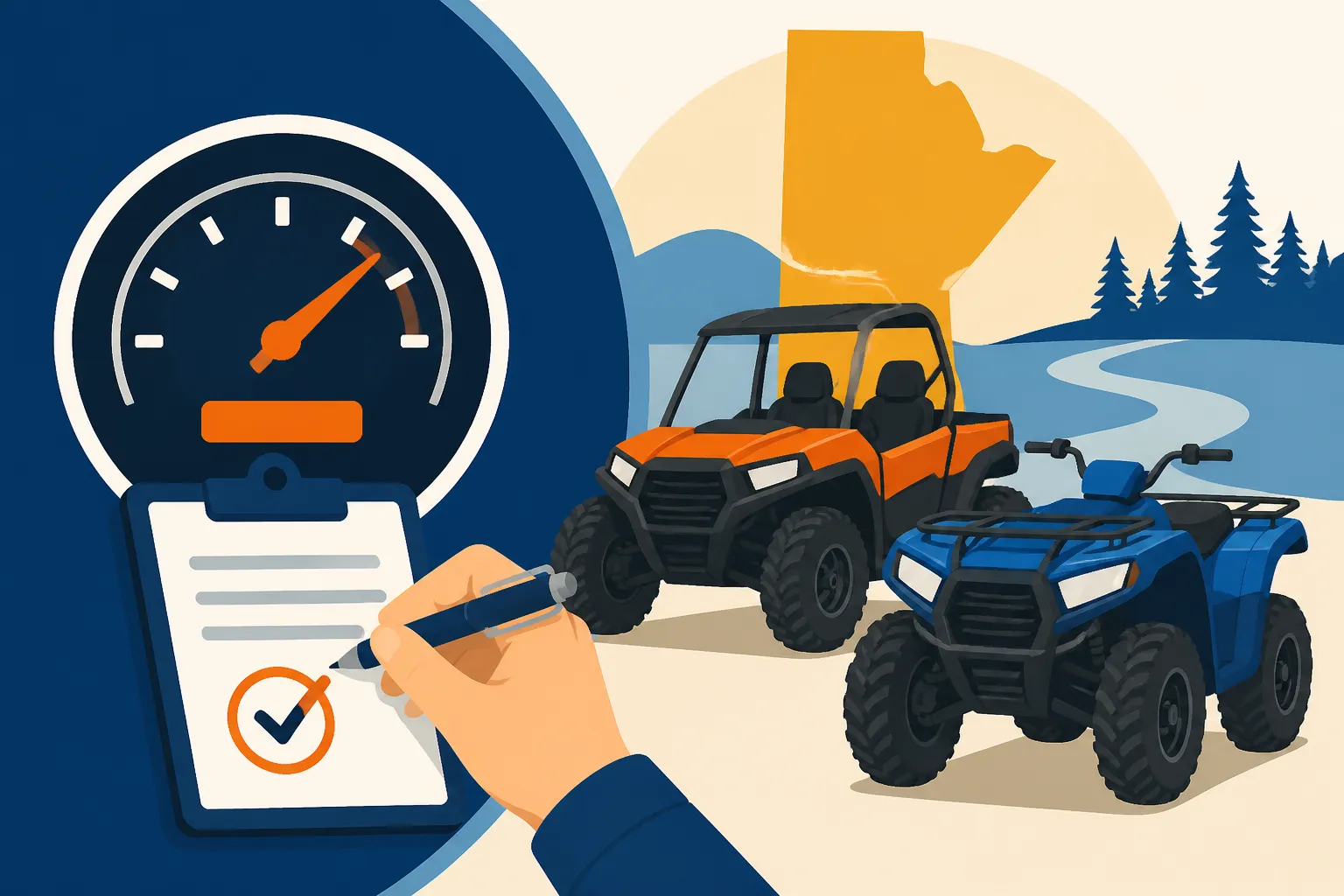
For most modern ATVs and UTVs, the odometer will be part of the digital display on the dashboard. It's usually integrated with the speedometer and other readouts like fuel level, engine temperature, or trip meters. You might need to toggle through different display modes using a button on the dash or handlebars to find the total accumulated mileage or hours. Pay attention, as some machines display engine hours instead of, or in addition to, kilometres or miles. If your machine displays hours, it's generally accepted to record that, and you might even note "hours" beside the number on the transfer form for clarity.
However, if you're dealing with an older machine, say one from the 90s or early 2000s, it might have an analog odometer, a small window with rotating numbers, often near the speedometer dial. These can sometimes be harder to read if they're faded, dirty, or if the lighting isn't great. And then there are those machines, typically older and more basic models, that might not have an odometer at all, or perhaps only a simple hour meter. Before you even start filling out forms, take a good look at your machine and figure out exactly what kind of reading you're working with. A simple photo of the display at the time of sale, showing the reading, can be a great piece of proof to include with your LawDepot bill of sale.
The Importance of Accuracy and Agreement
Once you've located the reading, the next crucial step is ensuring accuracy and agreement between the buyer and seller. As the seller, it's your responsibility to provide the correct, current odometer reading. As the buyer, you should physically verify this reading before signing any documents. Imagine agreeing to a purchase price based on a certain mileage, only to find a significantly higher number later – that's a headache no one wants.
It’s a good practice for both parties to note the odometer reading on any temporary sales agreement or LawDepot bill of sale at the time of the transaction. This way, there's no confusion when you get to the official transfer certificate. If there's any dispute about the number, or if the buyer finds a different reading than what was initially discussed, it's vital to address it before the transfer is completed. Clear communication and a shared understanding will prevent issues down the road. This also plays into general best practices when [Buying From a Private Seller in Manitoba], where diligence is key.
Handling Odometer Discrepancies or Non-Existent Readings
What happens when your trusty old bush machine simply doesn't have an odometer, or the one it had gave up the ghost years ago? This is a common situation with off-road vehicles, and thankfully, the system in Manitoba is designed to accommodate these scenarios. You won't be left in the lurch just because your quad doesn't track its kilometres.
When Your ORV Lacks an Odometer or It's Broken
It's a fact of life for some older or more utilitarian ATVs and UTVs: they might never have been equipped with an odometer from the factory. Or, perhaps after years of mud, water, and trail vibrations, the digital display fizzled out, or the mechanical gears seized up. In these cases, you can't simply invent a number, nor should you leave the field blank. Manitoba's transfer documents typically have provisions for this.
When an odometer is completely absent, you would generally indicate "N/A" (Not Applicable) or "None" in the designated field. If the odometer exists but is broken and clearly not recording mileage, you would note "Broken" or "Inoperable." The key here is honest disclosure. Attempting to hide a broken odometer or misrepresenting a reading could lead to complications later, including legal issues if it's perceived as an attempt to defraud the buyer or avoid accurate tax assessment. It's always best to be transparent. Ensure this is also clearly noted on your private LawDepot bill of sale.
Documenting Odometer Status on the Transfer Form
When you visit an Autopac agent to complete the [Manitoba Transfer of Ownership Steps], they will guide you through the specific fields on the transfer of ownership certificate. There will be a clear place to write the odometer reading. If it's a numerical reading, you write the number. If it's an "N/A" or "Broken" situation, you write that instead. The Autopac agent is familiar with these varying scenarios for off-road vehicles and can help you ensure the notation is correct.
It's important to remember that this documentation becomes part of the official record. So, ensure it's legible and accurate. If you've included specific notes about the odometer's condition on a separate document, like a LawDepot purchase agreement or a detailed bill of sale, it's a good idea to bring that along. While the Autopac agent might not strictly require it, having extra documentation can provide clarity and support your entries on the official transfer certificate, especially if there are any unusual circumstances regarding the machine's mileage.
Here's a quick reference table for common odometer situations:
| Odometer Status | What to Write on Transfer Form | Notes |
|---|---|---|
| Working (digital/analog) | Exact numerical reading | Specify "km," "miles," or "hours" if ambiguous. |
| No Odometer from Factory | "N/A" (Not Applicable) or "None" | Common for older, basic models. |
| Odometer Present but Broken | "Broken" or "Inoperable" | Ensure both parties acknowledge its non-functionality. |
| Reading in Hours Only | Numerical reading, clearly mark "hrs" | Many off-road vehicles track engine hours instead of distance. |
| Reading Disputed | Resolve before completing form | Take photos, use a detailed LawDepot agreement for clarity. |
Navigating the Transfer Process with Your Odometer Data
You've found the odometer, understood its importance, and know how to handle any quirks. Now, let's look at how this piece of information fits into the broader transfer of ownership process in Manitoba. This is where all your diligent preparation comes together.
Completing the Transfer of Ownership Certificate
The official transfer of ownership certificate is the core document for changing who legally owns the ATV or UTV. This form, often found on the back of the machine's existing registration certificate, has specific sections for both the seller and the buyer to complete. One of those critical sections is, of course, the odometer reading. The seller will write the reading (or "N/A"/"Broken") in the designated space, and both the seller and buyer will sign and date the document to acknowledge the accuracy of all the information provided, including the odometer status.
It's vital that the VIN (Vehicle Identification Number) on the machine matches the VIN on the registration certificate exactly. This is a non-negotiable detail. You can read more about ensuring accuracy in [Matching the VIN to the Bill of Sale]. Remember, this certificate is essentially the legal handshake that formalizes the sale. Make sure all fields are filled out completely and legibly. A common question is about [The Transfer Document Hiding in Your Registration Certificate] – ensure you locate and use the correct part of the existing registration certificate for the transfer. If you've used a comprehensive document like a LawDepot Bill of Sale to outline the terms and conditions, that can serve as a supplementary record.
What to Expect at the Autopac Agent
Once you have the completed transfer certificate (and often a separate bill of sale, especially for private sales), the final step is to take these documents to a Manitoba Public Insurance (MPI) Autopac agent. This is where the transfer is officially recorded and the new owner can register the machine in their name. The agent will review all the paperwork, including the odometer reading you've provided.
They'll likely verify that all necessary fields are filled out and that the signatures are present. They might ask clarifying questions, especially if you've noted "N/A" or "Broken" for the odometer, just to ensure they have a complete understanding for their records. The agent will then process the transfer, collect any applicable sales tax, and issue a new registration certificate to the buyer. This is also where you'll sort out your [Manitoba ORV Registration Cost], which includes the annual registration fee and the mandatory trails fee. Having all your ducks in a row, including a clearly stated odometer reading on the transfer document, will make this visit as quick and painless as possible. If you have any lingering doubts, remember that [Questions Worth Asking an Autopac Agent] can often save you a lot of grief.
Disclaimer
This article is for general informational purposes only and does not constitute professional advice. Laws, prices and regulations vary by location and change over time. Consult a qualified professional for guidance on your specific situation.