A Lien on a Financed Manitoba Machine
Few things can throw a wrench into the excitement of a new off-road machine like the unexpected discovery of a lien, or the confusion around what exactly a lien means for your own financed ATV or UTV. Many riders simply don't realize the legal complexities that come with buying a used machine or the obligations when financing a new one, leading to frustrating surprises down the road. This guide is here to untangle the often-intimidating world of liens in Manitoba, explaining what they are, how to protect yourself when buying, and what you need to know when you're the one taking out a loan.
What Exactly is a Lien on Your Off-Road Machine?
When you hear the term "lien," it can sound a bit scary and overly legal, but at its heart, it's a straightforward concept. Think of it as a lender's way of saying, "Hey, we put money towards this, and if you don't pay us back, we have a claim on it." For off-road enthusiasts in Manitoba, understanding this is crucial whether you're buying, selling, or just riding your own rig.
Understanding the Basics of a Lien
A lien is essentially a legal claim or right against an asset, like your ATV or UTV, which is used to secure a debt. It gives the lender a security interest in that specific piece of property. What this means in practical terms is that if you default on the loan—meaning you stop making payments—the lender has the legal right to take possession of the machine to recover the money owed. It's their way of minimizing risk when they lend you money.
This isn't a unique concept to off-road vehicles; liens are common in real estate (mortgages), cars, and even large equipment. For your quad or side-by-side, it’s a standard practice for financing companies, banks, or dealerships. They provide the funds for you to acquire the machine, and in return, they place a lien on it until the loan is fully repaid. This legal claim ensures that their investment is protected, giving them recourse if something goes wrong with the repayment.
The consequences of a lien are significant. While you get to use and enjoy your machine, you don't truly own it "free and clear" until the lien is discharged. This becomes particularly important if you ever want to sell your ATV or UTV, as you cannot legally transfer clear ownership to a new buyer with an active lien on it. The lien holder still has a claim, and they’re not going to just let you pass that machine along to someone else without getting their money first.
How a Lien is Registered in Manitoba
For off-road vehicles in Manitoba, liens are typically registered with the Personal Property Registry (PPR). This is a provincial registry where security interests in personal property, like vehicles and equipment, are recorded. Think of it as a public database where lenders file their claims. When a bank, credit union, or the finance arm of a dealership provides a loan for an ATV or UTV, they will register their lien here.
The process involves the lender filing a "financing statement" with the PPR. This statement includes key details like the Vehicle Identification Number (VIN) of the machine, the names and addresses of both the borrower (you) and the lender, the amount of the loan, and the terms of the agreement. This makes the lien a matter of public record, meaning anyone can search the PPR to see if a specific machine has a lien against it. This transparency is crucial for protecting potential buyers.
A lien registered in the PPR typically has an expiry date, usually several years out, but lenders can renew it if the debt is still outstanding. This is why when you're looking to buy a used machine, doing a PPR search is paramount. It tells you definitively whether there's an active claim against the vehicle. Knowing how to navigate this registry is a powerful tool in avoiding potential financial pitfalls.
Buying a Used Machine with a Lien: What You Need to Know
The thrill of finding a great deal on a used ATV or UTV can quickly turn into a nightmare if you're not careful about checking for liens. Many riders have learned this the hard way, thinking they got a steal only to discover later that they've inherited someone else's debt.
The Risks of an Undisclosed Lien
Imagine this: you've been searching for months, and finally, you find the perfect used quad advertised by a private seller. It looks great, runs well, and the price is right. You meet the seller, hand over your hard-earned cash, get a bill of sale, and drive off, feeling like you've won the lottery. A few months later, a letter arrives from a finance company you've never heard of, stating they have a claim on your machine because the previous owner never paid off their loan. Suddenly, that "deal" has become a devastating financial burden.
This isn't a hypothetical horror story; it's a real and common frustration. If a lien is registered against a machine, and you buy it without knowing, the lender still has the right to repossess that machine to satisfy the original debt. Even though you paid for it in good faith, the lien "follows" the machine, not the owner. The original seller, who pocketed your cash, might be long gone, leaving you to deal with the lender and the loss of your money and machine. It's a truly terrible situation, highlighting why diligence is key.
The financial loss isn't the only headache. You could face legal challenges, the stress of dealing with collection agencies, and the potential loss of the machine itself. This scenario underscores the critical importance of proper due diligence before any used vehicle purchase. You wouldn't buy a house without checking for mortgages, and your off-road machine deserves the same scrutiny.
How to Protect Yourself: Doing a Lien Search
The absolute best way to avoid the nightmare of an undisclosed lien is to conduct a Personal Property Registry (PPR) search before you ever hand over any money. This is your shield against inheriting someone else's debt. In Manitoba, you can perform these searches through the PPR online system or by visiting a registry agent. It’s a small fee that can save you thousands of dollars and immense stress.
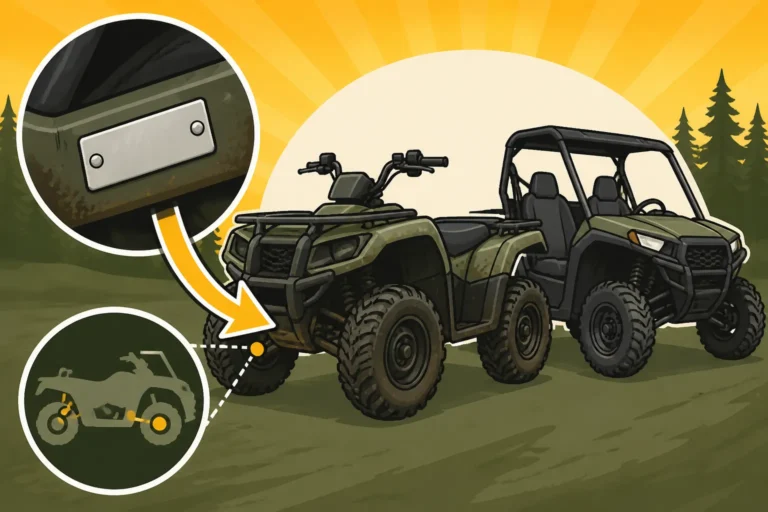
To perform an effective lien search, you need one crucial piece of information: the Vehicle Identification Number (VIN). Always get the VIN directly from the machine itself—usually stamped on the frame or a permanent plate—rather than just trusting a handwritten bill of sale or a registration card, which could potentially be forged or altered. Cross-reference the VIN on any paperwork with the VIN on the machine. This ensures you're searching for the correct asset.
The search results will clearly indicate if there is an active lien registered against that specific VIN. It will tell you who the secured party (the lender) is, when the lien was registered, and other pertinent details. If you find an active lien, it means the previous owner still owes money on that machine. Services like LawDepot can be useful if you need to draft specific legal agreements or promissory notes in more complex private sales, though for the initial lien search, the PPR is your primary resource.
Dealing with a Lien You Discover
So, you've done your due diligence, performed a PPR search, and surprise! There's an active lien on the machine you want to buy. What now? The most important rule is this: do not proceed with the sale until that lien is officially cleared. Handing over cash to the seller when a lien exists is inviting trouble.
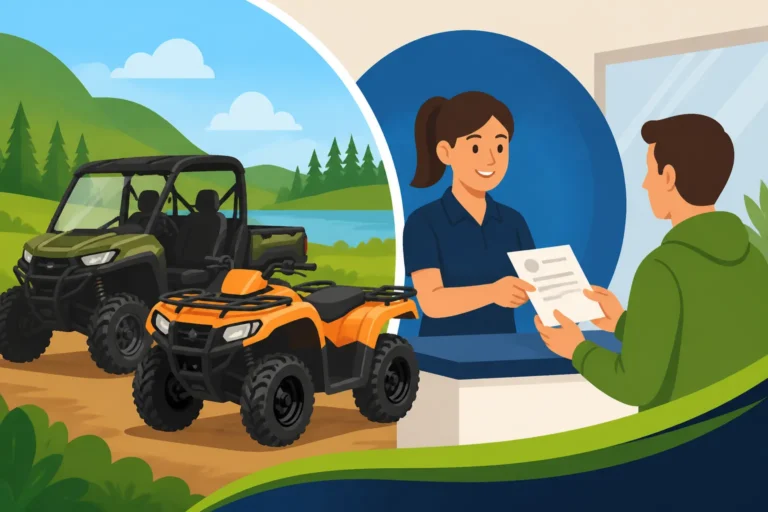
You generally have a couple of options. The cleanest one is to insist that the seller clears the lien before you finalize the purchase. This means they need to contact their lender, pay off the balance, and get an official "discharge statement" or "lien release" from the lender. You should then verify that the lien has been removed from the PPR before you pay. Be patient and firm on this point.
Another option, if you trust the seller and the lender is cooperative, is a three-way transaction. In this scenario, you and the seller go to the lender together. You pay the outstanding lien amount directly to the lender, and any remaining balance then goes to the seller. This ensures the lender gets their money and discharges the lien immediately. No matter which route you take, always get written proof from the lender that the lien has been discharged. If the seller is hesitant or unwilling to cooperate with these steps, it’s a massive red flag. Walk away – there will always be other machines. For more on navigating these waters, check out our guide on [Buying From a Private Seller in Manitoba].
Financing Your Own Off-Road Machine in Manitoba
Many riders choose to finance their ATV or UTV, spreading the cost over several months or years. While this makes machines more accessible, it also comes with a specific set of responsibilities and the unavoidable reality of a lien being placed on your new ride.
The Process of Getting a Loan
Whether you're purchasing a brand-new side-by-side from a dealership or securing a loan from your local bank or credit union for a used quad, the financing process for an off-road machine in Manitoba generally works the same way. You'll apply for credit, detailing your financial situation, and if approved, you'll receive a loan offer outlining the interest rate, payment schedule, and loan duration.
The crucial part here is that the machine you are buying typically serves as collateral for the loan. This means that if you fail to meet your repayment obligations, the lender has the right to take possession of the machine. As soon as the loan agreement is finalized and the funds are disbursed—either to you or directly to the seller/dealership—the lender will take steps to protect their investment.
This protection comes in the form of registering a lien against your ATV or UTV with the Personal Property Registry. This isn't done out of distrust, but rather as a standard business practice to secure their loan. So, while you're driving off with your shiny new machine, remember that legally, a claim has been placed on it until you've fulfilled your end of the financial bargain. LawDepot provides various contract templates that can help individuals understand the terms they are agreeing to or if they were to, for example, loan money to a family member for a machine.
Living with a Lien: Responsibilities of an Owner
When you finance your off-road machine, you are indeed the registered owner and get to enjoy all the thrills it offers. However, the presence of a lien means your ownership isn't "free and clear" until the loan is fully repaid. This comes with certain responsibilities that you must uphold as the borrower.
Your primary responsibility, of course, is to make all scheduled loan payments on time. Missing payments can lead to late fees, damage to your credit rating, and, ultimately, the risk of repossession. If you default on the loan, the lender has the legal right to seize the machine, sell it, and use the proceeds to cover the outstanding debt. This is the very reason the lien was put in place.
Beyond payments, many lenders also require you to maintain specific insurance coverage on the machine, often including collision and comprehensive coverage, to protect against damage or theft. This ensures the asset (and thus their collateral) is protected. Critically, you cannot legally sell, transfer, or otherwise dispose of the machine without first satisfying the lien. Attempting to do so is a serious legal issue and can lead to significant problems for both you and an unwitting buyer. Our guide on [Manitoba Registration and Lien Records] delves deeper into how this all ties together.
Clearing a Lien After Payment
The best part of having a lien on your machine is the day it gets removed! Once you've made your final loan payment and the balance is paid in full, the lender has a legal obligation to "release" or "discharge" the lien. This process officially removes their claim on your ATV or UTV, giving you full, unencumbered ownership.
Typically, what happens is that after your final payment clears, the lender will send a document, often called a "discharge of security interest" or "lien release," to the Personal Property Registry. This document instructs the PPR to remove their financing statement associated with your machine's VIN. While this process is usually automatic, it's incredibly important for you to verify that it has actually happened.
About a few weeks after your final payment, perform another PPR search using your VIN. This will confirm that the lien has been removed. If for any reason the lien still shows as active, contact your lender immediately. Sometimes, administrative errors can occur, or a piece of paperwork might get misplaced. Be persistent; it's your right to have that lien cleared. The lender might even use a template from a service like LawDepot to generate the official discharge, ensuring all legal requirements are met for the release.
Common Questions and Misconceptions About Liens
The world of off-road vehicle ownership can sometimes feel complex, and liens are a prime example of where confusion often arises. Let's clear up some common misunderstandings.
Does Registration at MPI Mean No Lien?
This is a really common point of confusion for Manitoba riders. Many assume that because their ATV or UTV is registered with Manitoba Public Insurance (MPI), and they have their registration card, that the machine must be free of any liens. Unfortunately, this isn't necessarily true. While MPI handles the registration and titling of off-road vehicles, and in some cases might be aware of financing agreements, the definitive record for liens in Manitoba is the Personal Property Registry (PPR).
MPI's role is primarily to record ownership, facilitate insurance, and ensure that the machine can be legally operated. It does not comprehensively track or guarantee the absence of financial encumbrances like liens from private lenders or even certain dealer financing arrangements. So, having a valid MPI registration card simply means you're the registered owner and the machine is insurable; it doesn't automatically mean there's no outstanding debt or claim against it. Always conduct a separate PPR search, as detailed in our guide [Manitoba ORV Registration Through MPI], to be certain.
What About a Machine with No Paperwork?
The appeal of a super cheap machine "with no paperwork" can be incredibly tempting for those looking for a project or a budget-friendly entry into off-roading. However, this is one of the riskiest situations you can put yourself in when it comes to potential liens and other legal problems. A machine without a clear paper trail, including a bill of sale or previous registration documents, is a huge red flag.
Without proper documentation, it's nearly impossible to verify the machine's history, its true ownership, or, most critically, if there's a lien attached to it. If you can't get a clear VIN, you can't even perform a PPR search. This often leads to situations where machines are stolen, have hidden liens, or have been involved in past legal issues. While a "deal" might seem too good to pass up, the headache and potential legal consequences of buying a machine without proper paperwork far outweigh any perceived savings. Our article [Manitoba Machines With No Paperwork] delves into the many dangers of this scenario.
Lien vs. Warranty vs. Insurance
It's easy to conflate different legal and financial terms, especially when you're caught up in the excitement of a new machine. Liens, warranties, and insurance are all important aspects of owning an ATV or UTV, but they serve distinct purposes.
- Lien: This is a financial claim against your machine, securing a debt owed to a lender. It's about who has a legal right to the asset if a loan isn't repaid.
- Warranty: This is a guarantee from the manufacturer or dealer that the machine will perform as specified for a certain period or mileage. It covers defects in materials or workmanship, not financial claims or accidents.
- Insurance: This is a contract that protects you financially against specific risks, such as damage to your machine, theft, or liability for injuries or damage you might cause to others while operating your ORV.
While a lender will almost certainly require you to carry insurance on a financed machine to protect their investment (the collateral), the insurance policy itself is not the lien. They are distinct financial tools, each with its own role in the overall ownership experience.
| Scenario | Action to Take | Why It's Important |
|---|---|---|
| Buying a used ORV privately | Perform a Personal Property Registry (PPR) search | Protects you from inheriting the seller's outstanding debt and losing the machine |
| Seller has an active lien | Insist the seller clears the lien before payment, or arrange direct payment to lender | Ensures you receive clear title and full ownership without complications |
| Financing your own ORV | Make timely loan payments and maintain required insurance coverage | Avoids repossession of your machine and protects your credit rating |
| Loan is fully paid off | Verify the lien has been discharged by conducting another PPR search | Confirms you have full, unencumbered ownership of your ATV or UTV |
Disclaimer
This article is for general informational purposes only and does not constitute professional advice. Laws, prices and regulations vary by location and change over time. Consult a qualified professional for guidance on your specific situation.