MPI Registers, Insures and Taxes in One Visit
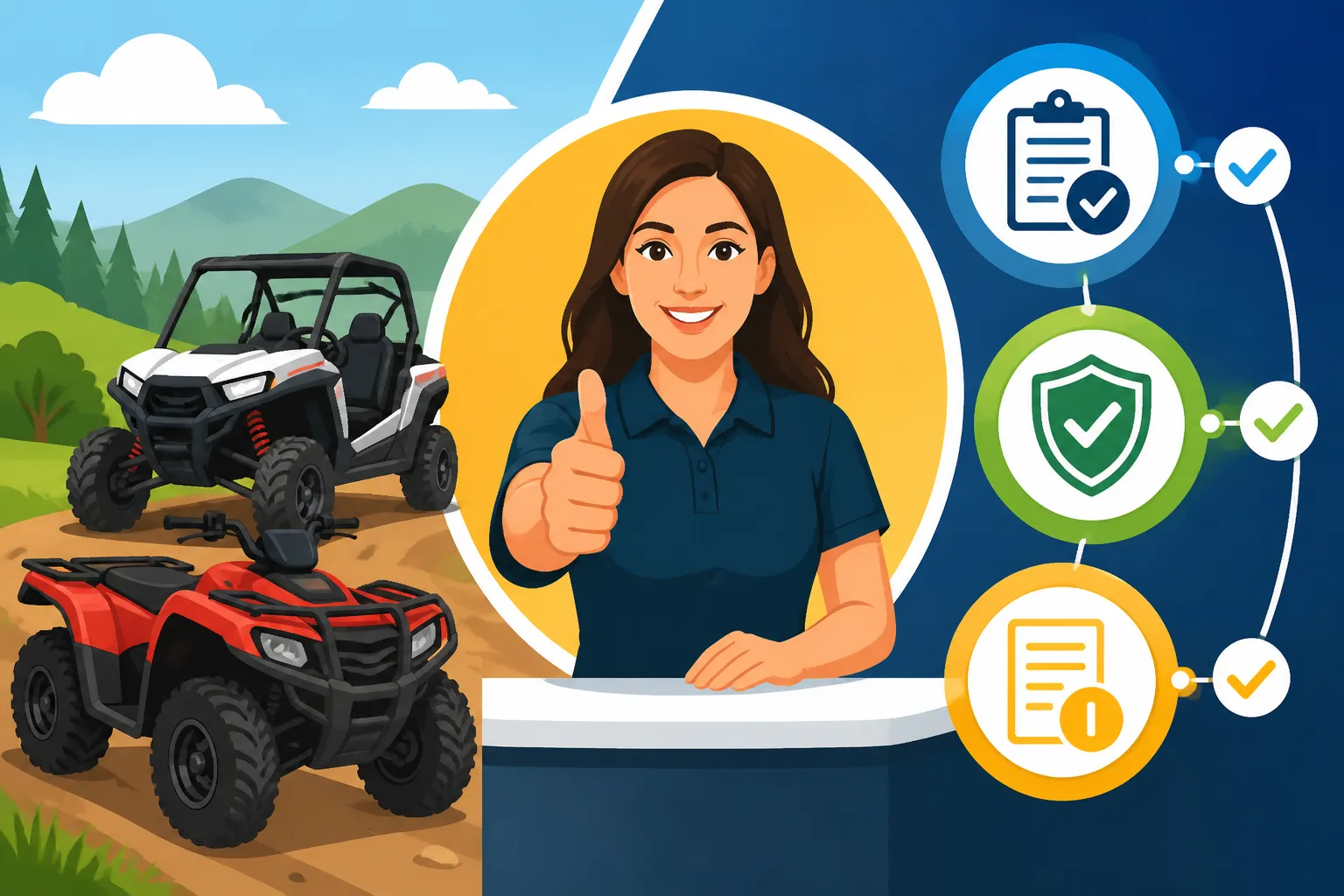
Navigating the paperwork for a new ATV or UTV can often feel like a dizzying maze of separate offices, endless forms, and unexpected fees. It's a common frustration to spend precious riding time shuffling between different government departments just to get your machine legal. But in Manitoba, there's a refreshing change of pace: Manitoba Public Insurance (MPI) has streamlined this process, allowing you to handle registration, basic insurance, and even the collection of provincial sales tax (RST) all in one convenient visit. This guide will walk you through exactly what that means for you, covering everything from what to bring to what to expect, ensuring your journey from purchase to trail is as smooth as possible.
The Convenience of Manitoba Public Insurance (MPI) for ORV Paperwork
Let's be honest, few people look forward to dealing with bureaucracy, especially when it involves something as exciting as a new off-road vehicle (ORV). The thought of queuing at one place for a plate, another for insurance, and yet another for tax can be enough to make you put off the whole process. That's why Manitoba's system, where MPI acts as a one-stop shop for your ATV or UTV, is such a welcome relief for riders across the province. They’ve centralized what could easily be a multi-day ordeal into a single, straightforward appointment.
Why the Integrated System Makes a Difference
Imagine buying your dream side-by-side on a Friday, eager to hit the trails that weekend. If you had to visit three different government agencies, you'd likely be looking at a Monday or Tuesday before you could even think about riding legally. MPI's integrated system cuts down on this fragmented approach. You walk into an Autopac agent's office, and with the right documents in hand, you can walk out with your registration certificate, a shiny new plate, and the peace of mind that your basic insurance is in place and your provincial sales tax is taken care of. This efficiency means more time on the trails and less time waiting in lines, which, for any enthusiastic rider, is a huge win. It really simplifies things, whether you're a seasoned enthusiast or new to the off-road scene. [Manitoba Autopac Agents and ORV Registration] are well-versed in handling these transactions, making the process smoother than you might expect.
What "One Visit" Truly Encompasses
When we say "one visit," it's not just a catchy phrase; it's a fundamental aspect of how ORV ownership is established in Manitoba. Your visit to an Autopac agent isn't just about getting a plate; it's about initiating your machine's legal life in the province. This includes:
- Registration: This is where your ATV or UTV gets its unique identification number, much like a vehicle license plate. You'll receive your registration certificate, which is your proof that the machine is legally identified and permitted for use where allowed.
- Basic Insurance Coverage: Manitoba operates on a public insurance model through MPI. This means that a basic level of third-party liability insurance is inherently included with your registration. While this is crucial, it's vital to understand its limits (more on this later).
- Provincial Sales Tax (RST) Collection: For any ORV purchased, whether new from a dealer or privately, the provincial sales tax (7% in Manitoba, which adds up to a 12% combined rate with GST if bought new from a dealer) is collected during this registration process. This prevents you from having to visit a separate tax office or file additional paperwork later. It’s all rolled into one transaction at the Autopac agent.
This unified approach minimizes the bureaucratic hoops you have to jump through. It's designed to be convenient, especially for new owners or those transferring ownership, by putting all the essential legal and financial steps under one roof.
Understanding the Three Pillars: Registration, Insurance, and Taxes
Let's dive a little deeper into these three critical components that MPI handles in one go. Understanding each one will help you prepare properly and know exactly what you're getting.
Your Machine's Official Identity: Registration
Registration is non-negotiable for almost all ATVs and UTVs in Manitoba, regardless of whether you plan to ride on public trails, private land, or only within a remote community. It's the official process of recording your machine's ownership and details with the province. When you register, you're confirming to the authorities that this specific vehicle belongs to you and meets the province's basic requirements for operation. You'll get a [Manitoba Issues One Plate, Not Two] for your machine, which needs to be mounted clearly.
Think of your registration certificate as your machine's birth certificate and ID card all rolled into one. It details your name as the owner, the machine's vehicle identification number (VIN), make, model, and year. This document is crucial for proving ownership, especially if your machine is ever stolen or involved in an incident. It's also your direct link to the provincial database, ensuring that if there are any recalls or important notices, you can be reached. Remember, you need to be [Carrying Your Registration Card on Every Ride].
The Essential Safety Net: Basic Insurance
Part of the MPI package is basic third-party liability coverage. This is a critical safety net that protects you if you're found responsible for an accident that causes injury or damage to another person or their property. Without this base coverage, you could face significant financial hardship in the event of an incident. It's a relief to know this essential protection is automatically included when you register.
However, it's crucial to understand that this basic coverage has limitations. It generally does not cover:
- Damage to your own ATV or UTV: If you crash your machine, this basic policy won't pay for repairs or replacement.
- Your own medical expenses: While basic personal injury benefits are part of the overall MPI system, they don't directly cover your injuries from an ORV accident in the same way your regular Autopac would for a car. Specific Accident Benefits for ORV riders are usually purchased separately.
- Theft of your machine: If your quad goes missing from your garage or a trail, basic registration insurance won't replace it.
This is where many riders realize they need to consider additional insurance. While the base coverage is a great starting point, most riders will want to explore optional coverage like collision, comprehensive (for theft, fire, etc.), and increased liability limits. You can discuss these options with your Autopac agent during your visit, but it's important to know they aren't part of the standard, automatic package. For a deeper dive into what's available, check out [Manitoba ATV Insurance Requirements].
Paying Your Dues: Provincial Sales Tax (RST)
The provincial sales tax (RST) is an unavoidable part of purchasing most goods in Manitoba, and off-road vehicles are no exception. What's convenient about the MPI system is that they collect this tax for you at the time of registration. This saves you an extra step and ensures that all your financial obligations related to the purchase are settled promptly.
If you purchase your ATV or UTV new from a dealer, they will typically collect the 7% RST on top of the 5% GST, making for a combined 12% sales tax. If you buy privately, however, you'll pay the 7% RST directly to MPI when you register the machine in your name. This is where a proper bill of sale becomes absolutely essential. MPI uses the bill of sale or, failing that, an assessed book value to determine the amount of RST you owe. So, don't think you can write "Sold for $1" on a napkin and avoid tax; MPI has ways to ensure fair collection! You can find more details on this in [Manitoba RST Collected at Registration].
Table: What MPI Handles in One Visit
| Component | What It Is | Key Purpose | What's Included (Basic) | What's Often Extra |
|---|---|---|---|---|
| Registration | Official record of your ORV and its ownership | Legal identification, proof of ownership, plate issuance | Unique plate & registration card | N/A (this is the base) |
| Insurance | Financial protection against liabilities | Covers damage/injury you cause to others | Basic Third-Party Liability | Collision, Comprehensive (theft), Increased Liability |
| Taxes | Provincial sales tax on the purchase | Revenue for provincial services | Collection of 7% Manitoba RST (on private sales or post-GST on dealer sales) | N/A (this is the full tax collection) |
What to Bring for Your One-Stop MPI Visit
Preparation is key to making your MPI visit truly one-stop and hassle-free. Gathering all your documents beforehand will save you time and potential frustration. Here's a breakdown of what you'll typically need to have on hand, depending on how you acquired your machine.
For a Newly Purchased Machine from a Dealer
If you're buying a brand-new ATV or UTV from a licensed dealer, they will usually give you a package of documents. This often makes the registration process quite straightforward as the dealer has already handled much of the initial paperwork.
- New Vehicle Information Statement (NVIS): This is a critical document provided by the dealer. It proves the machine is new and has never been registered before. It contains all the vital information about your ORV, including the VIN, make, model, and year.
- Bill of Sale/Purchase Agreement: This document details the purchase price, taxes paid (including GST), and confirms the sale from the dealership to you. Keep this safe!
- Proof of Identity: Your valid Manitoba driver's license or another government-issued photo ID is essential.
- Proof of Age: If you're under 18, you'll need parental consent and proof of age, such as a birth certificate. [Manitoba Parental Consent From 16 to 18] is a key factor here.
The dealer will often provide you with temporary operating permits, but you'll still need to visit an Autopac agent to finalize your permanent registration and plate.
For a Privately Purchased Used Machine
This scenario often requires a bit more diligence on your part, as there's no dealer to facilitate the initial paperwork. This is where having robust documentation is critical.
- Bill of Sale: This is the most important document. It needs to clearly state the seller's name and signature, your name as the buyer, the date of sale, the purchase price, and a full description of the ATV or UTV, including its VIN. A well-drafted bill of sale protects both parties. If you're looking for a reliable template, resources like LawDepot offer excellent customizable options that cover all the necessary legal points, which can be a real lifesaver to ensure you don't miss anything crucial.
- Previous Owner's Registration Certificate: This document proves the seller was the legal owner. The seller should have signed over the transfer of ownership portion of their registration certificate to you. This is called the "transfer document" and it's [The Transfer Document Hiding in Your Registration Certificate].
- Proof of Identity: Your valid Manitoba driver's license or another government-issued photo ID.
- Proof of Age: Again, if you are under 18, parental consent is mandatory. [Manitoba Registration Age of 16] outlines the minimum age requirements for registering a machine.
- Payment for RST: Be prepared to pay the 7% provincial sales tax on the purchase price (or assessed value) of the machine.
What if the previous owner has no registration certificate or bill of sale? This is a common, and often frustrating, situation. MPI does have provisions for [Manitoba Registration Without a Bill of Sale] or for [Manitoba Machines With No Paperwork], but it typically involves a statutory declaration and potentially a VIN verification, which adds steps and complexity. It's always best to have a clear paper trail from the outset.
For an Imported Machine
Bringing an ATV or UTV into Manitoba from another province or country adds a few extra layers of paperwork.
- Out-of-Province Registration/Title: You'll need the equivalent registration or title document from the previous jurisdiction, proving ownership.
- Customs Import Form (if from outside Canada): If your machine is coming from the United States or another country, you'll need the import documentation from the Canada Border Services Agency (CBSA) to prove it has cleared customs.
- Bill of Sale: As always, proof of purchase is essential.
- Proof of Identity: Valid Manitoba ID.
The process for an imported machine can be a bit more intricate due to varying provincial or national standards, so it's always a good idea to confirm specific requirements with MPI directly before your visit.
Navigating Common Scenarios and Questions
Even with a streamlined process, unique situations or common misunderstandings can arise. Here's a look at some frequent questions and scenarios that riders encounter.
The Trails Fee: Understanding the Mandatory Addition
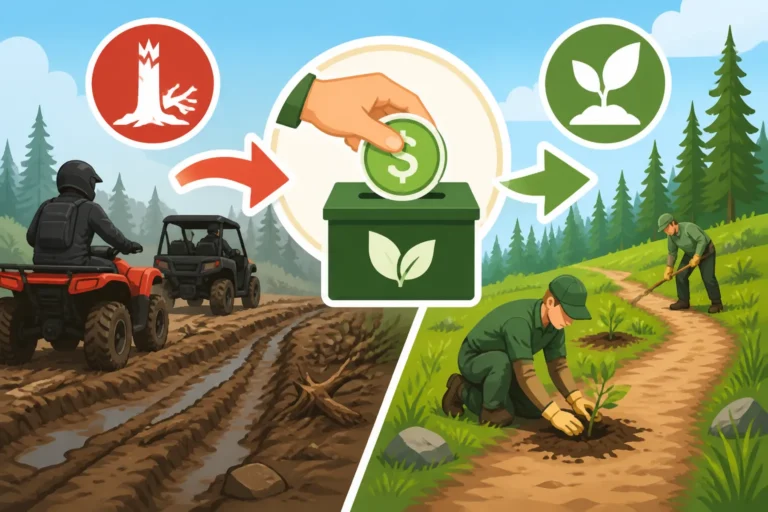
You might notice an extra charge when you register your ORV in Manitoba, often leading to confusion. This is the mandatory "Trails Fee." Since April 2024, [Manitoba's Off-Road Trails Fee Explained] clarifies that this fee is collected with every ORV registration and is non-refundable. It's not optional, even if you never plan to set a tire on an organized trail system.
This fee, currently $25, goes directly towards supporting off-road trail development, maintenance, and safety initiatives across the province. So, while it might feel like an unexpected charge, it's actually contributing to the broader ORV community and ensuring that trails are better maintained and more accessible for everyone who uses them, even if you ride on private land. It's truly [Why Every Registration Includes a $25 Trails Fee].
Transferring Ownership: When You Buy or Sell
The MPI one-stop system also shines when you're transferring ownership of a used machine. When you sell your registered ATV or UTV, you'll need to sign over the transfer section on your registration certificate to the buyer. This acts as the legal change of hands. The buyer then takes this signed certificate, along with a bill of sale, to an Autopac agent to register the machine in their name. This simple process is detailed further in [Manitoba Transfer of Ownership Rules].
If you're the buyer, ensure you receive that signed-over registration certificate and a clear bill of sale from the seller. Without these, your one-stop visit could turn into a multi-step headache. For complex private transactions, especially if you're writing a bill of sale yourself, using a legal document service like LawDepot can give you confidence that all the necessary clauses are included, providing clear evidence of the sale and protecting you from future disputes.
Dealing with Deceased Owners or Machines from an Estate
When an ORV owner passes away, their machine becomes part of their estate. Registering such a machine requires additional documentation, typically proof of the owner's death (death certificate), and legal documents indicating who has the authority to act on behalf of the estate (e.g., Letters of Probate, or a will naming an executor). The executor would then be the one to sign off on the transfer of ownership. This can be a sensitive and complex situation, so it’s best to contact MPI directly or speak with an Autopac agent to understand the specific requirements for [Manitoba Registration After the Owner Dies]. Having clear legal guidance through this process is vital.
When Your VIN Is Missing or Unreadable
A VIN (Vehicle Identification Number) is like your machine's fingerprint, essential for registration and identifying stolen property. If your ATV or UTV has a missing, altered, or unreadable VIN, you're in for a hurdle. MPI won't register a machine without a verifiable VIN. In such cases, you might need to have the VIN inspected by a qualified professional (e.g., a mechanic or law enforcement) or potentially apply for a new VIN through MPI, which involves a specific application process and verification. This is one of those situations where the "one visit" might extend into multiple steps, so it's always wise to check the VIN's clarity before purchasing a used machine, especially one that's older or has a dubious history. Sometimes, even for these unique scenarios, having a template from a service like LawDepot for a statutory declaration could be useful if MPI requests a formal statement regarding the VIN's history or condition.
Renewing Your Registration
Unlike vehicle registration that often has fixed renewal dates, your ORV registration in Manitoba is generally linked to your Autopac policy for your primary vehicle. This means [Manitoba Registration Renews With Your Autopac Policy]. When your car insurance renewal comes up, your ORV registration will also be due. This is another layer of convenience, as you won't have to remember a separate date for your ATV or UTV; it's all part of the same annual process at your Autopac agent.
Considering Additional Insurance Coverage
As mentioned, the basic insurance bundled with your registration offers limited protection. Many riders find peace of mind by purchasing additional coverage. This can include:
- Collision coverage: Pays for damage to your own machine if you're involved in an accident.
- Comprehensive coverage: Protects against non-collision incidents like theft, vandalism, fire, or hitting an animal.
- Increased Third-Party Liability: Raising your liability limit from the basic amount to $1 million, $2 million, or more provides significantly more protection in the event of a serious claim.
- Accident Benefits: Specific coverage for your own injuries as an ORV operator, often similar to what you'd have with a car policy but tailored for off-road use.
Your Autopac agent can walk you through these options during your visit. It's highly recommended to consider these add-ons to ensure you're fully protected, especially given the inherent risks of off-road riding.
Navigating the world of ATV and UTV registration in Manitoba doesn't have to be a headache. By understanding that MPI consolidates the core tasks of registration, basic insurance, and tax collection, and by arriving prepared with the correct documentation, you can turn what might feel like a chore into a quick and efficient stop on your way to enjoying the open trails.
Disclaimer
This article is for general informational purposes only and does not constitute professional advice. Laws, prices and regulations vary by location and change over time. Consult a qualified professional for guidance on your specific situation.