Manitoba Trails Fee Collected With Registration
For many Manitobans looking to enjoy the vast beauty of our province on an ATV or UTV, the process of getting your machine ready can feel like navigating a maze. One of the most frequent questions that pops up, and often causes a bit of head-scratching, is about that "trails fee" that appears when you register your off-road vehicle. It's not just a random charge; it's a vital component of supporting the very trails and services we all benefit from. This guide aims to clear up the confusion around the Manitoba Off-Road Trails Fee, explaining exactly what it is, why it's collected, and where that money actually goes, especially as it relates to your ORV registration.
Understanding Manitoba's Off-Road Trails Fee
It's easy to look at an extra fee on your registration paperwork and wonder, "What's this all about?" You might even feel a little frustrated, especially if you're planning to ride primarily on private land or in areas you don't consider part of an "official" trail system. But the Off-Road Trails Fee is a critical piece of the puzzle for maintaining and enhancing the incredible off-road riding opportunities we have here in Manitoba.
What Is the Trails Fee, Really?
Simply put, the Off-Road Trails Fee is a dedicated charge applied to almost every off-road vehicle registration in Manitoba. Think of it as your small, but significant, contribution to the larger ecosystem of ORV riding in the province. It's not a voluntary donation; it's a mandatory part of the registration process. This fee is collected to create a sustainable funding model for a variety of initiatives directly benefiting the off-road community and the environment. When you go through the steps of [Manitoba ORV Registration Through MPI], this fee will be part of the total cost.
This fee is distinct from the actual registration cost of your machine, which covers the administrative aspects of putting your ORV on the provincial database and issuing a plate. The trails fee is earmarked specifically for a broader purpose. It's an investment in the future of the sport, ensuring that the natural spaces we love to explore remain accessible and well-managed for generations of riders to come. It applies to all types of off-road vehicles that require registration, from ATVs and UTVs to dirt bikes and snowmobiles, creating a shared responsibility across the entire ORV community.
Why Was This Fee Introduced?
Historically, funding for off-road trails and related services often relied on grants, club memberships, and sometimes, a patchwork of less stable revenue streams. This made long-term planning and consistent maintenance a real challenge. The trails fee was introduced to provide a more stable, predictable source of funding for the growing demands of the off-road sector. It acknowledges that recreational riding has impacts—both positive and negative—and that resources are needed to manage these. You can find more details on its origin in [Manitoba Trails Fee Explained].
The core motivation was to create a self-sustaining model. Rather than relying solely on general taxpayer funds or sporadic contributions, the fee ensures that those who benefit most directly from the trails and associated infrastructure are contributing to their upkeep and development. It's about empowering the off-road community to directly support the environment they recreate in and the facilities they use. This helps to secure the future of organized trails, ensure environmental responsibility, and foster a positive image for ORV enthusiasts throughout the province.
Who Is Responsible for Collecting It?
The Manitoba Public Insurance (MPI) corporation, our provincial insurer and vehicle registration body, is responsible for collecting the Off-Road Trails Fee. This happens concurrently with your annual ORV registration or renewal. When you visit an Autopac agent to register your ATV, UTV, or snowmobile, the fee will be calculated and added to your total bill along with your registration and applicable taxes. This integrated approach simplifies the process for riders, as it consolidates all necessary payments into a single transaction.
This centralized collection by MPI ensures consistency and efficiency. It means you don't have to navigate separate payment systems or remember different deadlines for various fees. Everything is handled at once. When you renew your registration, often tied to your [Manitoba Registration Renews With Your Autopac Policy], the trails fee will be included again. This streamlined process makes it easier for riders to stay compliant and contribute to the essential funding without added bureaucratic hurdles.
The Collection Process During Registration
One of the most common points of confusion for riders is how and when this fee actually comes into play. It's not a separate bill that arrives in the mail later; it's an integral part of your initial registration and subsequent renewals. Understanding this process can help you budget and prepare for your annual ORV expenses.
How the Fee Appears on Your Bill
When you complete your ORV registration, whether for a brand new machine or an annual renewal, the Off-Road Trails Fee will be itemized on your statement or receipt. It's usually a fixed amount, added on top of the base registration cost and any applicable sales tax, such as Manitoba's Retail Sales Tax (RST). This transparency allows you to see exactly what you're paying for. While the fee itself isn't a tax, it's collected by a government-mandated body, making it a compulsory part of your annual commitment to ORV ownership.
So, when you're looking at the total price to get your machine legal, don't be surprised to see this line item. It's a standard part of owning and operating an off-road vehicle in Manitoba. Knowing it's coming means you can factor it into your budget alongside your basic [Manitoba ORV Registration Cost] and any insurance options you might choose. It’s a straightforward addition, designed to be clearly visible so you understand where a portion of your payment is directed.
What Happens at the Autopac Agent
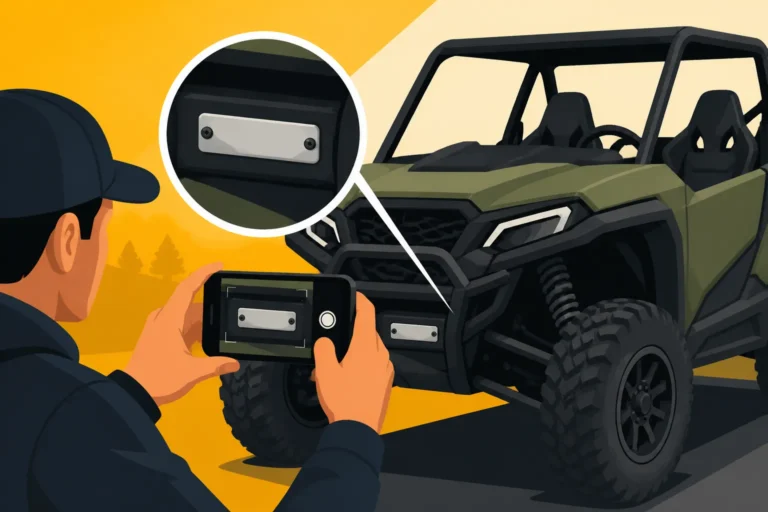
Most Manitobans register their off-road vehicles through a local Autopac agent. These agents are your go-to experts for all things vehicle registration and insurance, including ORVs. When you bring your documentation—like proof of ownership (a bill of sale, often drafted with tools like LawDepot to ensure all parties are covered), identification, and any transfer paperwork—the agent will guide you through the process. They will input your machine's details into the system, calculate all applicable fees, and present you with the total. The Off-Road Trails Fee will be included in this calculation.
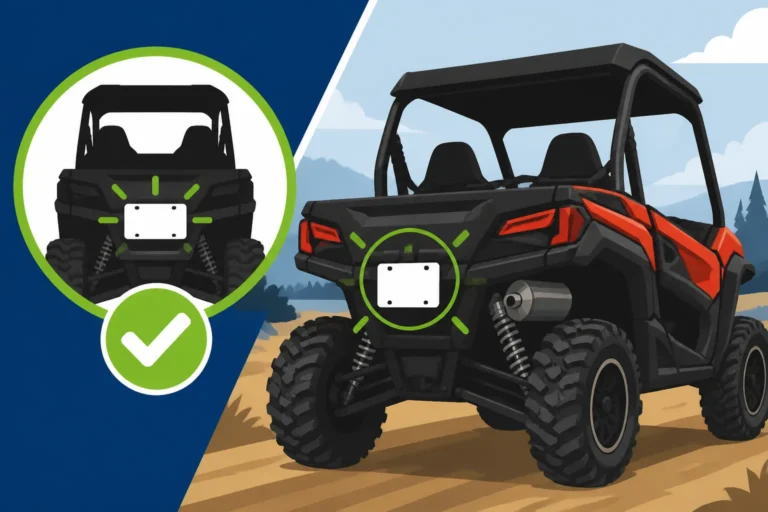
The agent will be able to answer any questions you have about the fee, though they primarily act as the collection point for MPI. They're there to ensure you have all the correct paperwork, such as a proper bill of sale if you're buying from a private seller, which could be generated using a reliable template from a service like LawDepot to facilitate a smooth transfer of ownership. Once all forms are completed and payment is processed, you'll receive your registration certificate and plate, signifying that your trails fee has been paid and your machine is officially registered for the riding season. [Manitoba Autopac Agents and ORV Registration] outlines more on their role.
Dealing with Online or Mail-In Registration
While most people use an Autopac agent, there might be situations where online or mail-in options are explored for certain registration aspects or renewals. In such cases, the process for the Off-Road Trails Fee remains consistent: it's an integrated part of your total payment. If you're renewing online, the system will automatically add the fee to your renewal total. For mail-in processes, the forms and accompanying payment instructions will clearly indicate the inclusion of the trails fee.
Regardless of the method, the goal is to make the process as seamless as possible for riders. You won't be able to opt out of the fee if your machine requires registration; it's a condition of being able to legally operate your ORV in the province. This ensures equitable contributions from all registered off-road vehicle owners, underpinning the collective benefit this fee provides to the entire ORV community.
Where Your Trails Fee Money Goes
It's natural to wonder, "Where does this money actually go?" Transparency is important, and thankfully, the destinations for the Off-Road Trails Fee are quite clear. The funds are channeled into programs and initiatives that directly benefit off-road vehicle enthusiasts and the environment they cherish.
Funding Trail Maintenance and Development
A significant portion of the trails fee revenue is dedicated to the maintenance, repair, and development of off-road vehicle trails across Manitoba. This includes everything from clearing fallen trees and repairing bridges to upgrading signage and ensuring trail safety. Without these funds, many of our beloved trails would quickly degrade, becoming impassable or even dangerous. This investment helps keep our provincial parks and other riding areas in top condition.
Think about the work involved in keeping hundreds of kilometers of trail rideable. It's a massive undertaking that requires equipment, materials, and often, skilled labour. Your trails fee directly contributes to these efforts, ensuring that whether you're riding the [Mossberry Trail's 30 Kilometres in Manitoba] or exploring the [Manitoba Agassiz Club Trail], you're enjoying a well-maintained and safe experience. This funding is crucial for sustaining the long-term viability of organized trail networks, which also helps prevent riders from encroaching on private or sensitive lands. This is part of [Where Your $25 Trails Fee Actually Goes].
Supporting Rider Education and Safety Programs
Another vital area where the trails fee makes a difference is in promoting rider education and safety. This can include funding for safety courses, the development of educational materials, and public awareness campaigns aimed at responsible ORV operation. As the popularity of ATVs and UTVs grows, so does the need to ensure riders, especially youth, are equipped with the knowledge and skills to ride safely and respectfully.
These programs are designed to minimize accidents, reduce environmental impact, and foster a culture of responsible riding. They benefit everyone, from seasoned veterans refreshing their skills to new riders learning the ropes. By supporting initiatives that teach proper etiquette, environmental stewardship, and safe operating procedures, the trails fee helps create a more enjoyable and sustainable riding experience for all. It's an investment in the people who ride, ensuring they have the tools to protect themselves and the natural environment.
Environmental Restoration and Land Repair
Off-road riding, while immensely enjoyable, can sometimes have an impact on the natural landscape. The trails fee also plays a crucial role in environmental restoration projects and land repair initiatives. This might involve rehabilitating areas that have been negatively affected by unauthorized riding, controlling erosion, or protecting sensitive ecosystems adjacent to designated trails. It's about ensuring that our passion for riding doesn't come at the expense of Manitoba's precious natural resources.
These funds empower organizations to undertake vital conservation work, mitigating the footprint of human activity on our wild spaces. By contributing to responsible land management and ecological restoration, the trails fee helps to preserve the pristine beauty of Manitoba's backcountry for everyone, not just riders. It’s a testament to the commitment of the ORV community to be good stewards of the land, ensuring that we can continue to enjoy our beautiful province for years to come.
Common Questions and Misconceptions About the Fee
Despite its clear purpose, the Off-Road Trails Fee often sparks a few common questions and misconceptions. It’s important to address these directly so riders have a full understanding of their obligations and the benefits of their contributions.
Do I Pay Even if I Don't Use Trails?
This is perhaps the most common question: "If I only ride on my own private property or stick to crown land that isn't a designated trail, do I still have to pay the fee?" The answer, for the vast majority of registered ORV owners, is yes. The Off-Road Trails Fee is tied to the registration of your off-road vehicle, not directly to your use of specific managed trails. If your machine needs to be registered with MPI, the fee will be applied. There are specific situations where registration itself is not required, such as [Manitoba Own-Property Registration Exemption] or [Manitoba Remote Community Exemption], but these are distinct from the trails fee.
The fee is designed as a broad-based contribution from the entire registered ORV community because the benefits extend beyond just designated trails. The funds support general environmental management, safety education that benefits all riders regardless of where they ride, and the overall infrastructure that supports ORV use in the province. Think of it as contributing to the general health and sustainability of off-road recreation in Manitoba, which ultimately benefits everyone who owns a machine, even if they never set a tire on an organized club trail.
Is the Trails Fee Refundable?
Unfortunately, no, the Off-Road Trails Fee is generally non-refundable. Once paid as part of your ORV registration, that money is allocated to the designated programs and initiatives. This is an important point to understand when you're budgeting for your ORV expenses. Even if you sell your machine halfway through the season, the portion of the trails fee is not typically returned to you, unlike some portions of your insurance premium which might be refundable upon cancellation. This is clearly stated in [Manitoba Trails Fee Is Non-Refundable].
This non-refundable policy ensures a stable and predictable funding source for the ongoing work of trail maintenance, safety programs, and environmental efforts. These initiatives require continuous funding, and if the fee were easily refundable, it would create significant administrative overhead and financial instability for the programs it supports. So, when you pay the fee, consider it a committed contribution to the health of Manitoba's off-road environment and community for the duration of your registration period.
Exemptions and Special Circumstances
While the trails fee is mandatory for most registered ORVs, there can be specific exemptions related to the machine's primary use or the operator's status. For instance, some commercial operations, like licensed trappers operating within their trapline district or commercial fishers using machines for their business, might have certain registration or permit considerations that could impact fees, though a general exemption from the trails fee specifically is tied to broader registration exemptions rather than the fee itself. It's crucial to distinguish between an exemption from registration entirely and an exemption from the trails fee component.
The most common "exemption" from the trails fee comes if your machine is not required to be registered at all under certain conditions, such as those covered in [Manitoba Registration Exemptions Explained]. These exemptions are rare and highly specific, often tied to very limited private land use or other unique situations. For instance, a machine might be exempt from registration if it is only used on private property and never ventures onto public land or roadways. However, if your ORV is registered, the trails fee will almost certainly apply. Always check with an Autopac agent for the most accurate and current information regarding your specific situation and machine.
| Aspect | Description | Impact on Rider |
|---|---|---|
| Purpose | Dedicated funding for trail maintenance, rider education, and environmental restoration. | Contributes to better trails, safer riding practices, and healthier natural environments. |
| Collection Point | Collected by MPI (Manitoba Public Insurance) through Autopac agents. | Part of your overall ORV registration bill; handled in one transaction. Simplifies payment. |
| Applicability | Applied to most registered off-road vehicles (ATVs, UTVs, snowmobiles, dirt bikes). | Mandatory for virtually all registered machines; not optional even if you don't use designated trails. |
| Refund Policy | Generally non-refundable once paid as part of registration. | Budget accordingly; consider it a committed annual contribution to the ORV community and environment. |
| Transparency | Itemized on your registration receipt/statement. | You can clearly see the fee separate from registration costs, providing transparency on where your money is going. |
| Legal Basis | Established by legislation to provide a stable funding source for ORV-related initiatives. | Ensures a consistent and reliable flow of money for critical programs that might otherwise lack sufficient funding. |
| "Bigger Picture" | Supports organized riding, reduces conflicts, and promotes responsible land use across the province. | Enhances the reputation of ORV riders and helps secure continued access to riding areas. |
The Bigger Picture: Supporting Manitoba's ORV Community
Beyond the individual transaction, the Off-Road Trails Fee plays a crucial role in the larger landscape of off-road vehicle recreation in Manitoba. It's about building a sustainable future, fostering community, and ensuring that our shared passion can thrive responsibly.
The Role of Clubs and Volunteers
While the trails fee provides essential financial backing, the backbone of Manitoba's trail system is undoubtedly its network of dedicated off-road vehicle clubs and countless volunteers. These clubs often receive grants funded, in part, by the trails fee, to carry out the on-the-ground work of trail building, maintenance, and signage. Members of these clubs dedicate thousands of hours annually, clearing brush, repairing infrastructure, and organizing group rides. You can learn more about how they operate through [Manitoba Club Affiliation Fees Explained].
The trails fee acts as a catalyst, empowering these clubs to do more. It can cover the cost of materials, equipment rentals, or even provide small stipends for specialized services that volunteers might not be able to provide. So, while you're paying a mandatory fee, remember that much of that money filters down to the passionate individuals and groups who are directly improving your riding experience. It fosters a synergistic relationship where the financial contributions of all riders are amplified by the incredible efforts of local communities and volunteers.
The Importance of a Cohesive Funding Model
A cohesive and dedicated funding model, like the one supported by the trails fee, is vital for the long-term health and growth of off-road recreation in Manitoba. Without it, funding would likely be piecemeal, inconsistent, and subject to the whims of annual budgets or fluctuating grant opportunities. This dedicated revenue stream allows for strategic planning, multi-year projects, and a more robust response to maintenance needs and environmental challenges.
This approach creates a sense of shared ownership and responsibility among riders. Every registered ORV owner contributes, fostering a collective investment in the provincial trail network and associated programs. It also provides a stronger platform for advocacy, demonstrating to government bodies and other stakeholders that the ORV community is proactive, organized, and committed to responsible recreation. This allows for better negotiation on land access and the development of more [Manitoba ATV Trails: Club Ground and Crown Land].
Future Outlook for Manitoba's Trail Network
Looking ahead, the Off-Road Trails Fee is poised to continue playing a critical role in the evolution of Manitoba's off-road trail network. As more people discover the joy of ATV and UTV riding, the demand for well-maintained, safe, and diverse trails will only grow. This consistent funding allows for the expansion of existing trail systems, the exploration of new riding areas, and the ongoing implementation of best practices in trail management and environmental stewardship.
The fee allows for long-term vision and planning. It provides the financial stability needed to consider ambitious projects, such as creating interconnecting trail systems across different regions or investing in more advanced safety infrastructure. By contributing this fee, you're not just paying for what's available today; you're helping to build a more extensive, better-managed, and safer network for future generations of riders to explore and enjoy. It's a key ingredient in ensuring that off-road recreation remains a vibrant and valued part of the Manitoba lifestyle.
Disclaimer
This article is for general informational purposes only and does not constitute professional advice. Laws, prices and regulations vary by location and change over time. Consult a qualified professional for guidance on your specific situation.