Where Else a Manitoba Snopass Is Honoured
A Manitoba Snopass can help a snowmobiler ride beyond Manitoba, but reciprocity does not mean every trail in another province is automatically open to you. The key distinction is between trail-permit recognition and permission to ride: the pass may be accepted in Saskatchewan, while local trail, registration, insurance and operating rules still apply.
Where a Manitoba Snopass Is Honoured
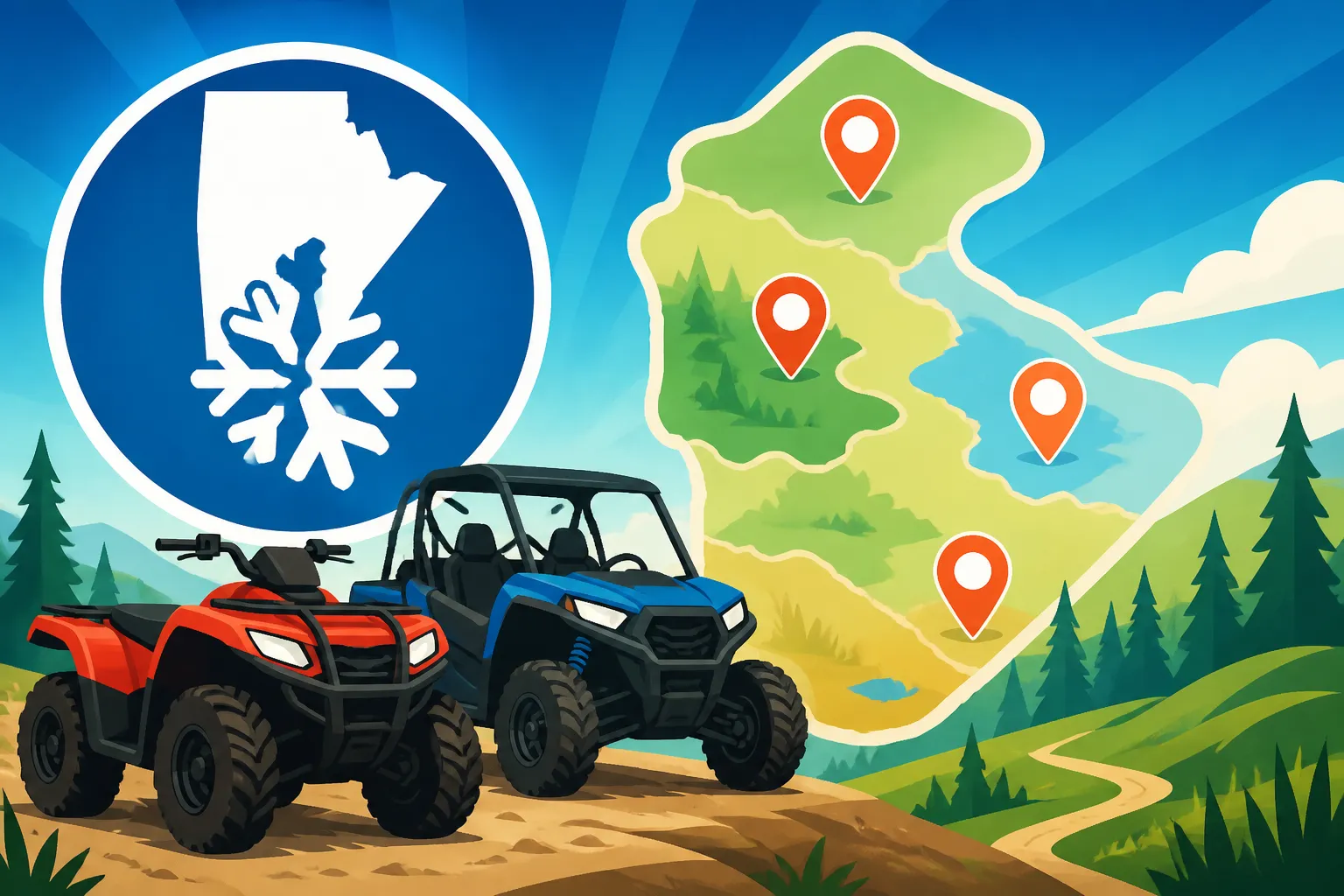
The main out-of-province reciprocity associated with the Manitoba Snopass is Saskatchewan. A Manitoba Snopass may be accepted for riding on participating Saskatchewan snowmobile trails under the provinces’ reciprocal arrangements. That can save a visitor from needing to buy a second trail permit for the covered trail system.
The word “participating” matters. A Snopass is not a general pass to ride anywhere in Saskatchewan, nor does reciprocity automatically grant access to every road, private property, trail or local club route. Trail operators may have conditions, closures or access limits that apply regardless of which province issued your pass.
Before heading west, check the current reciprocity terms with the relevant snowmobile organizations and the local club responsible for your planned route. Confirm that the Manitoba pass is accepted for the particular trail network and dates you intend to ride. If a route crosses provincial boundaries, check both sides: the pass may be recognized while a trail is closed, temporarily restricted or not maintained.
Do not assume a Manitoba Snopass is accepted in other provinces simply because Saskatchewan has a reciprocal arrangement. Reciprocity is an agreement between specific organizations or trail systems, not a universal rule that travels with the pass. If you are planning a trip elsewhere, contact the trail organization for that province and ask what permit a Manitoba-registered snowmobile needs.
| Where you plan to ride | What to assume about a Manitoba Snopass | What to confirm |
|---|---|---|
| Manitoba organized snowmobile trails | It is the relevant Manitoba trail permit, subject to applicable rules and conditions | That your permit is current and that the trail is open |
| Participating Saskatchewan trails | Reciprocity may allow the Manitoba pass to be used | Which trails and conditions are covered |
| Trails in another province | Do not assume the Manitoba pass is accepted | Whether a separate local permit is required |
| An ATV or UTV route | A Snopass does not function as an ATV or UTV trail pass | The machine-specific registration and access rules |
For a wider explanation of how the permit relates to Manitoba trail riding, see Manitoba Snopass Is for Snowmobiles Only. If you are deciding whether to buy a pass for a specific trip, Manitoba Snopass Reciprocity With Saskatchewan covers the cross-border question more directly.
What Reciprocity Does and Does Not Cover
Reciprocity concerns trail-permit recognition. It does not turn a Manitoba Snopass into a registration certificate, insurance policy, park permit or general licence to operate a snowmobile. Keep those separate requirements in mind when planning a trip.
It is not provincial registration
A snowmobile’s registration and trail permit serve different purposes. A Snopass is associated with access to organized trails; registration identifies the machine under the relevant provincial system. Having a valid Manitoba Snopass does not by itself prove that your snowmobile meets registration requirements in Manitoba or Saskatchewan.
Before leaving, check what registration documents you must carry and whether your home-province registration is sufficient for the trip. Also verify that the information on your documents matches the machine. A permit or registration document is less useful if the snowmobile’s identifying details are wrong or the paperwork is not available when requested.
For Manitoba-specific requirements, see Manitoba Registration for a Snowmobile. Visitors riding in Manitoba should also review Manitoba Visitors and Operating Rules, since a home-province permit does not excuse a rider from local operating rules.
It is not insurance
A trail permit should not be treated as proof of insurance. Check that the snowmobile has the coverage required for where it will be operated, and carry acceptable proof. The relevant insurance rules may depend on the province, the machine and the way it is being used.
This is especially important when riding across a border. A reciprocal trail arrangement can address the permit needed for a trail system without resolving whether your insurance meets local requirements. For more on Manitoba’s coverage rules, see Manitoba Insurance Rules for Visitors and Manitoba Snowmobile Trails and Quads for the distinction between snowmobile trails and other machine access.
It does not override local access rules
Even with an accepted pass, you still need to follow the rules of the place where you ride. A trail may be closed, have a seasonal restriction or be limited to certain machine types. Private land and controlled access areas may require permission. A pass does not make an unauthorized route legal.
Trail organizations can also set practical conditions, such as requiring riders to use designated routes or observe posted signs. Check the trail map and local notices rather than relying on a route remembered from an earlier season. Conditions can change because of weather, maintenance, land access or safety concerns.
It does not cover an ATV or UTV
The name can cause confusion for riders who own more than one type of off-road machine. A Manitoba Snopass is for snowmobile trail use. It is not an ATV or UTV trail permit, and it does not provide an ATV or side-by-side with permission to use snowmobile trails.
ATV and UTV registration, insurance and trail access are separate questions. If you are taking a quad or side-by-side instead of a snowmobile, do not rely on your Snopass. Start with the rules for that machine and the route you plan to use.
How to Check Before a Saskatchewan Ride
A few targeted checks can prevent a wasted trip or an avoidable dispute at a trailhead. Do them before loading the machine, especially if the route crosses the Manitoba-Saskatchewan boundary or depends on club-maintained trails.
- Confirm the pass is current. Check the pass details and any applicable terms. Do not assume a pass from an earlier season remains valid for a later trip.
- Ask whether your specific route is covered. Contact the local snowmobile organization or club. Ask whether a Manitoba Snopass is accepted on the trails you plan to ride, not just whether there is reciprocity in general.
- Check closures and route conditions. Look for current trail notices, detours and restrictions. An accepted pass does not reopen a closed trail.
- Verify registration and insurance requirements. Carry the documents required for your machine and confirm that your coverage applies where you will ride.
- Check local operating rules. Speed, equipment, age, helmet and road-crossing rules can differ by location. Follow the rules where the snowmobile is operating.
- Keep proof accessible. Carry your pass and required machine documents in a way that keeps them readable and available. A phone screenshot may be useful as a backup, but do not rely on it unless the organization confirms that it is accepted.
- Ask about adjoining trail systems. A route may connect to another club’s trails with different access conditions. Verify each segment rather than assuming one pass covers every connected route.
If the answer from a trail organization is unclear, ask a precise follow-up: “Is a Manitoba Snopass accepted on this named trail system for this riding period, and are there any additional permits or restrictions?” That is more useful than asking whether Manitoba and Saskatchewan have reciprocity in general.
When you cross into another province, treat the trip as travel under two sets of rules. Your Manitoba documents may remain valid for the purpose they serve, but local rules still govern riding on the destination’s trails. Why Your Home Province Registration Still Counts explains the registration side of a visit, while Visitors Follow Every Operating Rule Residents Do addresses the operating-rule side.
Common Mistakes to Avoid
The most common mistake is treating the Snopass as a universal trail ticket. It is better understood as a permit whose acceptance depends on the specific reciprocal arrangement and participating trail system. Confirm coverage for your route instead of relying on the pass name or a general statement about reciprocity.
Another mistake is confusing trail access with legal authority to operate the machine. A trail permit does not replace registration, insurance or compliance with local laws. Carrying the right pass does not make an unregistered or uninsured machine acceptable, and it does not permit travel on a closed route.
Riders also sometimes assume that reciprocity applies to every machine they own. It does not. A snowmobile permit is not a substitute for the documents and access permissions required for an ATV or UTV. If you are changing machines, check the rules again rather than transferring assumptions from one vehicle to another.
Finally, do not assume that a pass accepted in Saskatchewan will also be accepted in another province. Ask the destination’s snowmobile organization directly. Trail-permit reciprocity is specific, and an answer for one province should not be applied to another without confirmation.
The practical takeaway is straightforward: a Manitoba Snopass may be honoured on participating Saskatchewan snowmobile trails, but it is not a blanket permit for every route or province. Confirm the current arrangement for your trail, carry the machine’s required documents and follow local rules wherever you ride.
Disclaimer
This article is for general informational purposes only and does not constitute professional advice. Laws, prices and regulations vary by location and change over time. Consult a qualified professional for guidance on your specific situation.