The Median of a Divided Highway Is Closed
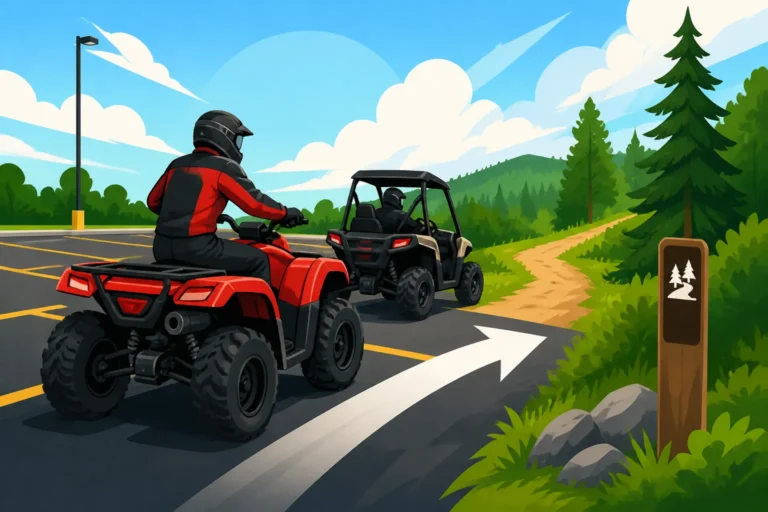
One of the most common mistakes off-road vehicle (ORV) enthusiasts make is assuming that if they can't ride on a paved road, any adjacent strip of land is fair game. This often leads to a dangerous and illegal misunderstanding regarding divided highways, specifically the median. Many riders, perhaps out of convenience or a lack of clear signage, will attempt to use the grassy or unpaved median strip of a divided highway as a transit route, unaware that this practice is not only prohibited but carries significant risks and penalties. This guide aims to clarify why the median of a divided highway is strictly off-limits for ATVs and UTVs in Manitoba, and to help you navigate the province's ORV regulations safely and legally.
Understanding Divided Highways and Medians in Manitoba
Before we dive into the specifics of why ORVs are barred from medians, let's make sure we're all on the same page about what a divided highway and its median actually entail. This foundational understanding is key to grasping the spirit and letter of the law.
What Exactly is a Divided Highway?
A divided highway, in simple terms, is a road with two separate directions of traffic flow, clearly separated by a physical barrier or space. This separator, often called a median, can take many forms. You might encounter a wide grassy strip, a concrete barrier, a gravel shoulder, or even a section with trees and other natural vegetation. The purpose of this division is primarily safety: it prevents head-on collisions, reduces headlight glare from opposing traffic, and often provides a safe recovery area for vehicles that might drift off the main lanes. Think of major arteries like parts of the Trans-Canada Highway (PTH 1) or other provincial highways where the eastbound and westbound lanes are distinctly separated. These are not merely wide roads; they are engineered for high-speed, controlled access, and the median is an integral part of that design.
Why the Median is Off-Limits for ORVs
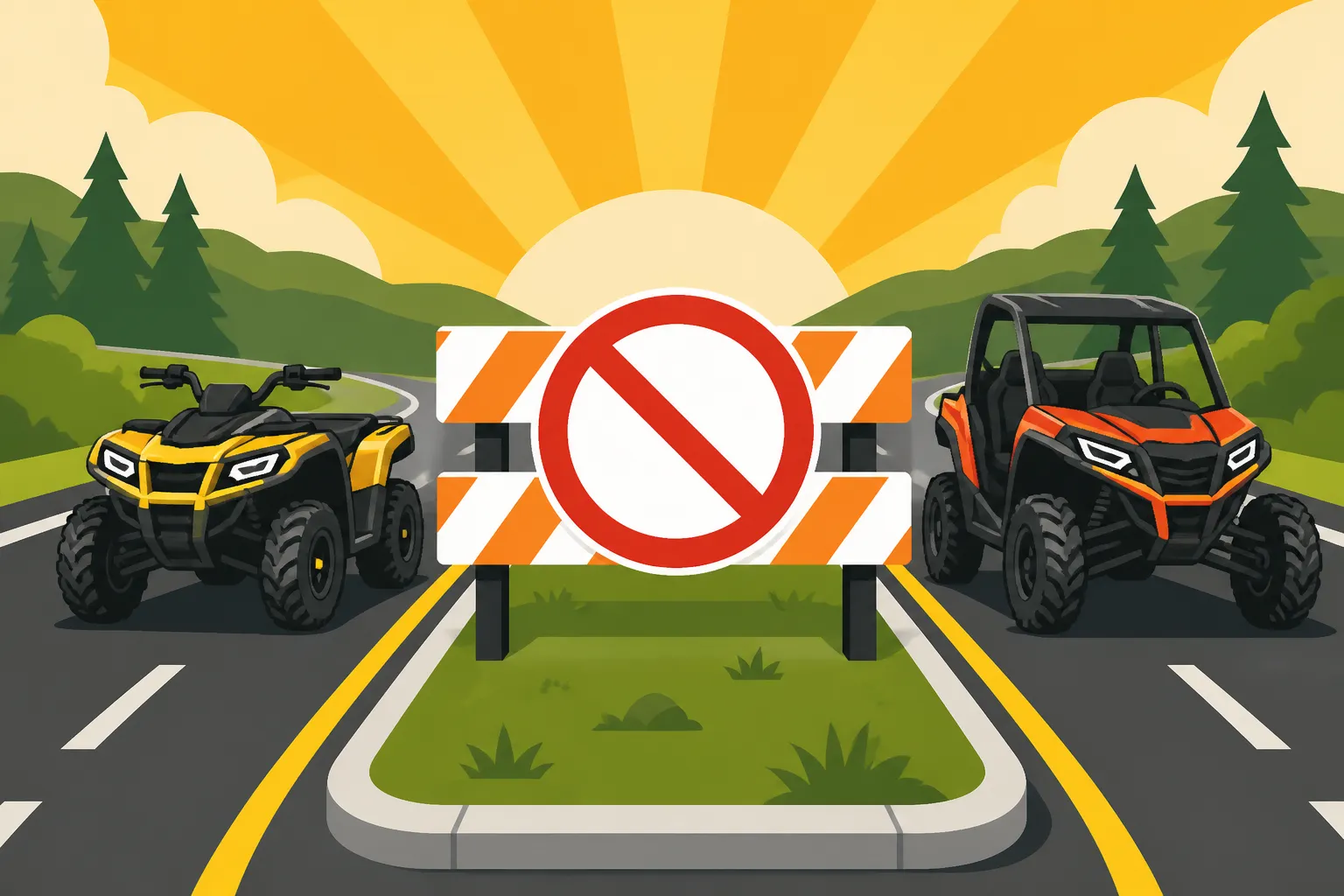
The reasons for prohibiting ORV use on medians are multifaceted, encompassing safety, environmental protection, and the integrity of traffic flow. Firstly, medians are not designed for ORV traffic. They often contain drainage culverts, hidden obstacles, changes in elevation, or even utilities that can be extremely hazardous to an off-road machine, especially at speed or in low visibility. Imagine hitting an unmarked concrete drain cover or a hidden rock while traversing a median – the outcome could be catastrophic. Secondly, using the median exposes ORV riders to incredible danger from high-speed vehicular traffic. Even if you believe you're well clear of the driving lanes, a slip, a mechanical issue, or even just the noise and distraction of passing vehicles can lead to a severe accident. Lawmakers recognize that introducing slower-moving, less visible ORVs into such an environment creates an unacceptable risk. This is why [The Median of a Divided Highway Is Closed] to all off-road vehicles.
The Dangers of Riding a Median
The impulse to take a shortcut or find a seemingly clear path can be strong, but the median of a divided highway presents a unique set of hazards that far outweigh any perceived convenience. Picture yourself on a powerful ATV or UTV, perhaps a unit from SuperATV equipped for rugged terrain, attempting to navigate a median strip. Even with the best equipment, the risks are immense. Highway traffic typically moves at high speeds, often 90 km/h or more. An ORV, even one travelling quickly, is significantly slower and less visible, especially to drivers focused on the flow of highway traffic. There's a severe risk of being struck by an out-of-control vehicle leaving the roadway or even being T-boned if you attempt to cross lanes to access or leave the median. Furthermore, medians are often littered with debris flung from passing vehicles – tire fragments, metal scraps, even large objects that could cause a tire blowout or severe damage to your machine. It’s a completely unpredictable and uncontrolled environment, starkly different from a dedicated trail or even a roadside ditch. The potential for serious injury or worse, not just for the ORV rider but also for highway motorists, is simply too high.
General Roadway Rules for ATVs and UTVs in Manitoba
Beyond the specific prohibition against median use, it's crucial for every ORV operator in Manitoba to understand the broader rules governing their interaction with public roadways. The underlying principle is quite clear, even if there are a few exceptions.
The Core Principle: Roadways Are Closed to Every Off-Road Machine
Let's cut right to the chase: [Roadways Are Closed to Every Off-Road Machine] in Manitoba. This is the fundamental rule that every ATV and UTV rider must internalize. It means you cannot simply drive your quad or side-by-side down a provincial highway, a municipal street, or even most town roads. These machines are designed for off-road environments, and the provincial legislature has drawn a firm line between the two. The law is in place to protect riders, pedestrians, and other motorists. Off-road vehicles lack many of the safety features, signaling capabilities, and often the speed and stability required to safely operate in mixed traffic. If you're caught riding your ORV on a prohibited roadway, you're not just risking a ticket; you're risking your life and the lives of others. This is a critical point that newcomers to the sport, or even seasoned riders in new areas, sometimes overlook.
Navigating Exceptions and Designated Crossing Points
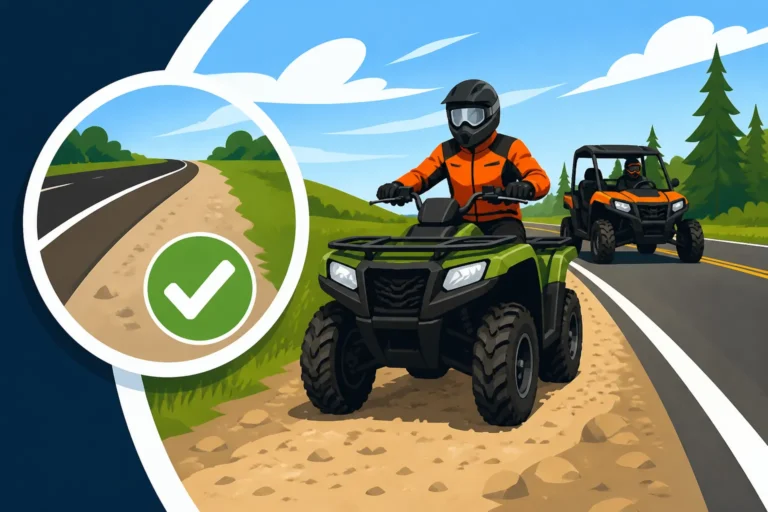
While the general rule is "no roadways," Manitoba's ORV Act does acknowledge that riders sometimes need to interact with roads to get from one trail segment to another or to access services. These are not blanket permissions to ride on roads, but rather strictly defined exceptions and crossing procedures. For instance, ORVs can legally cross a provincial highway or municipal road, but only under very specific conditions. These conditions often stipulate that you must stop, yield to traffic, cross at a 90-degree angle, and have a clear view of approaching traffic. There are also rules about how far you must be from an intersection or railway crossing when you make your move. For more detailed information on these critical maneuvers, refer to [Manitoba Crossing Rules at 5 Metres and 3 Kilometres] and [Manitoba Rules for Crossing a Highway]. You'll also find specific provisions for ditch riding in certain areas, particularly when accessing private property or for agricultural purposes, but these are distinct from riding on the roadway itself. [Manitoba Ditch Riding Rules] elaborates on the nuances of this, including the directive for [Manitoba Ditch Travel With Traffic]. It’s important to remember that these exceptions are not an invitation to treat all ditches as open trails; they are tightly regulated.
Sidewalks, Interchanges, and Other No-Go Zones
Just as medians are prohibited, so too are other parts of the road infrastructure that might seem tempting for an ORV. This includes sidewalks, which are explicitly reserved for pedestrians and are off-limits for ATVs and UTVs. Attempting to ride a sidewalk, even for a short distance, creates an immediate hazard for walkers, joggers, and children. Similarly, interchanges – the complex network of ramps and overpasses designed to move vehicles between major highways – are also forbidden territory. These areas are engineered for high-speed vehicular flow and present an extremely dangerous environment for an ORV. You cannot simply bypass traffic by using an interchange ramp or its associated shoulders. [Manitoba Bans Riding a Sidewalk] highlights this crucial restriction. The rule here, again, is about maintaining the safety and intended function of various parts of the road system. Any area designed solely for highway vehicles or pedestrians is generally considered a no-go zone for off-road machines.
Enforcement and Penalties for Roadway Violations
Understanding the rules is one thing, but it's equally important to know the consequences of breaking them. Manitoba law enforcement takes ORV regulations seriously, especially when it comes to unsafe operation on or near public roadways. Ignorance of the law is never a valid defense, and the penalties can range from significant fines to more severe legal repercussions.
What an Officer Can Ask to See in Manitoba
When you're out riding, whether on a designated trail, a permissible ditch, or unfortunately, where you shouldn't be, a conservation officer or an RCMP officer has the authority to stop you and request certain documentation. It's imperative to have your papers in order. This typically includes your ORV registration card, proof of ownership, and potentially a form of identification to confirm your age and eligibility to operate the machine. Remember, [Manitoba Registration Cards Carried at All Times] is a non-negotiable requirement. Just like with a car, if you don't have your registration or other necessary documents, you could face additional fines or delays. Ensure all your documents are kept in a waterproof bag or container, so they remain legible and intact, even after a muddy or wet ride. Officers are looking for compliance, and having your paperwork readily available demonstrates you're a responsible rider.
Common Fines for Illegal Roadway and Median Use
Getting caught riding your ATV or UTV on a median or any other prohibited roadway can result in a range of penalties. While specific dollar amounts can vary and are subject to change, expect fines that are designed to deter such dangerous behaviour. These aren't minor infractions. Riding where you shouldn't be, especially in high-risk areas like medians, can be considered careless operation, which carries significantly higher penalties. You might also face additional fines for not having proper registration, not wearing an approved helmet (if required for your specific riding scenario, see [Manitoba Helmet Law and Its Exemptions]), or for impaired operation. If you're involved in an accident while riding illegally, your insurance coverage could be nullified, leaving you personally liable for damages, which could be financially devastating. For a general understanding of potential financial repercussions, you might want to review information on [Manitoba Ticket Costs for Riders]. Remember, the goal of these penalties isn't just punishment; it's to enforce safety and prevent future incidents.
Protecting Yourself: The Importance of Knowing the Rules
Ultimately, the best way to avoid fines, ensure your safety, and protect your investment (which might include quality parts from SuperATV) is to be intimately familiar with Manitoba's ORV regulations. This means not just knowing where you can ride, but also how you can ride there, including age restrictions – for example, [Manitoba Rules for a 16-Year-Old Rider] provides specific guidance for younger operators. It's about proactive learning rather than reactive dealing with consequences. Utilize resources from Manitoba Public Insurance (MPI), local ATV clubs, and provincial government websites. Don't rely on hearsay or assumptions, and certainly don't follow the bad examples of others. Plan your routes in advance, ensuring you stick to designated trails, private property with permission, or legally accessible ditches. If in doubt, err on the side of caution. An informed rider is a safe and responsible rider, contributing positively to the ORV community and ensuring that these activities can be enjoyed for years to come.
| Aspect of Roadway Use | Legal Status for ORVs | Key Considerations |
|---|---|---|
| Divided Highway Median | PROHIBITED | Extremely dangerous due to high-speed traffic, hidden obstacles, and legal penalties. |
| Paved Roadways (General) | PROHIBITED | ORVs lack safety features for mixed traffic. Violations lead to fines and accidents. |
| Sidewalks | PROHIBITED | Reserved for pedestrians; poses severe hazard to walkers and legal penalties. |
| Interchanges/Ramps | PROHIBITED | Designed for high-speed highway vehicles; extremely dangerous for ORVs. |
| Roadside Ditches | LIMITED EXCEPTION | Permitted under specific conditions (e.g., agricultural, crossing access), often for specific machine types, and typically requiring travel in the same direction as traffic. |
| Designated Crossings | PERMITTED (Conditional) | Allowed only at specific points, with strict rules: stop, yield, clear view, 90-degree angle. |
| Private Land (with permission) | PERMITTED | Always ensure you have explicit consent from the landowner before riding. |
By adhering to these strict guidelines, we can ensure the safety of all road users and preserve the enjoyment of off-road riding in Manitoba. It’s a small price to pay for responsible recreation.
Disclaimer
This article is for general informational purposes only and does not constitute professional advice. Laws, prices and regulations vary by location and change over time. Consult a qualified professional for guidance on your specific situation.