Manitoba Rules for Riding Crown Land
There’s something truly special about heading out into Manitoba’s vast wilderness on your ATV or UTV. That feeling of freedom, exploring untouched landscapes, and the sheer challenge of navigating the backcountry is a huge draw for many of us. But along with that sense of adventure comes the responsibility of knowing where you can and can't ride, especially when it comes to Crown land. It can feel like a maze of regulations, leaving you wondering if you're ever truly allowed to just go. This guide will cut through the confusion and lay out the essential rules for riding your off-road machine on Manitoba's Crown land, so you can ride confidently and legally.
Understanding Crown Land in Manitoba: What Does it Mean for Riders?
Manitoba is blessed with an incredible amount of public land – what we call Crown land. It stretches from the rich agricultural areas in the south to the vast boreal forests and tundra in the north. This land belongs to all Manitobans, and it's managed by the provincial government for a variety of uses, including recreation, resource development, and conservation. For off-road enthusiasts, Crown land often represents the ultimate playground, promising endless trails and untouched natural beauty.
The Lure of Unspoiled Wilderness (and the Rules That Come With It)
The appeal of Crown land is undeniable. You dream of striking out on a path less travelled, discovering hidden lakes, and truly immersing yourself in nature without the confines of designated park trails or private property lines. It's that vision of rugged adventure that fuels many purchases of new quads and side-by-sides. However, this isn't a free-for-all. While the land is public, its use is governed by a patchwork of provincial acts, regulations, and sometimes even local municipal bylaws. What seems like an open invitation to explore can quickly become a headache if you’re not aware of the specific rules.
Many riders, especially those new to the sport or new to Manitoba, find it frustratingly difficult to figure out where they're actually allowed to go. There isn't always a convenient map marking every legal trail on Crown land, and what might be permitted in one area could be strictly forbidden just a few kilometers away. This uncertainty can dampen the spirit of adventure, as no one wants to inadvertently break the law or damage a sensitive environment. Understanding these underlying principles is the first step to truly enjoying the vast opportunities Crown land offers.
General Principles for Accessing Crown Land with an ORV
When it comes to accessing Crown land with an ORV, the baseline principle is often described as "permitted unless prohibited." This stands in stark contrast to private land, where the rule is generally "prohibited unless permitted" – meaning you need explicit permission from the landowner. On Crown land, you generally have a right of access, but this right is limited by specific laws, regulations, and sometimes temporary closures. This means you need to be proactive in understanding these limitations rather than assuming you can ride anywhere.
These limitations exist for good reason: to protect the environment, ensure public safety, and manage the various competing uses of Crown land. For example, some areas might be sensitive ecological zones, others might be active forestry operations, and still others could be traditional territories or areas under specific wildlife management plans. Your job as a responsible rider is to be aware of these considerations. This means doing your homework before you head out, respecting posted signs, and always practising ethical riding that minimizes your impact on the land and its other users. The more you educate yourself, the more you can enjoy the vastness of Manitoba’s public domain without worry.
Key Regulations for Riding Crown Land
Even when you're deep in the wilderness on Crown land, you're not exempt from the core rules governing ORV operation in Manitoba. Think of it this way: the environment might be wild, but the regulations are anything but. These rules are designed to ensure safety, minimize environmental impact, and help fund the infrastructure we all benefit from. Ignoring them, even unintentionally, can lead to serious consequences and spoil a perfectly good day out.
The Universal Rules: Registration, Insurance, and Safety Gear
First and foremost, your off-road machine, whether an ATV or a UTV, must be properly registered with Manitoba Public Insurance (MPI). This is not just a formality; it's a legal requirement that applies whether you're riding a groomed trail, crossing a ditch, or exploring a remote piece of Crown land. [Manitoba ORV Registration Through MPI] explains this process in detail, but the key takeaway is that an unregistered machine is an illegal machine, regardless of its location. This registration automatically includes basic third-party liability insurance, which is crucial should an accident occur. While this basic coverage is essential, it's worth noting that it doesn't cover your own injuries or damage to your machine, so many riders choose to purchase additional coverage for peace of mind. [Manitoba Insurance Included With Registration] provides more context on this.
Beyond registration and basic insurance, personal safety equipment is non-negotiable. A helmet meeting approved safety standards is mandatory for all ORV operators and passengers in Manitoba, with very few specific exemptions. This rule applies equally on Crown land as it does anywhere else. [Manitoba ATV Helmet Law] delves into the specifics, but suffice it to say, protecting your head is paramount. Furthermore, you must always carry your registration card with you when operating your ORV. An officer can ask to see it at any time, and not having it readily available can lead to fines. Keeping it in a waterproof bag or a secure pocket is always a good idea when you're out on the trails. [Carrying Your Registration Card on Every Ride] stresses this important point.
Environmental Protection and Restricted Areas
Manitoba's Crown land includes incredibly diverse and often delicate ecosystems. From sensitive wetlands to regenerating forest plantations, not all areas can withstand the impact of ORV use. This is why certain zones on Crown land are either entirely off-limits to ORVs or have strict usage regulations. For instance, riparian areas (land directly adjacent to water bodies) are particularly vulnerable to erosion and disturbance, making them areas where you need to exercise extreme caution or avoid entirely. [Manitoba Sensitive Areas to Avoid] touches on some of these areas. Similarly, during certain times of the year, especially hot, dry periods, wildfire season can lead to significant restrictions or outright closures of Crown land to all motorized traffic. These closures are put in place to protect lives, property, and the environment from devastating fires. It's your responsibility to check current fire restrictions and area closure orders before heading out. [Manitoba Wildfire Season Rules for Riders] and [Manitoba Area Closures During Fire Season] are crucial resources for this.
Beyond environmental sensitivity, there are also areas on Crown land managed for specific purposes, such as wildlife management areas, ecological reserves, or areas designated for forestry regeneration. Riding through these zones without permission or during restricted periods can disrupt wildlife, damage young trees, or interfere with scientific research. Always look for signage, consult local maps, and if in doubt, choose another route. The goal is to leave no trace and ensure these precious landscapes remain healthy for future generations of riders and other users.
Respecting Other Users and Wildlife
Crown land is a shared resource, and you'll often encounter other people enjoying the outdoors, sometimes in very different ways. Hikers, mountain bikers, horseback riders, hunters, trappers, and campers all have a right to enjoy these spaces. As an ORV operator, it’s important to be courteous and yield the right-of-way, especially to non-motorized users. Slow down, give them plenty of space, and be mindful of noise levels, particularly near campsites or popular hiking trails. Your loud exhaust or high speed can quickly diminish another person's peaceful wilderness experience.
Wildlife is another critical consideration on Crown land. You are a visitor in their home. It's important to keep your distance, avoid chasing or disturbing animals, and never intentionally drive towards wildlife. [Manitoba Wildlife on the Trail] provides more insight into common encounters. Additionally, if you're out during hunting season, be aware of hunters in the area. While ORVs can be used for access, there are strict rules about using them for actual hunting or game retrieval. [Manitoba Hunting Access by Machine] and [Manitoba Game Retrieval by Machine] detail what's allowed and what's not. Always remember that your actions reflect on the entire off-road community, and responsible, respectful behaviour helps maintain access for everyone.
Specific Scenarios and Practical Advice for Crown Land Riding
Navigating Crown land successfully requires more than just knowing the general rules; it requires practical strategies for planning, preparing, and executing your rides. From finding your way to respecting existing land uses, a little foresight goes a long way.
Navigating Crown Land Maps and Designated Trails
One of the biggest frustrations for many riders is the lack of a single, comprehensive map showing all legal ORV trails on Crown land in Manitoba. Unlike some provinces or national parks, Manitoba doesn't always have a clear, universal system of marked and maintained off-road trails on all Crown land. Often, what you'll find are informal tracks, old logging roads, or multi-use corridors. This means you often have to rely on a combination of resources: provincial land-use maps (available through Manitoba's sustainable development department), local ATV club maps (which often highlight trails they maintain or have permission to use), and even satellite imagery. [Manitoba ATV Trail Map Downloads] can be a great starting point for finding some of these resources.
When planning your route, don't assume that every existing track or road is open to ORVs. Some may be on private land, through Crown leases, or within restricted zones. Always cross-reference with available maps and information. This is where modern navigation tools come into their own. A reliable GPS unit, paired with detailed topographic maps or dedicated trail apps, can be an invaluable asset. For securing these devices to your machine, especially in rough terrain, robust mounts and protective cases are essential. Brands like SuperATV offer a variety of accessories, from sturdy GPS mounts to rugged storage solutions, that can keep your electronics safe and accessible while you navigate the backcountry. This commitment to preparation will not only keep you on the right path but also enhance your overall riding experience.
Crown Leases and Private Property Within Crown Land
Here’s a common pitfall that trips up many riders: just because land is surrounded by Crown land, or appears on a general map as part of a Crown land block, doesn’t automatically mean it’s public access. Manitoba has numerous Crown leases – parcels of Crown land leased out for various purposes, such as agriculture, grazing, remote cabins, commercial tourism operations, or forestry. These leases grant the leaseholder exclusive rights to that specific parcel of land. Think of it as private property for the duration of the lease.
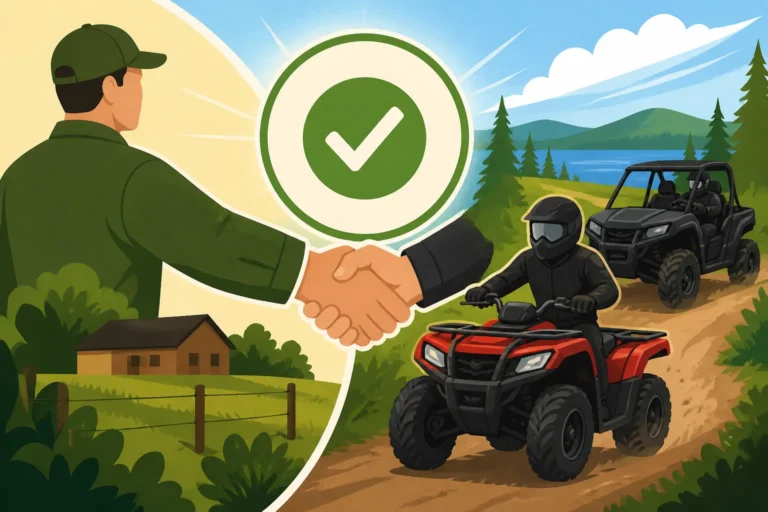
Riding across a Crown lease without permission from the leaseholder is considered trespassing, just as if you were on private farmland. This can lead to confrontations, fines, and resentment from leaseholders who are trying to manage their operations. Before heading into an area, it's vital to identify if there are any Crown leases on your intended route. Sometimes these are well-marked, but often they are not. [Manitoba Crown Lease Access Rules] explains that you must obtain permission from the leaseholder to cross their leased land. If you're unsure, it's always best to err on the side of caution and find an alternative route, or better yet, contact the relevant land management office or local ATV club for clarification. A little investigative work beforehand can save you a lot of trouble on the trail.
Camping, Hunting, and Resource Use on Crown Land
Crown land offers fantastic opportunities for camping, hunting, and even harvesting some natural resources, but again, there are rules to follow. For camping, generally, random camping is permitted on most Crown land for a limited duration (often up to 21 days in one spot), unless it's a restricted area or a provincial park (which has its own specific camping regulations and designated sites). Always practice "Leave No Trace" principles: pack out everything you pack in, minimize your campfire impact, and properly dispose of human waste. [Manitoba Burning Permit Rules] are critical to check, especially during dry seasons; unattended campfires or fires outside of approved pits during a ban can lead to severe penalties.
When it comes to hunting, ORVs can be used to access hunting areas or to retrieve game, but they cannot be used to actually hunt animals (e.g., shooting from an ORV). Specific zones and seasons apply, and all hunters must possess the appropriate licenses and adhere to all hunting regulations. [Manitoba Hunting Access by Machine] and [Manitoba Game Retrieval by Machine] clarify these points. For gathering resources like berries, mushrooms, or a limited amount of firewood for personal use, it’s generally allowed. However, anything commercial, or taking large quantities of timber, requires specific permits from the province. For riders planning multi-day trips involving camping or hunting, carrying essential gear is paramount. Utility racks, cargo boxes, and storage bags – many of which are available from trusted brands like SuperATV – can help you carry everything from extra fuel and water to your camping setup and recovered game, making your Crown land adventures more practical and enjoyable.
Here's a quick summary of essential considerations for Crown land riding:
| Aspect | Do's | Don'ts |
|---|---|---|
| Registration & Safety | Register your ORV & carry card; wear approved helmet. | Ride unregistered; ignore helmet laws. |
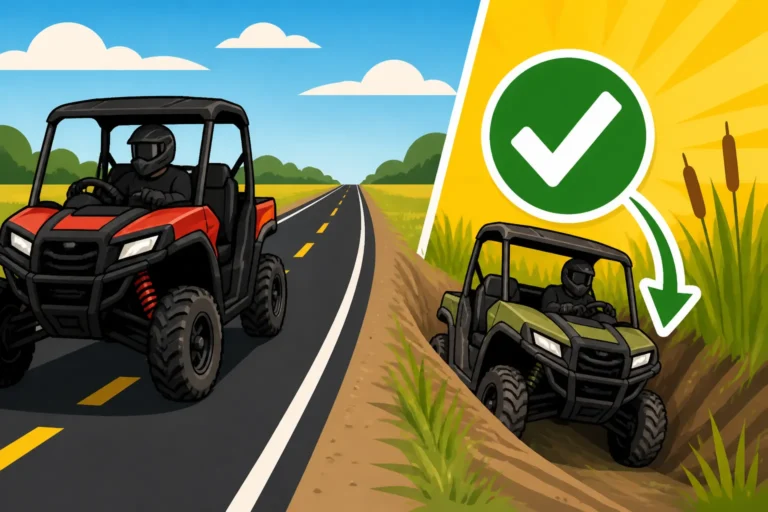
| Environmental | Stick to established tracks; check for fire bans & closures. | Create new trails; disturb sensitive areas; leave garbage. |
| Other Users | Yield to hikers/horses; be mindful of noise near camps. | Speed recklessly; make excessive noise; confront others. |
| Crown Leases | Obtain permission from leaseholders if crossing. | Trespass on leased land without permission. |
| Wildlife | Keep distance; avoid disturbing animals. | Chase or harass wildlife; shoot from your ORV. |
| Navigation | Use GPS/maps; consult local ATV clubs. | Rely solely on memory; assume all tracks are legal trails. |
| Camping/Harvesting | Practice "Leave No Trace"; follow burning permit rules. | Leave waste; have unapproved fires; harvest commercially without permits. |
| Preparedness | Carry emergency gear, first aid, communication. | Ride alone unprepared; assume cell service. |
Avoiding Common Pitfalls and Riding Responsibly
Even the most seasoned riders can occasionally find themselves in a bind, but many common issues can be avoided with a little foresight and a commitment to responsible riding. Crown land offers incredible experiences, but it demands respect and preparation.
The "What You Don't Know Can Hurt You" Factor
One of the biggest misconceptions is that ignorance of the law is an acceptable excuse. Unfortunately, when it comes to ORV regulations on Crown land, it simply isn't. If you're caught riding in a prohibited area, operating an unregistered machine, or failing to wear proper safety gear, you can face significant penalties, including substantial fines and potentially having your machine impounded. These penalties are often steep and can quickly turn a fun day out into a very expensive lesson. [Manitoba Ticket Costs for Riders] can give you an idea of the financial impact.
It's not just about avoiding tickets, though. Riding without proper knowledge can also put you and others at risk. Entering restricted areas could mean inadvertently riding into active logging operations, through private hunting blinds, or onto environmentally sensitive ground that's simply not safe or appropriate for an ORV. Always take the time to research your route, check for any area-specific restrictions (sometimes posted at access points or found on provincial websites), and don't be afraid to ask for clarification from local authorities or experienced riders. It's much better to ask a few questions beforehand than to deal with the aftermath of a preventable incident.
Being Prepared for the Backcountry
Crown land, by its very nature, can be remote and isolated. Cell service is often non-existent, and help can be hours away. This means you need to be entirely self-sufficient and prepared for any eventuality. Your checklist should go beyond just fuel and snacks. Consider packing a comprehensive first aid kit, essential tools for minor repairs, extra water and food, a sturdy winch, a spare belt, and reliable communication devices like a satellite messenger or a two-way radio if cell service is unreliable. [First Aid on a Long Manitoba Loop] is a good article to review for packing essentials.
Equipping your machine properly for the challenges of the Manitoba backcountry is also key. Aftermarket accessories from companies like SuperATV can make a huge difference in your safety and capability. A high-quality winch, for example, is invaluable for self-recovery if you get stuck in mud or deep snow. Upgraded skid plates can protect vital components from hidden rocks and stumps. And having the right tires, suited for everything from muskeg to rocky terrain, ensures better traction and control, ultimately reducing your chances of getting into trouble. Investing in these preparations isn't just about convenience; it's about responsible risk management when venturing into the wilderness.
Connecting with the Off-Road Community
One of the best resources for navigating the complexities of Crown land riding in Manitoba is the local off-road community itself. Joining an ATV or UTV club can provide you with a wealth of knowledge, access to club-maintained trails (often with explicit permissions), and opportunities to ride with experienced individuals who know the local terrain and regulations inside and out. [Manitoba ATV Clubs Worth Joining] offers more information on this. Clubs often have up-to-date information on trail conditions, temporary closures, and specific by-laws that might affect your ride.
Furthermore, participating in club activities, such as organized rides or trail maintenance days, is a fantastic way to give back to the sport and help ensure that access to riding areas is preserved for everyone. These groups often advocate for riders' rights, work with provincial authorities to establish new trails, and educate members on responsible riding practices. By connecting with fellow enthusiasts, you not only gain valuable insights but also become part of a larger effort to promote safe, sustainable, and enjoyable off-road recreation in Manitoba. The shared knowledge and camaraderie can make all the difference in making your Crown land adventures truly memorable.
Disclaimer
This article is for general informational purposes only and does not constitute professional advice. Laws, prices and regulations vary by location and change over time. Consult a qualified professional for guidance on your specific situation.