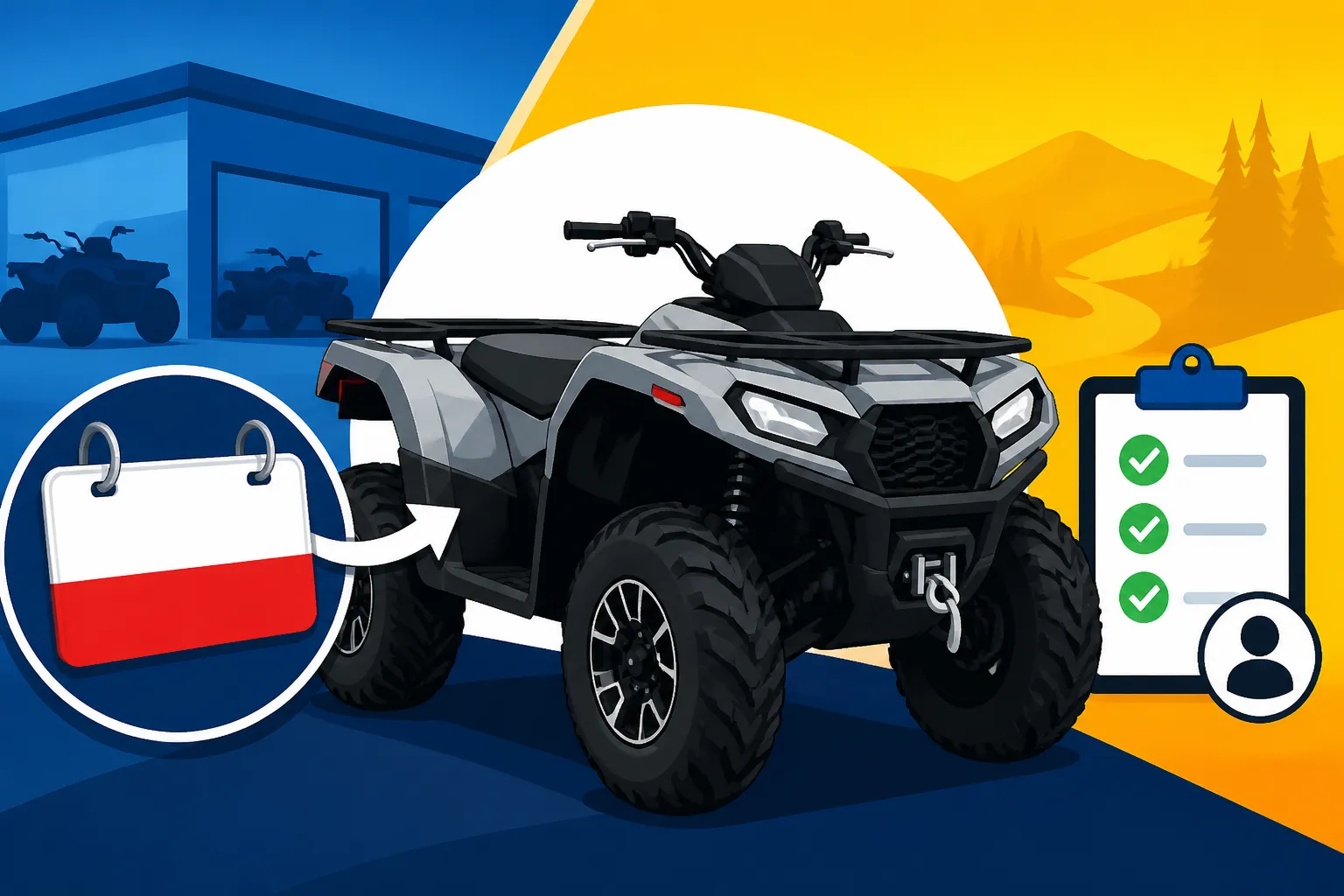
How Dealer Plates Work on an Unsold Quad
It can be a bit confusing to drive past a powersports dealership in Manitoba and see a lineup of brand-new ATVs and UTVs, maybe even some shiny used ones, all sitting there without a visible registration plate. Or perhaps you've seen a dealer moving a machine, and it has a special temporary-looking plate. This guide will help demystify how dealer plates work specifically for unsold off-road vehicles (ORVs) in Manitoba, explaining their purpose, how they're used, and what that means for you as a potential buyer.
Understanding the Purpose of Dealer Plates in Manitoba
When you think about vehicle registration, you usually picture your own personal plate, right? The one that signals your machine is legally allowed to operate on designated trails, ditches, or private land with permission. However, for dealerships, the situation is a bit different. They handle a high volume of machines that are constantly coming and going, and it wouldn't make sense for them to register every single ATV or UTV individually only for it to be sold a few weeks later. That's where dealer plates come in, acting as a temporary, blanket registration for their inventory.
Why Dealers Need a Special Registration Category
Imagine a large dealership with dozens, sometimes hundreds, of off-road vehicles on their lot. Each one arrives from the manufacturer or is taken in as a trade. If the dealer had to register and insure every single one of those machines under the standard individual process, the administrative burden and cost would be astronomical. This cost would, inevitably, be passed directly to you, the customer, making your dream machine even more expensive. The Manitoba government recognizes this unique business need, providing a system that allows dealers to legally possess and operate these machines for specific business-related purposes without individual registration. It's an exemption designed to facilitate commerce within the powersports industry.
This special category of registration is specifically detailed in Manitoba's regulations for off-road vehicles. It allows dealers to manage their stock efficiently, ensuring they can legally move machines around, perform necessary checks, and even demonstrate them, all within defined boundaries. Without this system, the entire sales process for new and used ATVs and UTVs would grind to a halt, or at least become incredibly cumbersome and costly for everyone involved. It simplifies the paperwork immensely for the dealer, which ultimately benefits the consumer by keeping overheads manageable.
The Legal Framework Behind Dealer Plates
The authority for these special plates stems directly from Manitoba's legislation governing off-road vehicles. This framework outlines precisely who can obtain dealer plates, the conditions under which they can be used, and what machines they apply to. Essentially, a dealer plate acts as a temporary identifier that links the machine back to the licensed dealership. It signifies that the ATV or UTV is part of the dealer's inventory, awaiting sale, and is therefore covered under the dealer's specific insurance and registration provisions. This isn't a loophole; it's a carefully crafted part of the regulatory system that keeps the market moving.
The dealer plate itself is a physical marker, much like a regular license plate, but it carries a distinct design or numbering system that immediately identifies it as belonging to a commercial entity. This clear distinction helps enforcement officers quickly recognize that a machine is being operated under a dealer's authority rather than being an unregistered personal vehicle. The regulations also specify penalties for misuse, ensuring that these plates are not treated as a free pass for personal riding or other non-commercial activities. Dealers must adhere strictly to these rules, understanding that their privilege to use such plates is contingent on compliance. You can learn more about [Manitoba Dealer Plate Exemption] if you're curious about the specifics of this allowance.
How Dealers Utilize Plates for Unsold ATVs and UTVs
Dealer plates are not just for show; they serve several critical functions in the day-to-day operations of an ATV and UTV dealership. They provide the legal basis for dealers to interact with their inventory in ways that would otherwise be illegal if the machines were considered unregistered. This includes everything from initial setup to demonstrating the machine's capabilities to a potential buyer.
Moving Inventory and Internal Operations
One of the most common uses for a dealer plate is simply moving machines. Picture a delivery truck pulling up to the dealership, offloading several new quads. These machines need to be moved from the receiving area to the showroom, or perhaps to a service bay for pre-delivery inspection and assembly. A dealer plate allows staff to legally ride or drive these machines short distances within the dealership's property, or even between different dealership locations if they have multiple lots. It prevents the need to tow every single unit, making internal logistics far more efficient.
Beyond simple movement, dealer plates cover various internal operational needs. This might include taking a UTV for a test run after a repair to ensure everything is working correctly, or moving an ATV to a detailing bay to prepare it for sale. These are all legitimate business activities where the machine is still considered part of the dealer's unsold inventory. The plate confirms that the machine is under the care and responsibility of the dealership, operating under their commercial insurance policy, which is a crucial aspect of [Manitoba Insurance Included With Registration] once it's sold to a private owner.
Test Drives and Demonstrations
Perhaps the most public-facing use of a dealer plate is for test drives and demonstrations. When you're considering buying an ATV or UTV, you might want to feel how it handles, listen to the engine, or test out its features. A dealer can affix a dealer plate to the machine, allowing you (often accompanied by a dealership employee) to take it for a spin on a designated area, or sometimes even a short run on public land where ORVs are permitted, depending on local bylaws and dealer policies. This is vital for the sales process, as it allows customers to make informed decisions based on real-world experience.
It's important to remember that even during a test drive, the machine is still legally owned by the dealership and is under their dealer plate. The individual test driving it is operating it under the dealer's permission and insurance. This contrasts sharply with buying from a private seller, where you're responsible for ensuring the machine is properly registered and insured before you take possession, often through a process like [Manitoba Transfer of Ownership Rules]. The ability to offer a legal test drive is a significant advantage for dealerships, allowing them to showcase their products effectively and build customer confidence.
Transporting to Events or Service Centres
Dealerships often participate in community events, trade shows, or promotional activities. They might want to display their latest models or demonstrate new features. A dealer plate permits them to transport these unsold ATVs and UTVs to and from these events on public roads, or even operate them within a closed event area for demonstration purposes. This expands their marketing reach and allows them to engage with potential customers beyond the confines of their physical showroom.
Similarly, if an unsold machine requires specialized service or warranty work that can't be performed in-house, a dealer plate facilitates its legal transport to an external service centre. Instead of having to register the machine for a one-off trip, the dealer plate covers this business necessity. This flexibility ensures that inventory is always in top condition and can be moved efficiently for any commercial purpose, from a service appointment to a marketing display.
The Strict Rules and Limitations Governing Dealer Plates
While dealer plates offer significant flexibility for dealerships, they are not a free pass. Manitoba has very specific rules and limitations governing their use to prevent abuse and ensure public safety. These regulations are designed to differentiate between commercial operations and personal use, maintaining the integrity of the registration system.
Who Can Use a Dealer Plate and For What Purpose
Dealer plates are strictly for use by the dealership itself, typically by an owner, manager, or authorized employee. The primary purpose is to facilitate the sale or service of off-road vehicles. This means the machine bearing the plate must be part of the dealer's inventory or undergoing preparation for sale or delivery. You won't see a dealer driving their personal quad around on the weekend with a dealer plate attached, and if you did, it would be a clear violation of the rules.
The scope of use is tightly defined. It covers moving machines on the lot, transporting them to another branch, taking them for servicing, conducting legitimate test drives, or participating in business-related events. Any use outside of these commercial activities is prohibited. For example, an employee cannot borrow a dealer-plated ATV for a personal hunting trip, nor can the dealer lend it to a friend for recreational riding. This strict adherence ensures that the exemption is used as intended and doesn't become a loophole for avoiding standard registration and insurance requirements.
Prohibited Uses and Consequences of Misuse
Misusing a dealer plate can lead to serious consequences for the dealership. Using a dealer plate for personal recreation, lending it to someone for non-commercial purposes, or using it on a machine that isn't part of the dealer's inventory are all clear violations. Such misuse can result in fines, penalties, and even the revocation of the dealer's privilege to hold dealer plates. The government takes these rules seriously because they impact public safety and the fairness of the registration system.
For example, if a dealer-plated UTV is involved in an accident while being used for a prohibited personal activity, there could be significant insurance implications, potentially leaving the dealership liable. This is why reputable dealers are extremely diligent about following the rules. They understand that the privilege of using dealer plates is tied to responsible, business-specific use. When you buy a machine, ensure you understand the paperwork you receive, perhaps using resources like LawDepot to clarify terms, to ensure a smooth transfer of ownership and avoid any issues with the machine's previous dealer plate status.
Duration and Validity of Dealer Plates
Dealer plates are issued for a specific period, usually annually, and must be renewed by the dealership. They don't have an indefinite lifespan. Once a machine is sold, the dealer plate must be removed, and the new owner is responsible for registering the ATV or UTV in their own name immediately. The dealer plate effectively ceases to apply to that specific machine the moment it changes hands.
This transition period is critical. While a dealer might temporarily allow a buyer to take a newly purchased machine home with a dealer plate still affixed for a very short, specified period (e.e., a few hours for pickup, or specific dealer terms for delivery), the expectation is that the buyer will register it promptly. In Manitoba, [Manitoba Transfer of Ownership Steps] clearly outline the responsibilities of both buyer and seller in this process. A dealer plate is never a substitute for an individual's long-term registration.
Transitioning from Dealer Plate to Your Own Registration
So, you've picked out your dream ATV or UTV from a Manitoba dealer. It's been riding around on their dealer plate, but now it's yours. What happens next? The transition from the dealer's temporary plate to your permanent, personal registration is a straightforward process, primarily handled through an Autopac agent.
The Sales Process and Initial Paperwork
When you purchase an ATV or UTV from a licensed Manitoba dealer, they will handle most of the initial sales paperwork for you. This includes preparing a bill of sale, collecting any applicable sales tax, and often initiating the registration process on your behalf. They'll also provide you with all the necessary documents, such as the New Vehicle Information Statement (NVIS) for a new machine, or proof of transfer for a used one. This is a crucial step because these documents prove you are the new owner. [Manitoba Dealer Paperwork at Delivery] outlines what you should expect to receive.
Before you leave the dealership, make sure you understand exactly what paperwork you have and what your next steps are. A reputable dealer will walk you through this. You might even want to consult resources like LawDepot if you have any questions about the legal validity of the sales contract or bill of sale, ensuring all details are correctly recorded for your peace of mind.
Registering Your Newly Purchased Machine
Once you've bought your ATV or UTV, the dealer plate comes off, and you'll need to register the machine in your name with Manitoba Public Insurance (MPI) through an Autopac agent. This is where your personal registration plate is issued, and your machine is officially added to the provincial registry under your ownership. The registration process includes paying any outstanding taxes, the provincial trails fee, and setting up your insurance coverage. Your Autopac agent will guide you through this, making sure all the i's are dotted and t's are crossed.
This is also the point where you'll pay the [Manitoba RST Collected at Registration], if it wasn't already paid to the dealer (which it usually is for new machines). The entire process is designed to be as seamless as possible, ensuring that your machine is legally ready to hit the trails or fields as soon as you take possession. Remember, you can't legally operate your machine on public land without proper registration and insurance in your name, even if you just drove it off the dealer's lot.
Understanding Your Responsibilities as a New Owner
As the new owner, your primary responsibility is to ensure your ATV or UTV is properly registered and insured before you begin to operate it. This means obtaining your own personal plate, carrying your registration card, and having appropriate insurance coverage. The basic registration through MPI includes a certain level of third-party liability, but many riders opt for additional coverage to protect their investment against theft, collision, or other perils.
It's also your responsibility to be aware of and abide by all of Manitoba's off-road vehicle laws, from helmet requirements to where you can legally ride. The convenience of a dealer plate is now a thing of the past for that specific machine, and the full responsibility shifts to you. While the dealer provided a service by using their plate for display and sale, your ongoing legal use of the machine depends entirely on your compliance with provincial registration and operating rules. You can find comprehensive information on topics like [Manitoba ORV Registration Cost] and [How to Register an ATV in Manitoba] to help you through this process.
Here's a quick overview of the key differences:
| Feature | Dealer Plate (Unsold Machine) | Personal Registration (Owned Machine) |
|---|---|---|
| Purpose | Business operations, sales, service, demos | Personal recreational, utility, or commercial use |
| Issued To | Licensed dealership | Individual owner(s) |
| Coverage | Dealer's commercial insurance | Owner's personal Autopac and optional coverage |
| Used By | Authorized dealer staff, supervised customers | Owner, authorized operators (e.g., family) |
| Duration | Valid while part of dealer inventory | Annually renewable, tied to Autopac policy |
| Cost | Part of dealer's overhead | Fees for registration, trails, insurance |
| Transfer of Ownership | Not applicable; removed upon sale | Required upon purchase, new owner registers |
| Plate Type | Distinct dealer-specific design/numbering | Standard provincial ORV plate |
Disclaimer
This article is for general informational purposes only and does not constitute professional advice. Laws, prices and regulations vary by location and change over time. Consult a qualified professional for guidance on your specific situation.