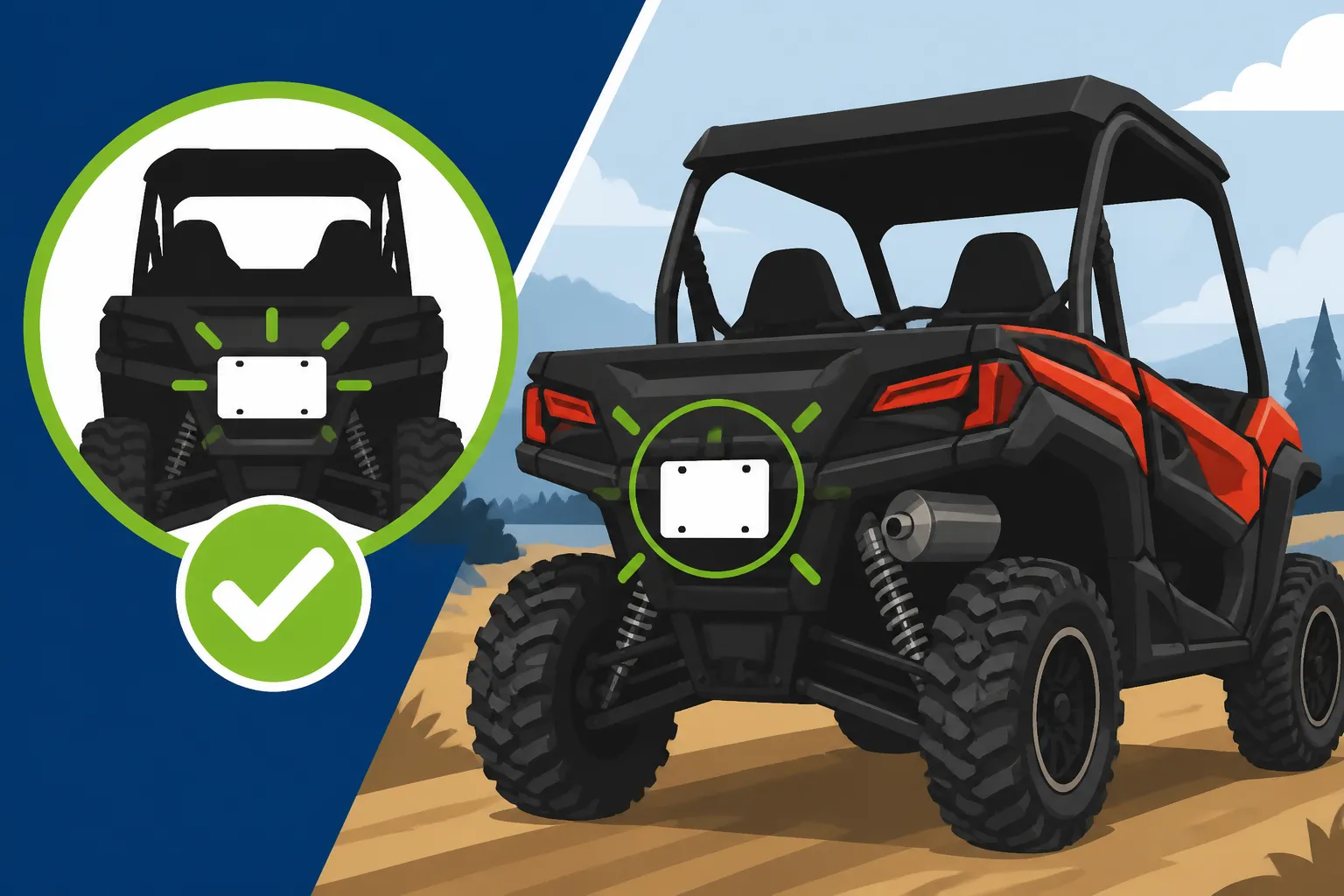
Mounting Your Plate Where It Can Be Seen
It can be incredibly frustrating to head out for a fantastic day of riding, only to worry about whether your ATV or UTV plate is mounted "correctly" and visible enough to satisfy the rules. Many riders face the confusion of where exactly to put that single plate, especially with all the different machine designs and accessories out there. This guide is here to clear up that confusion, explaining Manitoba's requirements for mounting your off-road vehicle plate so you can ride with confidence and avoid unnecessary tickets.
The Basics of Plate Visibility in Manitoba
When you register your off-road vehicle in Manitoba, you receive one single plate, not two. This can be a bit different from what some riders might expect, especially if they're used to other vehicle registrations. The crucial part, beyond just having the plate, is making sure it's plainly visible at all times. This isn't just about adhering to a bureaucratic rule; it's fundamental for safety and for law enforcement to identify vehicles when needed.
The principle of "plainly visible" means exactly what it sounds like: the plate should be easy to see and read without obstruction. Think about it from the perspective of someone standing a few feet away, or an officer checking registrations. If they have to bend, squint, or move something out of the way to see it, then it's likely not considered plainly visible. This standard applies whether you're ripping through a muddy trail or parked for a quick break on Crown land. It's not just about the plate being physically attached; it's about its accessibility to the eye. For more on the number of plates, check out [Manitoba Issues One Plate, Not Two].
Why Visibility Matters: Beyond Just the Law
While avoiding a ticket is a powerful motivator, the visibility requirement serves several practical purposes. Firstly, it's a safety measure. In the event of an accident or if someone needs to report a reckless rider, a clearly visible plate allows for quick identification. Secondly, it aids in tracking down stolen machines. Law enforcement relies on these visible identifiers to recover stolen property and bring offenders to justice. Without a clearly displayed plate, your machine becomes much harder to identify, which can complicate matters if it's ever involved in an incident or goes missing.
Beyond those critical reasons, ensuring your plate is visible also demonstrates your respect for the trails and the riding community. It shows you're a responsible rider who understands the rules designed to keep everyone safe and accountable. It's a small but significant part of being a good trail citizen, contributing to the overall positive perception of off-road enthusiasts in the province.
Specific Rules for Different Machine Types
Manitoba's regulations recognize that not all off-road vehicles are built the same, and what works for a quad might not work for a dirt bike or a snowmobile. Because of this, the rules for where you mount your single plate vary slightly depending on the type of machine you're operating. Understanding these nuances is key to staying compliant and avoiding issues when you're out enjoying the trails or crossing a road. For a broader overview, you might find [Manitoba Plate Mounting by Machine Type] helpful.
It's tempting to just slap the plate wherever it fits best or looks coolest, but that's a gamble you really don't want to take. Each machine type has a designated area where the plate is expected to be displayed. Deviating from these guidelines can lead to fines, even if you technically have a plate on your machine. Let's break down the specifics for the most common ORV types you'll encounter in Manitoba.
Quads and Side-by-Sides
For ATVs (quads) and UTVs (side-by-sides), the rule is straightforward: your single plate must be mounted on the rear of the machine. This ensures that the plate is visible to anyone following you, whether on a trail, a ditch, or during a legal road crossing. The challenge often comes with how to mount it securely and visibly, given the varied designs of these machines.
Many quads come with a designated spot, often on the rear fender or a factory-installed plate bracket. Side-by-sides, with their larger cargo beds and roll cages, offer more options but also more potential for obstruction. The key is to choose a location that is free from any permanent or temporary obstructions like cargo racks, storage boxes, coolers, or even mud flaps that might swing up and cover the plate. For quads specifically, see [Manitoba Plates on the Rear of a Quad], and for side-by-sides, [Manitoba Plate Mounting on a Side-by-Side] offers more details. If you're carrying extra fuel cans or gear, always double-check that your plate isn't hidden.
Dirt Bikes and Other Two-Wheelers
If you're riding a dirt bike or any other two-wheeled off-road vehicle, the mounting requirement shifts from the rear to the front of your machine. This makes sense when you consider the design of dirt bikes, which often have limited rear fender space and are frequently ridden in conditions where a rear-mounted plate would quickly become unreadable due to mud or dirt flung from the rear wheel.
Mounting a plate on the front of a dirt bike can be tricky due to the front forks, handlebars, and sometimes the headlight assembly. Many riders opt for a bracket that positions the plate just below the headlight or on the front fender, ensuring it's clearly visible. The goal is to ensure it's not obscured by your suspension travel or by any accessories you've added. It should be securely fastened to withstand the vibrations and impacts common with dirt bike riding. For specific guidance, look at [Manitoba Plates on the Front of a Two-Wheeler]. Remember, even if your bike has a tiny front fairing, the plate still needs to be legible.
Snowmobiles
Snowmobiles have their own unique requirements, differing from both quads and dirt bikes. Your snowmobile plate must be mounted on the left side of the machine. This specific placement is likely due to the design of snowmobiles, which often have limited space on the front or rear that isn't prone to being covered by snow or slush.
When mounting your plate on a snowmobile, consider how snow and ice can accumulate. Choose a spot that minimizes the chance of the plate becoming caked with snow or ice, which would render it unreadable. Secure it firmly so it doesn't vibrate loose or get torn off by trail debris or deep powder. Many snowmobiles have a flat panel on the left side of the tunnel or a specific bracket near the rear suspension where the plate can be affixed. Make sure it's mounted in a way that doesn't interfere with any moving parts or your ability to maneuver the machine. For specific snowmobile plate details, check out [Manitoba Plates on the Left of a Snowmobile].
Common Mounting Mistakes and How to Avoid Them
It's easy to make a mistake when mounting your plate, often unintentionally. Many riders focus on simply getting the plate on the machine, without fully considering the long-term implications for visibility or durability. These common errors can quickly turn a fun day of riding into a frustrating encounter with law enforcement or a search for a lost plate. Taking a few extra minutes to do it right from the start can save you a lot of hassle and potential fines down the road.
One of the biggest issues is underestimating the power of the elements. Mud, snow, dust, and vibrations are all part of off-road riding, and they can wreak havoc on an improperly mounted or poorly placed plate. Thinking ahead about these challenges is crucial for a successful and compliant setup.
Obscured by Gear or Mud
One of the most frequent reasons riders get pulled over for plate issues is simply because their plate is obscured. This often happens inadvertently. You might load up your cargo rack with a cooler, extra fuel, or camping gear, and without thinking, a strap or a piece of equipment ends up directly over your plate. Or perhaps you're out on a really muddy trail, and within minutes, your plate is caked in so much mud it's completely unreadable.
To avoid this, always do a quick visual check of your plate before and during your ride. After loading up your gear, walk around your machine and ensure the plate is entirely free from obstruction. If you're tackling particularly muddy or dusty terrain, consider bringing a small brush or a wet cloth to periodically clean your plate. It might seem like a small detail, but a few seconds of cleaning can prevent a conversation with an officer and a potential fine. While it refers to your registration card, the principle of protection extends to your plate: [Carrying Your Registration Card on Every Ride].
Improper Fastening and Plate Loss
Off-road riding is inherently rough on equipment. The constant vibrations, bumps, and jostles from uneven terrain can quickly loosen screws or weaken flimsy mounts. It's incredibly disheartening to realize halfway through a ride that your plate has vibrated off and is now somewhere lost on the trail. Not only is it a hassle to replace, but riding without a plate is a sure way to attract attention from authorities.
To prevent plate loss, invest in high-quality, corrosion-resistant hardware. Use lock washers or thread locker on your screws to keep them from vibrating loose. If your machine didn't come with a sturdy mounting bracket, consider purchasing an aftermarket one that's designed for off-road use. Check your plate's fastening periodically, especially after a particularly rough ride. A quick wiggle to ensure it's still secure can save you the headache of needing a [Manitoba Plate Replacement If Lost].
DIY Mounts vs. Manufacturer-Provided Spots
Many modern ATVs and UTVs come with designated spots or even pre-drilled holes for plate mounting, which simplifies things. However, sometimes these spots aren't ideal for visibility, or riders prefer a custom setup for aesthetic or practical reasons. Going the DIY route can be great for customization, but it comes with its own set of considerations.
If you opt for a custom mount, ensure it's robust enough to withstand the rigors of off-road riding. Use sturdy materials that won't rust or bend easily. The mount should position the plate in the legally required location and ensure it's plainly visible from the appropriate angle. Avoid mounts that are flimsy, could snag on branches, or might vibrate excessively. While manufacturer spots are often designed for convenience, a well-thought-out DIY solution can be just as, if not more, effective, as long as it prioritizes visibility and durability.
Here's a quick comparison of common plate mounting methods:
| Mounting Method | Pros | Cons | Best For |
|---|---|---|---|
| Factory Bracket/Fender | Designed for machine, usually secure | May be low, prone to mud/debris splash, limited options | Stock machines, less aggressive riding |
| Aftermarket Bracket | Can improve visibility, robust | Requires separate purchase, installation might be tricky | Customization, increased durability |
| Drilled Directly to Body | Simple, secure if done well | Permanent holes, can crack plastic/fiberglass | Owners confident in placement, stable areas |
| Zip Ties/Cable Ties | Quick, temporary fix | Not secure long-term, easily broken, not recommended | Emergency only, for short distances |
The Officer's Perspective and What to Expect
It's natural to feel a little anxious when an officer approaches you on the trail or at a crossing. However, understanding what they're looking for can help ensure a smooth interaction, especially regarding your plate. Law enforcement officers are primarily concerned with compliance with the Off-Road Vehicles Act and ensuring that all riders are operating safely and legally. A clearly visible, properly mounted plate is a crucial part of that.
When an officer conducts an equipment check or observes your machine, an obscured or missing plate is often one of the first things they'll notice. It immediately raises a red flag, as it indicates a potential violation of the ORV Act. Their job is to enforce these rules, which are in place for the safety of all trail users and the protection of the environment. Being prepared and compliant shows you're a responsible rider, which can greatly influence the tone of any interaction. You might wonder [What an Officer Can Ask to See in Manitoba] or what happens during [Manitoba Equipment Checks by Officers].
What Law Enforcement is Looking For
Officers are trained to quickly assess if an ORV is compliant with the regulations. When it comes to your plate, they're specifically looking for a few key things:
- Presence: Do you actually have a plate registered to that machine?
- Location: Is it mounted in the correct spot for your machine type (rear for quads/side-by-sides, front for dirt bikes, left side for snowmobiles)?
- Visibility: Is it plainly visible? Meaning, can it be read without obstruction, and is it clean enough to be legible?
- Legibility: Are the numbers and letters on the plate clearly distinguishable, even if it's a bit dirty?
They're not trying to nitpick for minor dust, but if a plate is caked in mud, bent beyond recognition, or hidden behind a jerry can, that's where issues arise. If they have to get off their machine and dig through your gear to find it, that's a problem. They expect the plate to be easily verifiable from a reasonable distance, much like a car plate on the road.
The Consequences of an Unreadable Plate
The penalties for an unreadable or improperly mounted plate can range from a warning to a fine. While an officer might give you a verbal warning for a slightly muddy plate if you clean it on the spot, consistently poor visibility or a missing plate will likely result in a ticket. Fines can add up, and repeat offenses can lead to more serious consequences. Beyond the financial hit, it can also lead to a delay in your ride as the officer processes the ticket and ensures compliance before you can proceed.
Remember, the goal of these regulations is accountability. If your machine can't be identified, it undermines the framework that keeps trails safe and ensures responsible use. A hidden plate makes it difficult to track down riders who might be causing damage, trespassing, or involved in an accident, which ultimately harms the reputation of the entire riding community. Addressing these issues before you ride is always the best approach. Before your first ride, it's a good idea to ensure all your documents and the machine itself are ready, as detailed in [Manitoba Registration Before Your First Ride].
Tips for a Smooth Interaction
If an officer does approach you, the best thing you can do is be cooperative and respectful. Pull over safely, turn off your engine, and keep your hands visible. Have your registration card and any other required documents easily accessible. If your plate is dirty, offer to clean it. If there's an issue with how it's mounted, listen to the officer's explanation and express your willingness to correct it.
A positive attitude and a clear demonstration of your commitment to responsible riding can often go a long way. They're just doing their job to enforce rules that are designed to protect everyone. By ensuring your plate is always visible, correctly mounted, and your documents are in order, you're not only avoiding potential fines but also contributing to a more positive relationship between riders and law enforcement. Remember, it's about making our great Manitoba trails enjoyable and safe for everyone.
Disclaimer
This article is for general informational purposes only and does not constitute professional advice. Laws, prices and regulations vary by location and change over time. Consult a qualified professional for guidance on your specific situation.