Manitoba Machines Used Only in a Remote Community
It can feel like a real headache trying to figure out all the rules for your ATV or UTV, especially when you live in a more isolated part of Manitoba. Many folks in remote communities wonder if they truly need to go through the whole registration song and dance for a machine that rarely, if ever, leaves their immediate area. This guide will cut through the confusion and explain exactly when you might be exempt from registration, what "remote community" really means in Manitoba, and the common pitfalls to avoid.
Understanding the Remote Community Exemption in Manitoba
Manitoba's regulations around off-road vehicles (ORVs) try to balance safety, environmental protection, and the practical realities of life across our vast province. For those living far from major urban centres, the need for an ORV often isn't just for recreation; it's a vital tool for daily life, transportation, and accessing resources. Recognizing this, the province has carved out a specific exemption for machines used exclusively within certain remote communities. It’s a bit of a nuanced rule, and getting it wrong can lead to some unexpected fines, so let's break it down.
What Qualifies as a "Remote Community"?
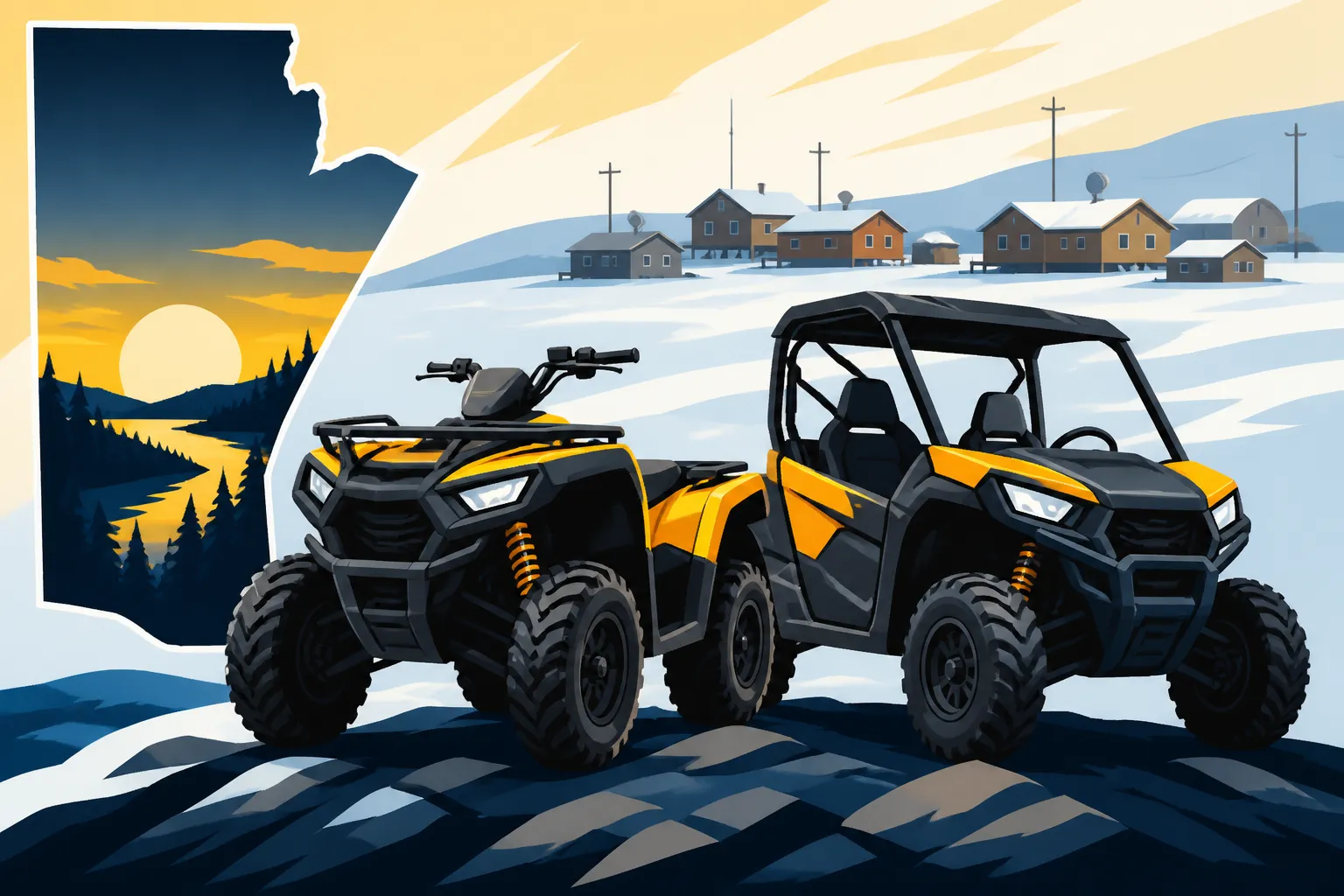
This isn't just about feeling like you're in the middle of nowhere. The province has a very specific definition for a "remote community" in the context of ORV registration. Essentially, it's a community that lacks year-round, all-weather road access connecting it to the provincial highway network. Think of places where you might rely on ice roads in winter, seasonal roads, or air and water transport for much of the year. If your community is served by a paved or well-maintained gravel road that connects directly to the rest of Manitoba's road system, you likely don't qualify as a remote community under this exemption, even if you feel quite isolated. You can often find a current list or criteria on government websites or by asking an Autopac agent, but the core idea is about that lack of continuous, easy road access. This helps clarify [Manitoba Machines Used Only in a Remote Community].
The Rationale Behind This Exemption
Why does Manitoba even have this exemption? It really comes down to practicality and the unique challenges faced by residents in these areas. For many, an ATV or UTV isn't a luxury toy; it's essential transportation for hunting, trapping, fishing, gathering firewood, or simply getting around town when there are no paved roads or public transit. Expecting every resident of a truly isolated community to trek to an Autopac agent for registration, pay fees, and jump through hoops for a machine that never touches a provincial trail or road network outside their immediate area would be an undue burden. The exemption acknowledges these distinct circumstances, aiming to ease the administrative load for those who rely on their ORVs as fundamental utility vehicles. It’s about recognizing that a snowmobile or quad in a fly-in community serves a very different purpose than one trailering to Birds Hill Park on a weekend.
The "Used Only In" Stipulation
Here's the critical part that many people overlook, and where most mistakes happen: your machine must be "used only in a remote community." This isn't a suggestion; it's a hard rule. If you live in a remote community and your machine is unregistered, it means that ORV is strictly confined to the boundaries of that community. If you decide to take it even a short distance outside those defined limits—perhaps to a neighbouring community with road access, or to a nearby hunting ground that's outside the official "remote community" designation—then your exemption immediately evaporates. At that point, you're operating an unregistered off-road vehicle, which comes with penalties. This applies even if you're just taking it out for repairs in a larger town or hauling it on a trailer down a road that connects to the highway network. This strict condition is often where the reality of the exemption clashes with the desire for a bit more freedom. For many, this strict limit makes the exemption less practical than it initially sounds.
Navigating the Boundaries: When the Exemption Ends
The idea of saving on registration and the annual trails fee sounds pretty good, right? Especially if you genuinely believe your machine won't ever leave your remote community. But life happens, and sometimes, those boundaries you thought were so clear start to get a little fuzzy. It's crucial to understand that "remote community" isn't just a vibe; it's a legal designation with strict lines.
Temporary Travel Outside the Community
This is perhaps the biggest grey area and a common point of contention. Let's say your UTV breaks down, and the nearest repair shop that can handle it is in a town that does have all-weather road access. You load your UTV onto a trailer, drive it down the road, and take it for service. While the machine is on that trailer, being transported on a public roadway outside of your defined remote community, it needs to be registered. Yes, even though it's not being operated on its own power. The law generally considers an ORV, when transported, to still fall under some aspects of its registration requirements if it's on public thoroughfares, especially if it's capable of being operated. It's not just about the act of riding; it's about the machine's status. If you don't have it registered, you could face issues during a routine stop or an inspection. This strict interpretation means that for most people, even those in truly remote areas, a need to travel for supplies, medical reasons, or vehicle servicing often necessitates registration. It’s far safer to have [Manitoba Registration Cards Carried at All Times] and a current plate than risk a ticket.
Moving to a Non-Remote Area
What happens if your circumstances change? Perhaps you decide to move from your remote community to a town with full road access, or even to Winnipeg or Brandon. The moment your primary residence, and consequently the primary operating area of your ORV, changes from a remote community to one with all-weather road access, the exemption no longer applies. You'll need to get your machine registered immediately. This isn't something you can delay. The "used only in" rule means just that. If the machine is now residing in and intended for use in a non-exempt area, registration becomes mandatory. It’s part of your responsibilities as a new resident to ensure your vehicle is compliant. For new residents, the steps are clear: [Manitoba Registration for a New Resident].
Proving Your Residence
In the event you're stopped by an enforcement officer—be it an RCMP officer, a Conservation Officer, or a local by-law enforcement officer—and your unregistered ORV is found outside what they consider a "remote community" boundary, you might be asked to prove that your machine genuinely qualifies for the exemption. This could involve showing proof of your primary residence within the defined remote community, or demonstrating that the ORV has never been used outside of it. While this might sound straightforward, without clear documentation, it can become a complicated discussion. It’s always best to have your ducks in a row. Sometimes, having official documents, like a utility bill or driver's license showing your remote address, can help. You might also want to keep a copy of any provincial definitions of remote communities handy, though this isn't a substitute for actual registration if you venture out.
The Catch: Why Most Riders Still Need to Register
For many riders, the remote community exemption, while well-intentioned, ends up being more restrictive than practical. It highlights a common tension between provincial regulations and the diverse ways people use their off-road vehicles across Manitoba. What sounds like a simple way to avoid bureaucracy can quickly become a legal tightrope walk.
The Allure of Trails Beyond Your Community
Let's be real: ATVs and UTVs are fantastic for exploring. Manitoba is blessed with incredible natural beauty, and there are numerous designated trails, forest routes, and Crown land areas that call to riders. The problem with the remote community exemption is that it legally binds you to that specific geographic area. If you see a beautiful trail just a few kilometres outside your community's official bounds, or if you want to join friends for a ride on a club trail like the [Duck Mountain's Mossberry Trail in Manitoba] or head out to the Sandilands Forest, your unregistered machine is immediately in violation. The temptation to explore, to connect with other riders, or simply to access different hunting and fishing grounds is strong. For the vast majority of Manitoba ORV owners, even those who might feel "remote," the desire to ride beyond a very limited local area makes full registration the only viable and legal option.
Enforcement and Consequences
Manitoba enforcement officers are well-versed in ORV regulations. They understand the nuances of exemptions and they know the boundaries of designated remote communities. If you're caught operating an unregistered ORV outside of a qualifying remote community, even if you reside there, you can face significant penalties. This isn't just a slap on the wrist. Fines can range from a few hundred dollars for operating an unregistered vehicle, and potentially more if there are other violations involved, such as not carrying your registration card, or riding in a prohibited area. Beyond the immediate financial hit, there's the inconvenience, the time spent dealing with tickets, and the potential for your machine to be impounded in more serious cases. It's simply not worth the risk for most people. An unregistered machine also lacks the basic liability insurance that comes with registration, leaving you personally exposed in case of an accident. This basic coverage is built in, and you can add more. For more on what officers expect, check out [What an Officer Can Ask to See in Manitoba].
When In Doubt, Register
This is perhaps the simplest and most practical piece of advice I can offer: if there's any doubt at all about whether your situation truly qualifies for the remote community exemption, or if you even might want to take your machine outside your immediate area for any reason, just register it. The cost of registration, which includes the basic third-party liability insurance and the trails fee that contributes to trail maintenance, is a small price to pay for peace of mind and the freedom to ride legally across the province. It simplifies everything. You won't have to worry about geographic boundaries, explaining your situation to an officer, or facing unexpected fines. Registration provides you with legal standing and helps ensure you're covered, at least minimally, in case of an incident. It opens up your world of riding possibilities and ensures you're a responsible ORV owner. [Manitoba ORV Registration Through MPI] is a straightforward process.
Step-by-Step: What to Do If You Don't Qualify (Or Choose to Register Anyway)
So, you've weighed your options, understood the strict limitations of the remote community exemption, and decided that full registration is the smartest path for you. Good call! It's generally the most hassle-free way to enjoy your ATV or UTV in Manitoba. The process itself isn't overly complicated, but knowing what to expect can definitely smooth things over.
Gathering Your Documents
Before you even think about heading to an Autopac agent, make sure you have all your ducks in a row. This will save you multiple trips and a lot of frustration. Here's a checklist of what you'll typically need:
- Proof of Ownership: This is usually your bill of sale. If you bought it new from a dealer, they'll often provide all the necessary paperwork. If it was a private sale, make sure you have a clear, signed bill of sale that includes the VIN (Vehicle Identification Number), make, model, year, purchase price, and the names and signatures of both the buyer and seller. If it's an older machine and you don't have a bill of sale, or it's been through multiple owners, things can get a bit trickier, but there are still ways to proceed. You might need to provide a sworn declaration, but it’s best to have the proper document. For private sales, be thorough: [Buying From a Private Seller in Manitoba].
- Proof of Identity: A valid driver's license or other government-issued photo ID is essential. They need to confirm who you are.
- Proof of Age: If you're 16 to 18, you'll need parental consent and proof of age. [Manitoba Parental Consent From 16 to 18] is a key step for younger riders.
- Proof of Address: A recent utility bill or another official document showing your current Manitoba address might be required.
- VIN: Ensure the VIN on your machine matches the paperwork. This is crucial for verifying the machine's identity and history. If the VIN is missing or unreadable, you'll have extra hoops to jump through.
For documenting your private sale or transfer, services like LawDepot can offer templates for a bill of sale, ensuring you have all the necessary information covered for a smooth transfer of ownership. Having a robust bill of sale from the start can prevent headaches down the road.
Visiting an Autopac Agent
Once your documents are in order, your next stop is any authorized Autopac agent in Manitoba. These are the folks who handle all vehicle registrations, including ORVs, for Manitoba Public Insurance (MPI).
- Present Your Documents: Hand over all the paperwork you've gathered. The agent will review everything to ensure it's complete and correct.
- Machine Information: They'll input the details of your ORV into the system, including the VIN, make, model, and year.
- Ownership Transfer: If you've just purchased the machine, they'll process the transfer of ownership into your name.
- Pay Fees and Taxes: This is where you'll pay the registration fee, the provincial sales tax (RST) if applicable (and not already paid to a dealer), and the mandatory off-road trails fee. More on costs below.
- Receive Registration Card and Plate: Once everything is processed and paid, you'll be issued your official ORV registration card and a license plate. Remember, [Manitoba Issues One Plate, Not Two], so you'll only get one.
It’s often helpful to call ahead to your chosen Autopac agent, especially if you have a unique situation, just to confirm their hours and any specific requirements. Many agents are familiar with these transactions, but some smaller offices might appreciate a heads-up.
Understanding the Costs
Registering your ATV or UTV in Manitoba involves several costs that can add up, so it’s good to budget for them. Remember, specific dollar figures are best checked with an Autopac agent directly, as they can change.
- Registration Fee: This is the core annual fee for getting your machine on the road (or trail, as it were). It includes basic third-party liability insurance coverage, which is a big deal if you ever get into an accident.
- Off-Road Trails Fee: A mandatory charge added to every ORV registration. This fee goes directly towards the development and maintenance of Manitoba's extensive network of ORV trails, supporting clubs, and funding safety initiatives. It’s part of [Why Manitoba Adds $25 to Every ORV Registration].
- Provincial Sales Tax (RST): If you purchased your machine from a private seller, you'll typically pay RST on the purchase price (or the machine's book value, whichever is higher) at the time of registration. If you bought from a dealer, they usually collect this at the point of sale. Manitoba RST is significant: [Manitoba's 7 Percent RST on a Machine].
- Optional Insurance: While basic liability is included, many riders opt for additional coverage like collision, comprehensive (for theft, fire, etc.), and extended accident benefits. These are extra costs that can vary significantly based on your machine, riding history, and chosen deductible. A broker can help you sort out [Manitoba ATV Insurance Options].
When using a service like LawDepot for documentation, be sure that any cost-related sections on a bill of sale accurately reflect the agreement, as these figures can impact the tax you'll pay during registration.
Comparison: Registered vs. Exempt Machine Use
To give you a clearer picture, here's a quick comparison of what you can and can't do with a registered ORV versus one operating under the remote community exemption:
| Feature/Use Case | Registered ORV (Manitoba Plate) | Exempt ORV (Remote Community Only) |
|---|---|---|
| Trail Use | Permitted on designated trails and Crown land | NOT Permitted outside defined community |
| Road/Ditch Crossing | Permitted with driver's license, specific rules | NOT Permitted outside defined community |
| Travel Outside Community | Yes, legally on roads (if trailering) | NOT Permitted even on a trailer |
| Basic Liability Insurance | Included with registration | NO basic liability insurance |
| Trails Fee Contribution | Yes, mandatory with registration | No, therefore no contribution to provincial trails |
| Proof of Ownership | Bill of Sale, registration certificate | Bill of Sale |
| Risk of Fines (Outside Area) | Minimal, if following all other rules | High, if found outside the defined community |
| Flexibility | High | Extremely Low |
Ultimately, deciding whether to rely on the remote community exemption or to simply register your machine comes down to your true intentions for use and your comfort with strict limitations. For most, the peace of mind and flexibility that comes with full registration makes it the far better choice, ensuring you can enjoy all that Manitoba's vast landscape has to offer without unnecessary worry.
Disclaimer
This article is for general informational purposes only and does not constitute professional advice. Laws, prices and regulations vary by location and change over time. Consult a qualified professional for guidance on your specific situation.