Manitoba Riders 16 With a Full Licence
Stepping into the world of off-road vehicle (ORV) riding as a 16-year-old in Manitoba can feel like a massive leap towards independence. You've hit that age where the province recognizes your ability to drive a car, but many young riders are left scratching their heads, wondering if the same freedom applies to their ATV or UTV. This guide is here to untangle the specific rules and freedoms that come with having a full Class 5 driver's licence when you're 16 and ready to hit the trails, ditches, and crossings of our beautiful province.
Understanding the Legal Landscape for 16-Year-Old Riders
When you turn 16 in Manitoba, a significant shift happens in how the province views your ability to operate vehicles, including off-road machines. It's a milestone that brings both exciting new freedoms and specific responsibilities. Before this age, riding an ORV often involved strict supervision and limitations, but a full Class 5 licence changes the game considerably.
The Shift from Supervised Riding to Independence
Before you reach 16 and obtain that coveted Class 5 licence, the rules for operating an ORV are quite stringent, focusing heavily on safety and supervised learning. For instance, a 14-year-old can operate an ORV, but typically only if they are directly supervised by an adult over 18, and often restricted from specific types of riding areas or public access points. This period is crucial for developing safe riding habits and understanding the nuances of machine control without the full burden of independent decision-making. Think of it as your apprenticeship in the off-road world, where an experienced hand is always nearby to guide you. The province has specific [Manitoba ATV Age Requirements] that lay out these earlier stages.
However, once you hit 16 and acquire a full Class 5 driver's licence, that training period is officially recognized. The province views you as capable of making independent judgments on the road, and this capability largely extends to off-road environments. This means that many of the supervision requirements that applied to younger riders are lifted, giving you the autonomy to plan your own rides, explore new trails, and really embrace the ORV lifestyle on your own terms. It's a huge moment, freeing you from needing an adult constantly watching your every move, and opening up a world of solo adventures or rides with friends your own age.
Dispelling Myths About Age and ORV Operation
There are quite a few misconceptions floating around about who can ride what and where, especially when it comes to age and licensing. One common myth is that you need a separate "off-road licence" or that your car licence doesn't apply to ORVs. This simply isn't true in Manitoba. While there are specific ORV laws, having a Class 5 driver's licence is often the key that unlocks greater privileges. You don't need a special permit to operate an ATV or UTV on designated trails or legal crossings once you have that Class 5 in your wallet.
Another pervasive myth is that certain ORV classes, like side-by-sides (UTVs), have different age or licence requirements than ATVs. Again, for a 16-year-old with a Class 5, the general operating rules tend to be consistent across various types of ORVs. The critical factor is your Class 5 licence, not necessarily the specific type of machine, though manufacturers' age recommendations should always be respected. This can be especially important if you're looking at aftermarket accessories or upgrades for your UTV; a reputable brand like SuperATV offers parts for a wide range of machines, but the core provincial regulations revolve around your licence status. Don't let hearsay confuse you; always refer back to the official provincial regulations or consult an Autopac agent for clarity on [Manitoba Registration Age of 16] and beyond.
What a Full Driver's Licence Means for ORV Operation
Possessing a full Class 5 driver's licence at 16 in Manitoba is more than just a piece of plastic; it's a recognition of your driving competence that significantly impacts your ORV operating privileges. This licence removes many of the restrictions that apply to younger or less experienced riders, allowing you a much broader scope of legal operation.
The "Class 5" Advantage for Off-Roaders
For Manitoba off-road enthusiasts, the Class 5 driver's licence is essentially your passport to greater independence. Unlike riders aged 14 or 15 who might hold a learner's permit (Class 5L) or be too young to even begin that process, your full Class 5 indicates that you've passed both written and practical driving tests for standard road vehicles. The province sees this as proof that you understand traffic laws, can make safe decisions, and are capable of operating a motor vehicle responsibly. This understanding of road rules is directly transferable to many aspects of ORV operation, especially when it comes to navigating shared spaces or performing road crossings.
With a full Class 5, you're not just allowed to drive your car; you're also deemed competent enough to handle an ORV in scenarios that would be off-limits to those without such a licence. This includes things like crossing public highways or travelling along certain ditches, which demand an understanding of right-of-way, signalling, and general road etiquette. It's this foundational knowledge, affirmed by your Class 5, that gives you the distinct advantage and increased freedom compared to younger riders. It's why one of the first questions an officer might ask is to see your licence, beyond just your ORV registration card. [Do You Need a Licence for an ATV in Manitoba?] is a question often answered with a "yes" once you start talking about public access.
Specific Permissions and Freedoms Gained
The biggest change for 16-year-old riders with a full Class 5 licence is the ability to operate an ORV without adult supervision in most public access areas. Before this, you'd almost certainly need an adult over 18 years old present and monitoring your ride. Now, you can head out on your own or with friends, making your own choices about routes and destinations. This newfound freedom means you can truly explore the vast network of Manitoba's trails, whether they're maintained by local clubs or on Crown Land. You can also legally perform those necessary road crossings that often connect different trail systems or allow you to access amenities.
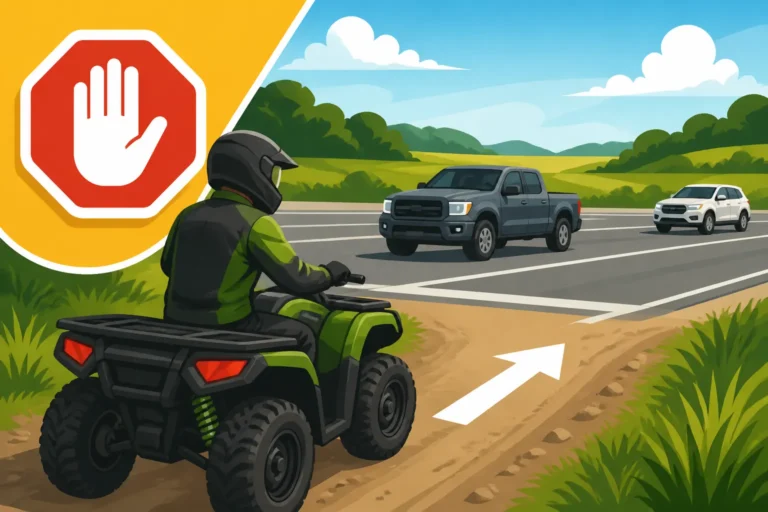
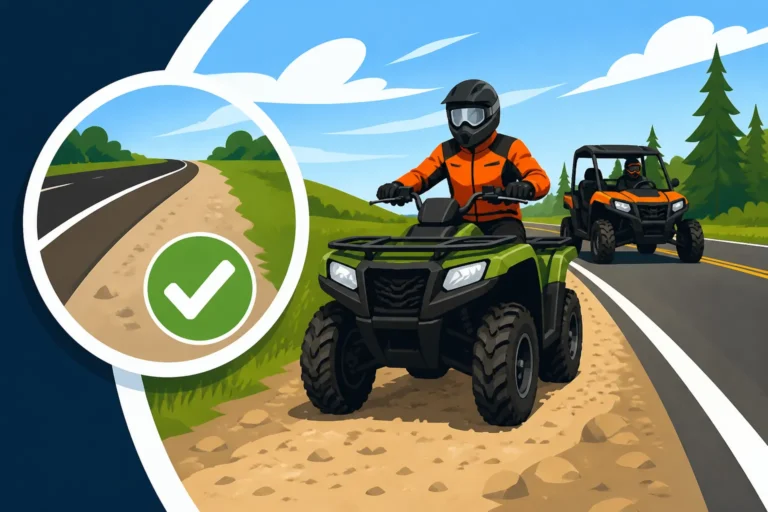
Specifically, a full Class 5 licence grants you the permission to cross a provincial highway, provided you follow the strict guidelines, which include stopping, yielding, and having a clear view of traffic. This is a privilege not extended to those with only a learner's permit. You can also operate in ditches to the right of a roadway, adhering to speed limits and traffic flow, again, something a younger, supervised rider might not be permitted to do. This expanded access drastically improves the utility of your ORV, making it a more versatile tool for recreation, travel, and even assisting with tasks on private land or farms. Just remember, these permissions come with the responsibility to know and follow all other ORV regulations, which is critical for safety and avoiding fines.
Limitations That Still Apply, Even with a Full Licence
While a full Class 5 licence opens up many doors, it's crucial to understand that it doesn't grant you carte blanche to ride anywhere and everywhere. The Off-Road Vehicles Act still imposes several important limitations that apply to all riders, regardless of age or licence status. For example, riding on the main travelled portion of a public roadway is generally prohibited, even with a full driver's licence. The licence allows you to interact with roadways for specific purposes (like crossings or ditch riding), but not to use them as a primary travel route like a car. There are specific [Manitoba Bans Riding on Roadways] for ORVs for good reason.
Furthermore, areas like medians, interchanges, and sidewalks remain off-limits. You also need to be mindful of local municipal bylaws, as some communities have additional restrictions on where ORVs can operate within their boundaries. Your Class 5 licence also doesn't exempt you from other critical requirements, such as mandatory helmet use for yourself and any passengers. The only exceptions for helmets are very specific, often involving machines with factory-installed roll-over protection systems (ROPS) and seatbelts, or certain agricultural/commercial activities. So, while you're now an independent rider, you're still bound by the collective safety and operational rules designed for everyone who enjoys off-road adventures.
Where 16-Year-Old Riders Can (and Cannot) Ride
Understanding the nuances of where you can legally ride your ORV is paramount for any rider, but especially for newly independent 16-year-olds with a full licence. Manitoba has a patchwork of rules governing everything from public roadsides to designated trails and private property.
Navigating Ditches and Road Crossings Legally
One of the most frequently asked questions from new ORV operators concerns ditches and road crossings. With your full Class 5 licence at 16, you gain significant privileges here that younger riders do not. You are generally permitted to ride in the ditch immediately to the right of a public roadway, provided you are travelling in the same direction as the traffic flow. This isn't a free-for-all, however; you must maintain a safe speed (often capped at 60 km/h in ditches) and yield to all other traffic and pedestrians. It’s important to remember that not all ditches are created equal; some may be unsuitable or expressly prohibited due to safety concerns or local bylaws. The detailed [Manitoba Ditch Riding Rules] cover this thoroughly.
When it comes to crossing public roadways, your Class 5 licence is absolutely essential. Younger riders, even supervised ones, are significantly restricted in this regard. As a 16-year-old with a full licence, you can cross a provincial highway, but only under very specific conditions: you must stop, yield the right-of-way to all traffic, and ensure you have a clear view for at least 60 metres in both directions. Crossings should be done as directly as possible, at a right angle to the road, and only when it's safe to do so. These are serious manoeuvres, and failing to adhere to the [Manitoba Crossing Rules at 5 Metres and 3 Kilometres] can result in hefty fines and dangerous situations. Remember, crossing a busy highway is not the time to be distracted or take chances; your full licence is proof you understand road hazards.
Rules for Provincial Parks, Crown Land, and Private Property
Manitoba offers a vast array of riding opportunities, but each type of land comes with its own set of rules. For provincial parks, ORV use is typically restricted to designated trails only. You cannot simply ride anywhere within a park; signs will clearly indicate permissible routes. Before heading out, it's always a good idea to check the specific park's regulations or website. Ignoring these rules can lead to fines and environmental damage. The focus in parks is often on conservation and shared multi-use trails, so be prepared to yield to hikers, cyclists, and equestrians.
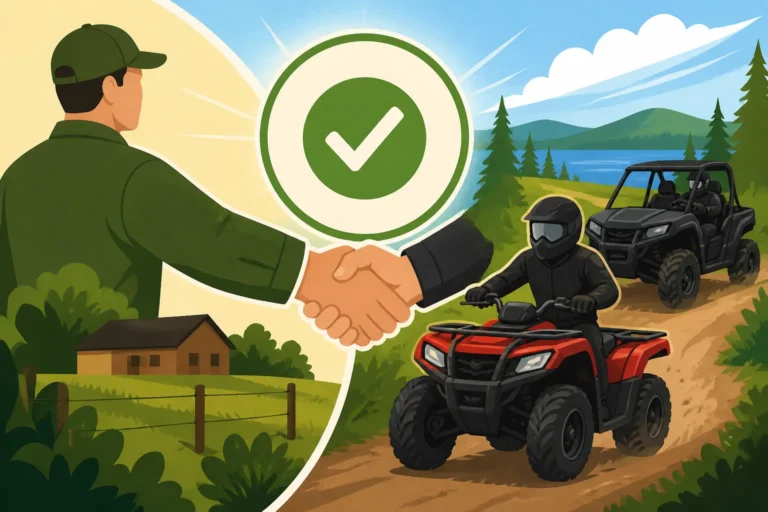
Crown Land offers much more expansive opportunities for ORV use, but even here, there are important caveats. While many areas of Crown Land are open for recreational ORV use, sensitive environmental zones, protected areas, or land under specific resource management plans may be restricted. Always consult maps and follow any posted signage. Furthermore, if you plan to access Crown Land that is leased for agriculture or other purposes, you must obtain permission from the leaseholder first. This simple courtesy can save you a lot of trouble and ensures you're not trespassing. For more information, you can read [Manitoba Rules for Riding Crown Land]. When riding on private property, the rule is straightforward: you must have explicit permission from the landowner. Riding on someone's field or forested lot without asking is trespassing, plain and simple, and can lead to legal issues.
Municipal Bylaws and Local Variations to Be Aware Of
One of the trickiest aspects of ORV riding in Manitoba is the existence of municipal bylaws. While the provincial Off-Road Vehicles Act sets the baseline, individual municipalities, local government districts, and even remote community councils have the power to create their own bylaws that can either restrict or, in some cases, expand ORV access within their specific boundaries. This means that what's legal in one town might be illegal in another, even if they're right next to each other.
For example, some rural municipalities might have bylaws that open up certain local roads to ORVs for specific seasons or purposes, while others might completely ban ORV use on all roads and even restrict ditch riding within their limits. Before you plan a ride that takes you through or near a town, it's always prudent to check for local bylaws. A quick call to the municipal office or a check of their website can save you a lot of hassle, fines, and potential conflict with residents. This is particularly important if you're exploring new areas. Your full Class 5 licence doesn't override these local rules, so staying informed is a key part of responsible riding.
| Riding Area Type | General Rule for 16-Year-Olds with Class 5 | Key Considerations |
|---|---|---|
| Provincial Trails | Generally permitted | Only on designated routes; check park-specific rules; share with others. |
| Public Ditches | Permitted (right side) | Travel with traffic; adhere to speed limits; yield to others. |
| Highway Crossings | Permitted | Stop, yield, clear view (60m); cross directly. |
| Crown Land | Generally permitted | Respect restricted areas; obtain permission for leased land. |
| Private Property | Permitted with consent | Always get landowner's permission first. |
| Municipal Roads/Bylaws | Varies widely | Check local bylaws for specific restrictions or permissions. |
| Main Roadways | Generally prohibited | Only for specific crossings; not for travel like a car. |
| Sidewalks/Medians | Prohibited | Never permitted to ride here. |
Equipment and Safety Requirements for Young Adult Riders
Even with a full Class 5 licence, safety should always be your number one priority when operating an ORV. The law has specific requirements, but responsible riding goes beyond just legal compliance. Ensuring your machine is properly equipped and that you're wearing the right gear is crucial, especially as you gain more independence and might be tempted to push your limits.
Mandatory Helmets and Other Protective Gear
In Manitoba, wearing an approved helmet is a non-negotiable requirement for almost all ORV operators and passengers, regardless of age or licence. This includes 16-year-olds with a full Class 5. The helmet must meet specific safety standards (like DOT, Snell, or ECE) and be properly fastened. It's not just a suggestion; it's the law, and it's there to protect your most valuable asset: your brain. A serious head injury can be life-altering, and a helmet is your best defence. Always ensure your helmet fits snugly and is in good condition. You can find more details on specific exceptions and requirements in [Manitoba Helmet Law and Its Exemptions].
Beyond the helmet, other protective gear is highly recommended, even if not strictly mandated by law. This includes eye protection (goggles or a visor), sturdy over-the-ankle boots, long pants, a long-sleeved shirt or jacket, and gloves. These items protect you from flying debris, scrapes, branches, and provide better grip and control. Think about it: a rogue branch can easily take out an eye or severely scratch an arm, turning a fun ride into a painful memory. While you're gaining more freedom on the trails, it's also when you might encounter more challenging terrain, making protective gear even more important. Don't skimp on safety for the sake of comfort or style; your body will thank you.
Machine-Specific Safety Features
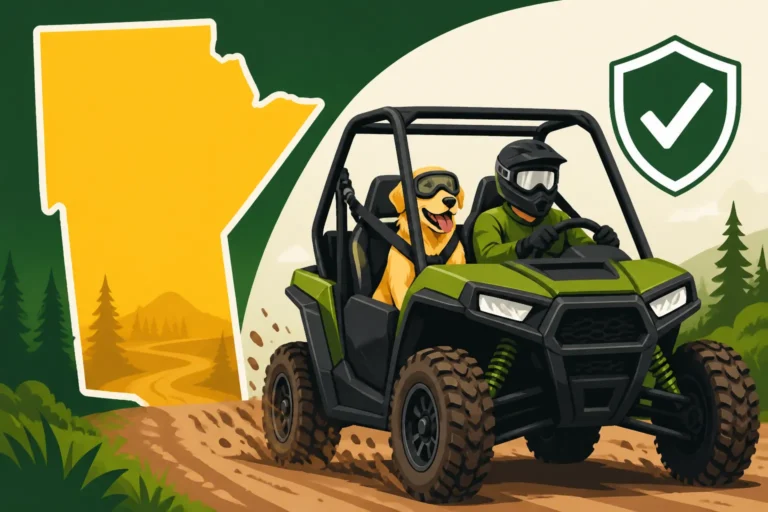
Modern ORVs, especially UTVs, come equipped with a range of safety features that are there for a reason. Seatbelts and roll-over protection structures (ROPS) are standard on most side-by-sides, and it is imperative that these are used correctly. If your UTV has seatbelts, you and all passengers must wear them. The ROPS is designed to protect occupants in the event of a rollover, but only if you're properly restrained within its protective cage. Trying to circumvent these features, or modifying them in a way that compromises safety, is not only dangerous but potentially illegal. For example, some aftermarket cages or doors, even from brands like SuperATV, are designed to enhance safety and protection, but always ensure they maintain or exceed original safety standards.
Furthermore, ensure your machine has proper lighting – headlights, tail lights, and brake lights – especially if you're riding near dawn, dusk, or in any low-visibility conditions. The law requires lights to be visible for at least 60 metres. A spark arrester in your exhaust system is also a mandatory piece of equipment, preventing hot sparks from escaping and potentially starting wildfires, a critical concern in Manitoba's forests. Regularly check your tires for proper inflation and tread wear, and ensure your brakes are in excellent working order. These mechanical features are your first line of defence against accidents.
Why Maintenance and Pre-Ride Checks Are Still Critical
As an independent rider, the responsibility for your machine's condition falls squarely on your shoulders. Regular maintenance isn't just about prolonging the life of your ORV; it's a vital safety measure. This includes routine oil changes, air filter cleaning, checking fluid levels, and ensuring all bolts and connections are tight. A well-maintained machine is a reliable machine, reducing the risk of breakdowns in remote areas.
Beyond regular scheduled maintenance, a pre-ride inspection before every outing is non-negotiable. This quick check takes only a few minutes but can prevent major headaches. Look over your tires for damage and proper pressure, test your brakes, check your lights, ensure all controls (throttle, steering) operate smoothly, and scan for any leaks or loose parts. Think of it as a pilot's pre-flight check – you wouldn't get on a plane without one, so why ride your ORV without one? This diligence is especially important if you've added aftermarket components, ensuring everything is installed correctly and functioning as it should. A 16-year-old with a full licence is expected to demonstrate this level of responsibility.
Navigating Common Scenarios and Avoiding Pitfalls
Gaining the privilege of independent ORV operation at 16 with a full licence means you'll encounter a wider range of situations. Being prepared for these common scenarios and understanding potential pitfalls will ensure safer and more enjoyable rides.
Riding with Younger Siblings or Friends
Now that you're 16 and can ride independently, you might find yourself in a position where you're riding with younger siblings or friends who don't have the same licence or age privileges. It's crucial to remember that while your personal restrictions are lifted, their restrictions are not. If you're riding with a 14-year-old friend, they still require adult supervision, and you, at 16, do not count as that supervising adult. The supervising adult must be 18 years or older. This is a common mistake that can lead to fines for everyone involved. [Manitoba Rules for a 14-Year-Old Rider] are very specific and apply to them, not to you.
Furthermore, if you're carrying a passenger on your ORV, ensure your machine is specifically designed for two riders and that your passenger also adheres to all safety rules, including mandatory helmet use. Never carry more passengers than your machine is designed for, and ensure they are capable of holding on safely. Even though you're riding with the independence of a full licence, your responsibility extends to those you ride with, especially if they are younger or less experienced. Setting a good example for safe and legal riding is part of being an independent operator.
The Importance of Proper Registration and Insurance
Having a full Class 5 licence doesn't magically register your ORV or provide insurance. You still need to ensure your machine is properly registered with MPI and that you carry your registration card with you at all times when operating. The registration process itself includes a basic liability insurance component, but it's important to understand its limitations. This basic coverage primarily covers damage your ORV might cause to other property or injuries to third parties. It typically does not cover damage to your own machine in an accident, nor does it cover your own medical expenses if you're injured. For a deeper dive into the basic coverage, check out [Manitoba Insurance Included With Registration].
Many riders opt for additional, enhanced insurance coverage, especially for comprehensive protection against theft, collision damage to their own machine, and personal injury benefits. As you become an independent rider and potentially take on more challenging terrain or longer trips, the value of this additional coverage becomes even more apparent. Imagine rolling your ORV deep in the bush; basic registration won't cover the repair costs. Taking the time to understand your insurance options and securing adequate coverage is a vital step for any responsible ORV owner, particularly as you're starting out as an independent operator.
Dealing with Law Enforcement and Potential Fines
Encountering law enforcement while riding is a possibility, and knowing how to respond respectfully and correctly can save you a lot of trouble. Whether it's a Conservation Officer, RCMP, or local police, they have the authority to stop you and check for compliance with the Off-Road Vehicles Act. As a 16-year-old with a full Class 5 licence, you are expected to understand and follow all rules. When stopped, calmly provide your driver's licence, ORV registration card, and proof of ownership if requested. Always remain polite and cooperative.
Ignorance of the law is generally not considered a valid excuse, and violations can lead to significant fines. For instance, riding in a prohibited area, failing to wear a helmet, or improper road crossings can result in costly penalties. Even careless operation, which covers a broad range of unsafe or reckless riding behaviours, can lead to fines of up to $5,000. These fines are not trivial and can quickly put a damper on your riding enjoyment. Taking the time to familiarize yourself with [Manitoba Rules Riders Get Wrong] and ensuring you consistently follow all regulations will not only keep you safer but also help you avoid unnecessary legal troubles. Remember, responsible riding builds a positive image for the entire ORV community.
Disclaimer
This article is for general informational purposes only and does not constitute professional advice. Laws, prices and regulations vary by location and change over time. Consult a qualified professional for guidance on your specific situation.