Manitoba Dealer Paperwork at Delivery
Getting ready to pick up your new ATV or UTV from a Manitoba dealer is an exciting time, but the pile of paperwork they hand you can feel overwhelming and a little confusing. Many riders worry about signing something they don't fully understand or missing a crucial document that could cause headaches later. This guide will walk you through all the essential paperwork you should expect at a Manitoba dealership when you take delivery of your new (or new-to-you) off-road vehicle, helping you understand each document's purpose and what to look for before you hit the trails.
The Pile of Paperwork: What to Expect from Your Dealer
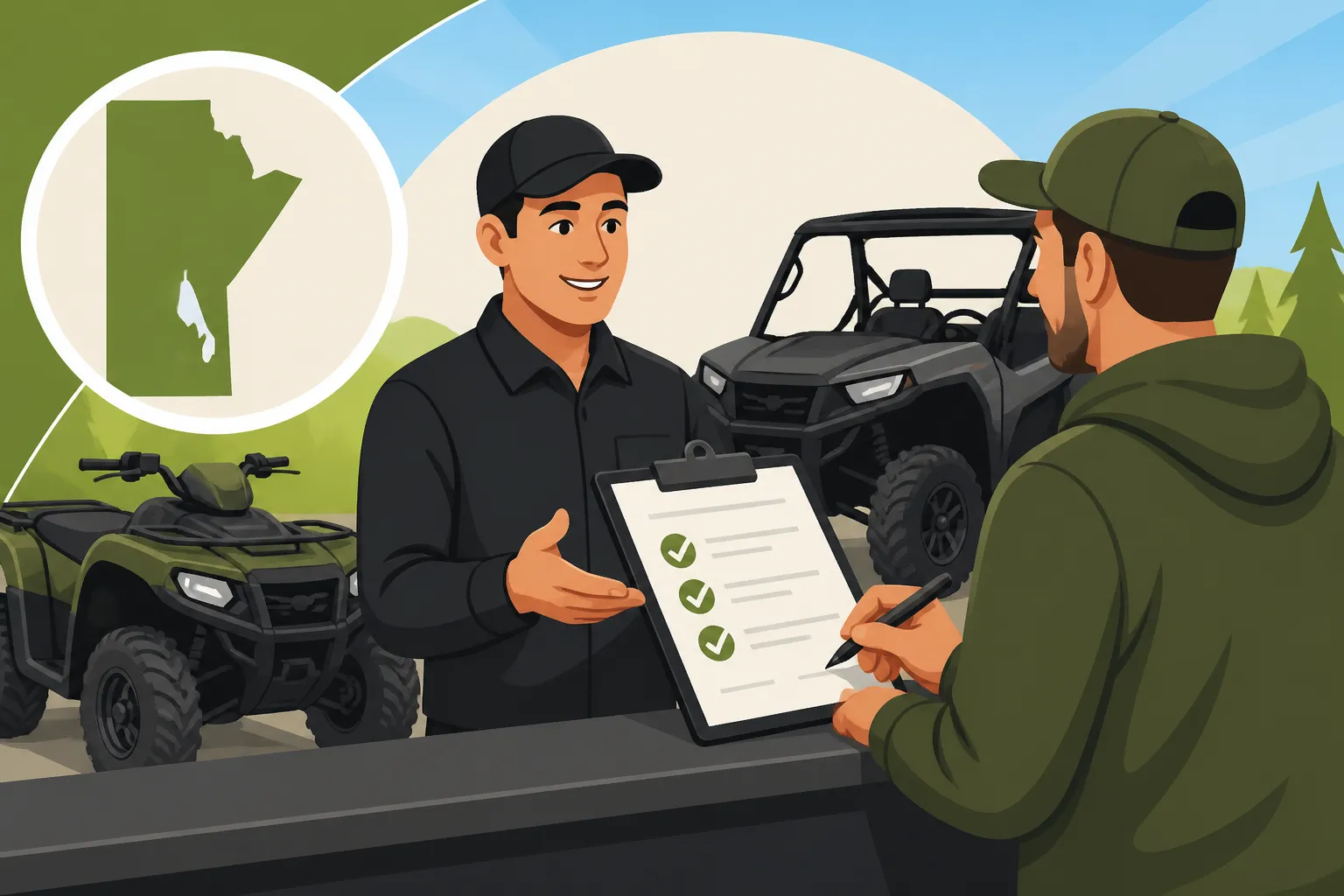
When you walk into a Manitoba dealership, whether it's a big power sports store in Winnipeg or a smaller outfit in Dauphin, and you've finally decided on that perfect side-by-side or ATV, the sales process itself can be pretty straightforward. But then comes the moment of truth: signing on the dotted line and actually taking possession. This is where the paperwork really comes into play, and it's far more than just a simple receipt. Dealers handle a lot of the initial legwork for you, which is a huge convenience, but it also means you need to know what you're getting and why. Don't be shy about asking questions if something isn't clear; a good dealer will take the time to explain everything to your satisfaction.
Think of this stack of documents as your machine's birth certificate, its financial history, and its future care instructions all rolled into one. It's not just bureaucratic fluff; each piece has a specific legal or practical purpose. From proving ownership to ensuring you're properly registered and insured before your first ride, this paperwork is critical. It sets the foundation for your responsible ownership and helps you avoid any nasty surprises down the road, particularly when it comes to taxes or future resale.
Your Bill of Sale and Purchase Agreement
This is arguably the most critical document you'll receive. The bill of sale is the legal proof that you've purchased the ATV or UTV from the dealership. It details the machine's make, model, year, and most importantly, its Vehicle Identification Number (VIN). This number is unique to your machine, much like a fingerprint, and it’s what connects you to this specific piece of equipment. The bill of sale will also list the purchase price, any trade-in value, taxes applied, and any additional fees.
The purchase agreement might be a separate document or integrated into the bill of sale. It outlines the terms and conditions of the sale, including any deposits made, delivery dates, and clauses about cancellations or returns. This document confirms the agreed-upon price and ensures that both you and the dealer are clear on the transaction's specifics. It's wise to review this carefully, checking that the price matches what you negotiated and that any agreed-upon extras, like winches or heated grips, are listed. This is also where you'll see details about financing if you've arranged it through the dealer.
Manufacturer's Statement of Origin (MSO) or Certificate of Origin (COO)
For a brand-new machine, the dealer will provide you with the Manufacturer's Statement of Origin (MSO) or Certificate of Origin (COO). This document proves that the vehicle has been manufactured and is being sold for the first time. It's essentially the vehicle's first title, stating that it has no prior owners. This MSO is vital for registering your machine with Manitoba Public Insurance (MPI), as it's the primary document proving that the vehicle is new and has a clear lineage directly from the manufacturer.
Without an MSO for a new machine, you wouldn't be able to register it, which means you wouldn't be able to legally ride it on public land or designated trails. It contains key information like the manufacturer's name, the model, year, VIN, and engine size. Keep this document safe! If you ever sell the machine privately, especially if it's still relatively new, the next owner will also need this as part of their [Manitoba Transfer of Ownership Rules] process, or at least the registration certificate generated from it.
Understanding the Financial and Registration Documents
Beyond the core purchase agreement, there's a stack of documents related to how you're paying for your new toy and how it will be brought into the official Manitoba registration system. This often includes details about taxes, financing, and the initial steps the dealer takes on your behalf with MPI. Understanding these can prevent surprises on your bank statement or at the Autopac counter. It's all about making sure you're legally compliant and financially protected from day one.
Sales Tax Details (RST and GST)
In Manitoba, you'll pay both Provincial Sales Tax (RST) and Goods and Services Tax (GST) on your ATV or UTV purchase. The dealer will calculate and collect these taxes on behalf of the government. Your bill of sale should clearly break down the amount of RST and GST applied to the net purchase price. Remember, the [Manitoba RST Collected at Registration] might be handled by the dealer if they are processing your initial registration, or by MPI if you go directly.
It's common for dealers to handle the initial registration process, which often includes the collection of these taxes. Make sure you understand how these are applied, especially if you had a trade-in. Often, the RST is calculated on the net price after any trade-in value has been deducted, saving you a bit of tax. However, GST is usually calculated on the full sale price before trade-ins. Confirming these figures on your paperwork ensures there are no miscalculations that could cost you extra money down the line.
Financing Agreements and Lien Records
If you're financing your ATV or UTV through the dealership, you'll sign a separate loan or lease agreement. This is a legally binding contract detailing your repayment schedule, interest rate, term of the loan, and any associated fees. It’s crucial to read this carefully, understanding your monthly payments, the total amount repayable, and any penalties for early repayment. Many new owners are so excited about their machine that they skim these details, but this is where the long-term cost is locked in.
The financing company will often place a lien on your machine, meaning they legally own a portion of it until the loan is fully repaid. This lien will be recorded with MPI, and you won't receive a clear title until it's satisfied. The dealer will typically provide you with copies of all financing paperwork, including the details of the lien. This is important information to keep in a safe place, as you'll need it if you ever decide to sell the machine before the loan is paid off. For larger purchases, some people even seek independent legal advice on such documents, much like they might consult a resource like LawDepot for understanding complex legal templates in other areas of life.
Temporary Registration and Insurance Slips
While the dealer usually initiates the official registration with MPI, it can take a little time for the permanent registration card and plate to be issued. In the interim, they should provide you with a temporary registration slip and proof of insurance. This temporary paperwork allows you to legally operate your ATV or UTV for a limited period, typically seven days, while the official documents are processed. This is essential because you cannot legally operate an off-road vehicle in Manitoba without it being registered and insured.
Make sure you receive these temporary slips before you leave the lot, and understand their expiry date. This grace period is vital, as it allows you to get your machine home and perhaps even enjoy a quick ride while waiting for the permanent plate and registration card. Remember that [You Get Seven Days to Move a Plate] or get your new registration sorted, so these temporary documents are a lifesaver. Without them, you'd be riding illegally, and that's a risk no new owner wants to take.
Important Checks Before You Drive Off the Lot
The excitement of getting your new machine often makes us overlook crucial details. Before you even think about loading your ATV or UTV onto a trailer or driving it home (if permissible), take a moment to carefully review all the paperwork and inspect the machine itself. This final check can save you a lot of grief and extra trips back to the dealership. It’s your last chance to ensure everything is exactly as it should be, both on paper and in person.
Verifying VINs and Machine Details
This might seem obvious, but it's astonishing how often mistakes can happen. Before you sign anything or drive away, physically check that the VIN on all your paperwork (bill of sale, MSO, financing documents) matches the VIN stamped on your actual ATV or UTV. The VIN is usually located on the frame, often near the front suspension or on the lower frame rail. A mismatch here can cause significant problems with registration, insurance, and even future resale. It's a foundational detail that absolutely must be correct.
Also, confirm that the make, model, year, and colour listed on the paperwork accurately reflect the machine you're taking home. While a colour mistake is usually minor, an incorrect model year could impact resale value or even warranty claims down the road. These simple verification steps are your best defence against administrative errors that, while rare, can be a major headache to fix after the fact.
Owner's Manuals and Warranty Information
Your new ATV or UTV should come with a comprehensive owner's manual. This isn't just a thick book of rules; it's packed with crucial information about operating your machine safely, maintenance schedules, troubleshooting tips, and specific features. A dealer should also provide you with all the relevant warranty information from the manufacturer. This will detail what's covered, for how long, and the process for making a warranty claim.
Understanding your warranty coverage is paramount. Does it cover parts, labour, or both? Are there any exclusions or conditions that could void your warranty, such as using non-approved parts or performing maintenance outside of recommended intervals? Sometimes extended warranty options are presented at the point of sale. While a standard bill of sale template may not require it, taking the time to understand such documents is similar to how one might carefully review a contract generated through a platform like LawDepot for other legal needs. Keep these documents together in a safe place, perhaps in your machine's glove box or storage compartment if it has one, for easy reference.
Pre-Delivery Inspection (PDI) Checklist
A reputable dealer performs a pre-delivery inspection (PDI) on every new machine to ensure it's in perfect working order before you take it home. This checklist verifies that everything from fluid levels and tire pressure to lights and brakes has been checked and adjusted. While you might not receive a physical copy of their detailed checklist, you can ask about the PDI process. It reassures you that the machine has been properly prepared and is safe to operate.
This PDI is also where any accessories you purchased, like a winch, plows, or hand guards, would have been installed and tested. Don't hesitate to do a quick visual check yourself: kick the tires, test the lights, start the engine, and listen for any unusual noises. This final inspection ensures that your machine is ready for adventure and that all the components are functioning as they should be, giving you peace of mind as you head out on your first ride.
What Happens After Delivery: Your Next Steps
Taking possession of your new ATV or UTV from the dealer is a significant milestone, but the paperwork journey doesn't necessarily end there. There are still a few important steps you'll need to take, or at least be aware of, to ensure your ownership is fully compliant and hassle-free. This includes securely managing your documents and understanding how your new registration and plate will arrive. The dealer has handled a lot, but the ongoing responsibility is yours.
Storing Your Documents Securely
Once you've left the dealership, you'll have a stack of important papers. It's crucial to organize and store these documents securely. Create a dedicated folder for your ATV or UTV paperwork, including the bill of sale, MSO, financing agreements, warranty information, and insurance details. You'll need access to these for future transactions, warranty claims, or even just for reference. Losing the MSO or original bill of sale can be a major headache if you decide to sell the machine down the road, potentially making it harder to prove ownership or establish value.
While you'll receive a physical registration card and plate (or have the dealer process it for you), remember that [Manitoba Registration Cards Carried at All Times] is a rule you'll need to follow. This means keeping a copy, or ideally the original, of your registration certificate with you whenever you're operating the machine. However, the rest of the critical paperwork should be stored safely at home, not on the machine itself, to protect it from loss or damage while riding.
Receiving Your Official Registration and Plate
As mentioned, dealers often kickstart the registration process for you with MPI. This is a huge convenience! Within a short period after your purchase (usually within the temporary seven-day window), you should receive your official registration certificate and your new Manitoba off-road vehicle plate in the mail, or the dealer will arrange for you to pick it up. Your registration is valid for one year and generally renews with your Autopac policy. Make sure you know where to mount it, for instance, [Manitoba Plates on the Rear of a Quad].
The registration certificate will also show that you've paid the mandatory off-road [Manitoba's Off-Road Trails Fee Explained] that supports trail development and maintenance across the province. If you haven't received your permanent documents within a reasonable timeframe, don't hesitate to follow up with your dealer or contact MPI directly. It's your responsibility to ensure your machine is properly registered, and proactive follow-up can prevent any lapses in legal operation. You can learn more about this through resources like LawDepot for general contract understanding, but for specific registration questions, MPI is your go-to.
Future Considerations: Trade-ins and Private Sales
The paperwork you receive at delivery isn't just for today; it lays the groundwork for all future transactions involving your ATV or UTV. If you eventually decide to trade it in for an upgrade, or sell it privately to another rider, having all your original documents organized and accessible will make the process much smoother. The buyer will need clear proof of ownership, and having a complete record from your purchase simplifies things immensely.
For instance, if you're looking to sell, having a complete chain of ownership, starting with that MSO, will instill confidence in a potential buyer and expedite the transfer process. Without key documents, you might find yourself facing questions about [Manitoba Registration Without a Bill of Sale] from a new buyer, or having to jump through extra hoops to prove the machine's history. Keeping good records from day one simply makes your life easier down the road, whether you're selling outright or considering an upgrade at the dealership.
| Document Type | Purpose | What to Check | Who Provides It |
|---|---|---|---|
| Bill of Sale / Agreement | Proof of purchase, legal transfer of ownership | Correct VIN, agreed price, taxes, trade-in value, seller details | Dealership |
| MSO / COO | Manufacturer's declaration of origin for new machines | Correct VIN, manufacturer details, model, year | Dealership (for new machines) |
| Financing Agreement | Outlines loan terms, interest, payment schedule | Interest rate, payment amount, loan term, lien details | Dealership / Lender |
| Temporary Registration | Interim permit to operate machine while official docs process | Expiry date, correct machine details | Dealership / MPI |
| Warranty Information | Details manufacturer's guarantee and coverage | Coverage period, what's covered/excluded, claim process | Dealership / Manufacturer |
| Owner's Manual | Operational instructions, maintenance schedule, safety guidelines | Matches machine model, included accessories | Manufacturer (via Dealership) |
Disclaimer
This article is for general informational purposes only and does not constitute professional advice. Laws, prices and regulations vary by location and change over time. Consult a qualified professional for guidance on your specific situation.